
Last updated November 17, 2026
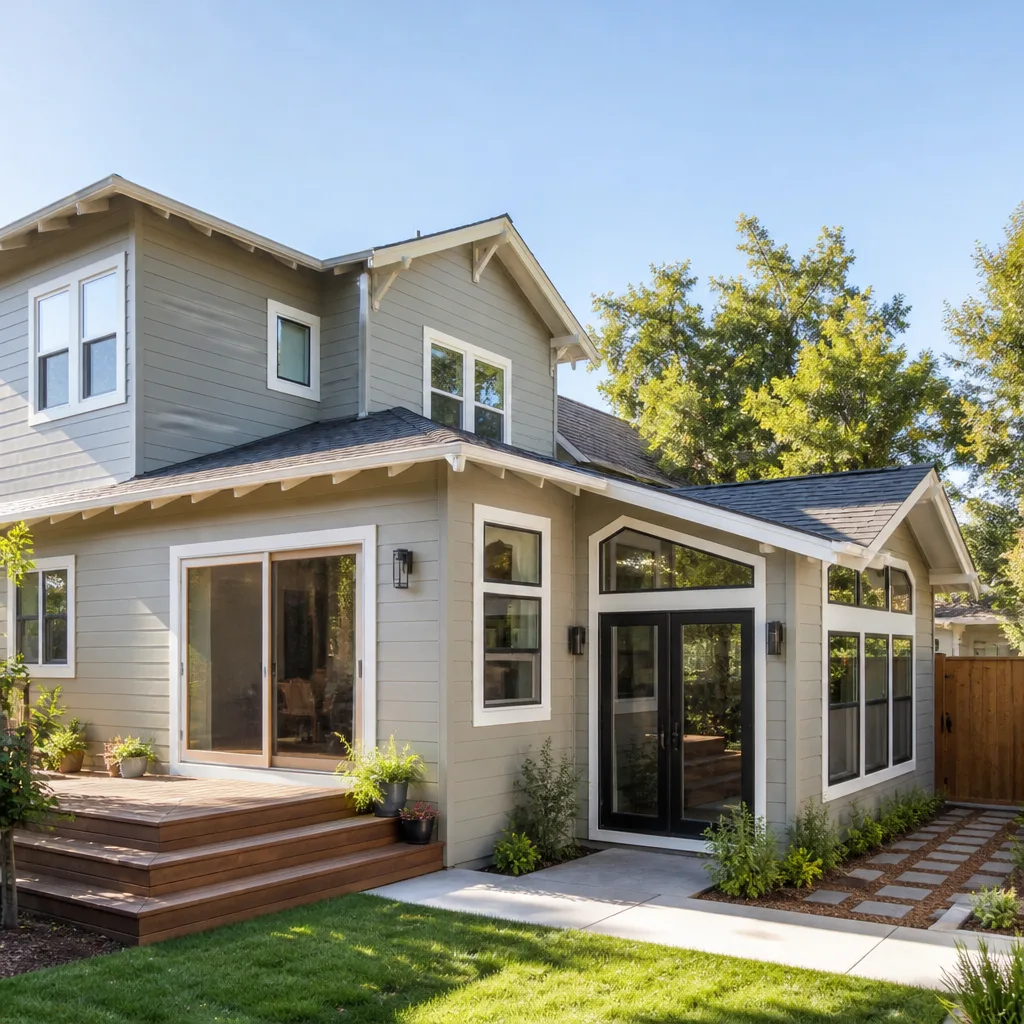 Home additions & ADU
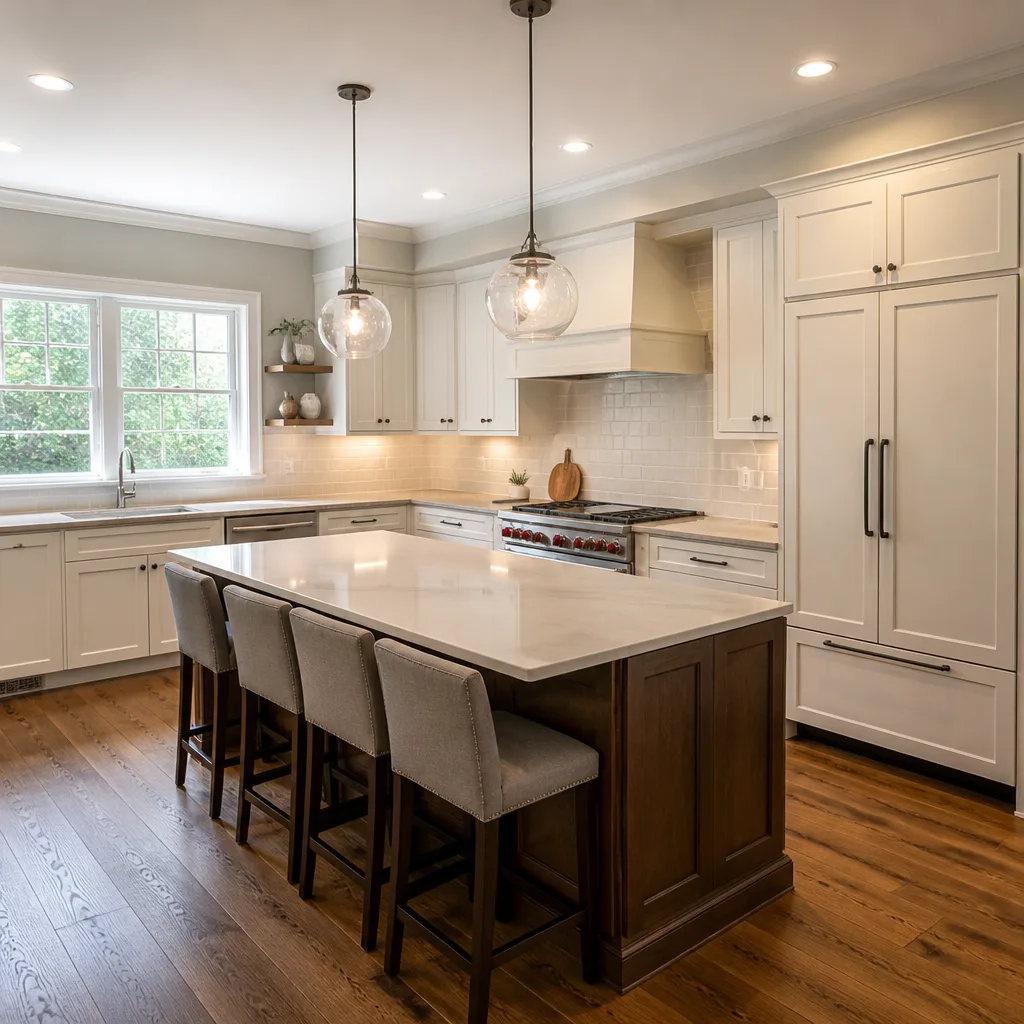 Kitchen remodeling
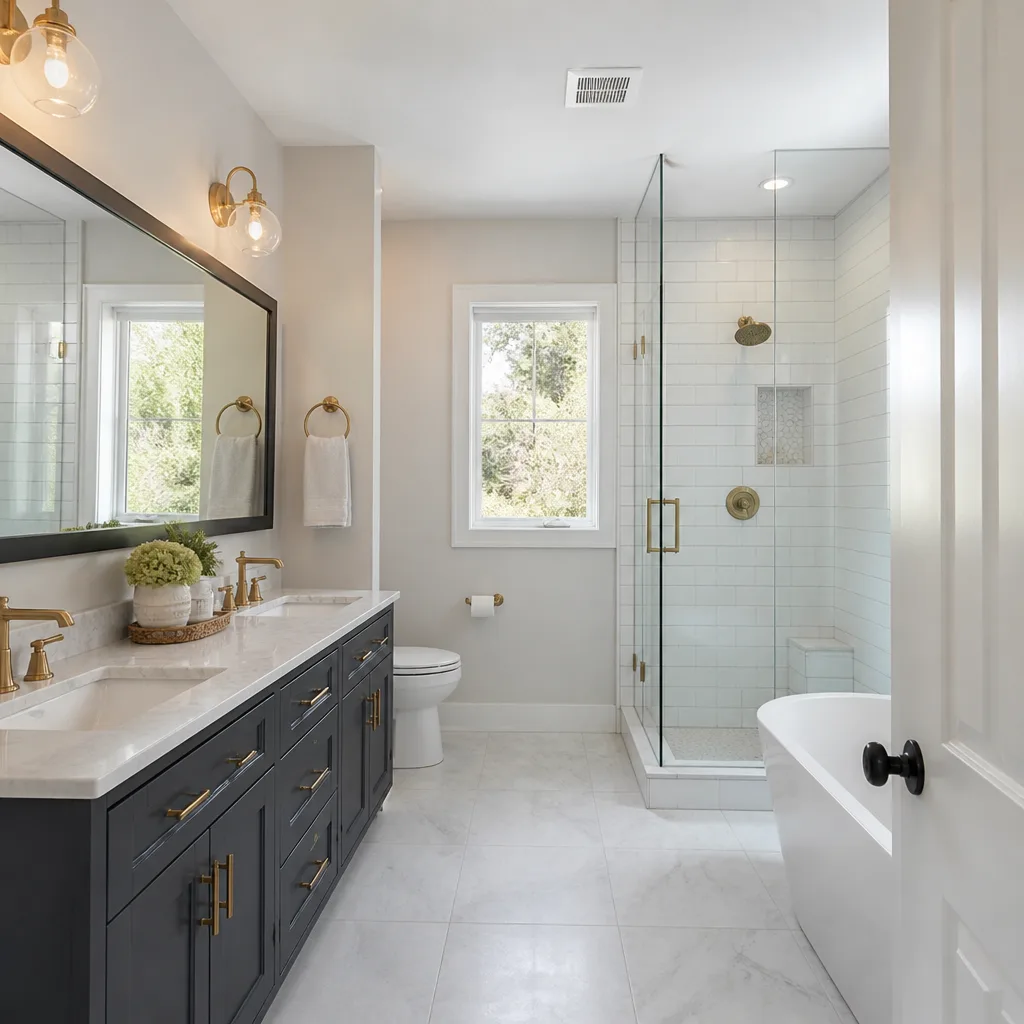 Bathroom remodeling
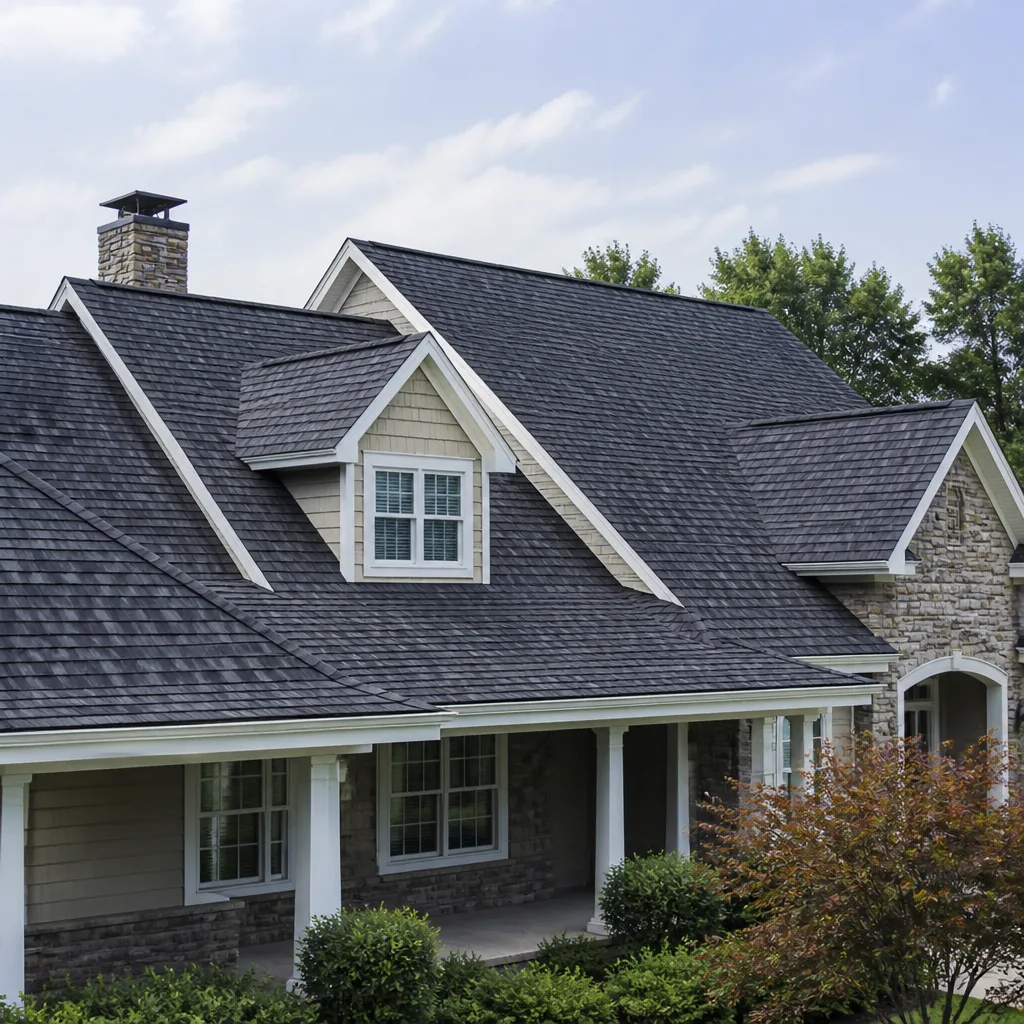 Roofing
 Windows & doors
 Driveway & pavers
 Fence
Free written scope consultation - allowances, timeline, and change-order rules on paper before a single trade is scheduled
Construction Emergency Preparedness Guide for Westchester Homes
Most Westchester homeowners think preparedness ends with a battery stash and a full tank of gas. It doesn’t. The real bottleneck after a storm or a structural failure isn’t finding a contractor, it’s producing the paperwork that lets one start. Wind mitigation reports, material spec sheets, warranty certificates, HOA approvals, and a permit history sit in different drawers, inboxes, and filing cabinets, and every hour spent hunting them is an hour the job waits. This guide builds a pre-emergency file and hardening plan specific to Westchester homes, so that when something happens, the only question left is scheduling.
Quick Answer
Construction emergency preparedness in Westchester comes down to one asset: a single, organized file containing permit history, material specs, warranty certificates, insurance construction endorsements, and HOA approvals, backed by dated photo documentation and a pre-storm hardening routine. If you can hand that file to a contractor and your insurer within an hour, repair authorization typically moves in days instead of weeks. The guide below tells you exactly what goes in the file and how to photograph, verify, and harden your home before the season turns.
Styles & brands we work with
- Kitchen remodeling
- Bathroom remodeling
- Home additions & ADU
- Roofing
- Windows & doors
- Driveway & pavers
- Fence
Table of Contents
- The Five-Document File Every Westchester Homeowner Should Keep
- How to Photograph Your Home’s Exterior for Insurance
- Post-Disaster Contractor Fraud and How to Verify Fast
- Temporary Repair Authorization: What You Can Approve
- Pre-Storm Hardening Checklist for Westchester Homes
- Why Material Specs Decide Your Repair Timeline
- Building the 48-Hour Rebuild Plan
The Five-Document File Every Westchester Homeowner Should Keep
The file is the whole strategy. Everything else in this guide supports it. Five document sets determine how fast any contractor, insurer, or inspector can act on your home, and all five should live in one physical folder with a scanned copy in cloud storage.
- Permit history. Pull the record of every permitted change to the structure: additions, roof replacements, window swaps, electrical work, fencing over the local height threshold. Most Florida municipalities keep this online through their building department portals. Download the closed permit records, not just a screenshot of the search results.
- Material spec sheets. The manufacturer’s published specification for your roofing system, windows, and impact openings. Insurers and inspectors want the product name and code compliance listing, not a receipt.
- Contractor warranty certificates. If your roof was installed with a GAF, CertainTeed, or Owens Corning system, the manufacturer’s warranty registration belongs in the file separate from your contractor’s own workmanship paperwork. Both may be requested after a loss.
- Insurance construction endorsements. The pages of your policy that address dwelling coverage, code-upgrade coverage, and temporary repair allowances. Many homeowners have never read these sections, which is exactly the problem.
- HOA architectural approval records. In Westchester communities with deed restrictions, the written approval for exterior color, fencing type, or roof material can take weeks to re-secure if the file is lost. Keep the approval letter and the approved spec sheet.
Each document set serves a different reviewer. The permit history answers the building department, the spec sheets answer the insurer, the warranties answer the manufacturer, the endorsements answer the adjuster, and the HOA records answer your community association. Missing one stalls the process for the party who needs it.
How to Photograph Your Home’s Exterior for Insurance
Adjusters work from evidence, and the format of that evidence matters more than the volume. A phone full of blurry shots won’t move a claim. A disciplined set of dated, labeled photos taken before any damage exists is what lets you prove condition and value afterward.
- Photograph each elevation separately. Front, rear, left, right. Stand back far enough to capture the whole wall, roofline included.
- Overlap the coverage. For each elevation, take a wide shot and then a series of closer shots that overlap by about a third.
- Capture the four corners of the roof. From ground level where it’s safe, or from a contractor-supplied drone or high-angle vantage. Don’t climb onto a wet or steep roof to get a better frame.
- Photograph openings and attachments. Every window, exterior door, and the garage door, plus the fence line and gate hardware. Include labels or manufacturer marks visible on the frame where you can.
- Photograph the material labels. Roof shingle wrapper, window certification sticker, garage door label. Those labels confirm product identity.
- Add a dated reference. Include a visible date card or the timestamp feature; adjusters discount undated images.
Store the set in a folder named by date. When you update your roof, windows, or fence installation, re-shoot the affected area after completion so the file always reflects current condition. A single pre-season session each year takes about an hour and pays for itself the first time you need it.
Post-Disaster Contractor Fraud and How to Verify Fast
Solicitation after a named storm follows predictable patterns, and knowing them before a storm arrives is the best defense. Homeowners under pressure to act quickly are the primary target, and the pressure itself is the tool.
- Door-to-door solicitation within days of a storm, often by crews with out-of-area plates and no verifiable local registration.
- Cash deposits demanded before any written scope or schedule. A legitimate contractor will put the scope, price, and timeline in writing first.
- Assignment-of-benefits paperwork presented as a simple signature. Read anything labeled AOB or direction to pay before signing.
- Pressure to start immediately, before your insurer inspects. Nothing in the process requires abandoning due diligence.
Verification is straightforward. In Florida, check the contractor’s state license status through the Department of Business and Professional Regulation’s online lookup, confirm the company’s corporate registration with the state Division of Corporations, and call the listed number to confirm the person in your driveway actually works there. Request a certificate of insurance and call the carrier to confirm it’s active. Cover the state-verified license, active insurance, and a written scope in one 15-minute session before signing anything. Contractors who object to that process are telling you what you need to know.
If a project touches multiple trades at once, the same discipline applies. Verify each licensed professional independently, even when a single coordinator handles the build. That layered approach is why we work as Westchester Construction Co with verified professionals across every trade we coordinate, from the driveway to the kitchen.
Temporary Repair Authorization: What You Can Approve
After a loss, the question homeowners ask most is what they’re allowed to authorize without waiting for an adjuster. The answer depends on your policy language, but most Florida homeowners policies distinguish between emergency protective measures and permanent repairs, and it’s worth reading those sections before you need them.
- Typically allowed: tarping over damaged roof areas, board-up of broken windows or doors, water extraction to prevent further damage, and any measure a reasonable person would take to secure the property.
- Typically requires adjuster or insurer notification: permanent repairs, removal of undamaged materials, structural demolition, or replacement of an entire system.
- Voids a claim: unauthorized alterations, discarding damaged materials before inspection, or work that changes scope beyond protective measures.
The critical rule is to keep everything: photographs before and after the temporary measure, receipts, and a written record of what was done and why. Tarping done badly can cause more damage than the original storm, and insurers sometimes decline coverage for poorly executed protective work. When a temporary repair involves heights, structural elements, or the electrical service, it belongs with a professional, not a ladder and a weekend.
If you don’t yet have the file, this is the moment to start it: photographs, proof of ownership for materials, and a written record of the loss. A local adjuster will move faster with a complete package than with a description over the phone.
Pre-Storm Hardening Checklist for Westchester Homes
Hardening is the preventive half of preparedness, and the items below reflect the specific construction patterns of homes in Westchester and the surrounding South Florida neighborhoods. Walk the list before the season opens, not after a storm is named.
Openings
- Verify impact ratings. Check every window and door for the product label and the certification markings on the frame. If the label is missing, a photography session may recover it.
- Doors and windows from a single spec. Exterior doors installed with Therma-Tru or ViewLux systems typically carry spec sheets that belong in your file. Confirm they’re accounted for.
- Garage door bracing. Verify the door has the manufacturer-recommended wind-load bracing for your area. This is the largest opening on most homes and the most common failure point.
Roof and Attachments
- Inspect the roof system. Loose shingles, missing fasteners, and deteriorated sealant at penetrations should be addressed before the season starts.
- Confirm the material identity. Know which manufacturer spec your roof matches; GAF, CertainTeed, and Owens Corning systems have documented wind ratings that insurers recognize.
Fencing and Yard
- Check post integrity and hardware. Fencing from Barrette or Master Halco systems has documented wind ratings and tie-down recommendations. Confirm hardware torque and post anchoring.
- Secure loose material. Loose fence panels, trash cans, and outdoor furniture become projectiles in high wind.
Power and Utilities
- Panel readiness for a generator. Confirm the panel has a proper transfer switch or inlet for a portable or standby generator. Ask a licensed electrician to verify the connection before you need it; this is not a homeowner task.
Why Material Specs Decide Your Repair Timeline
Material specification is the quiet variable that determines whether a repair starts in two days or two weeks. Insurers want the product name and code listing. Inspectors want the installed system to match the permit. Contractors want to know exactly what to order. All three are satisfied by the same document, which is why it belongs in the file.
For a roof, that means the manufacturer’s specification for the shingle system, including wind rating and underlayment. For windows, the certification label that identifies the product and its performance rating. For impact openings, the label and the compliance listing. For engineered stone countertops in a repair scenario, the manufacturer’s specification for the surface, since a full replacement may require matching the existing product.
When you’re choosing materials for a planned project, know what you’re getting. A roof installed with GAF, CertainTeed, or Owens Corning systems, windows installed with PGT or CGI products, and countertops in Cambria or Silestone all generate documents that belong in the same file. You choose the brand; we handle the build. The specifics are the point, because they’re what an insurer, an inspector, and a future contractor will ask for.
If a material is discontinued, the spec sheet is also your argument for a like-for-like replacement rather than the cheaper substitute an adjuster might propose. Most claims disputes on material value turn on documents you either have or don’t.
Building the 48-Hour Rebuild Plan
The 48-hour plan is a simple written document you create in advance, describing what happens in the first two days after a loss. It removes decisions from a moment when you’re least able to make them well.
- Secure the property. Identify who is authorized to tarp or board up, and where the materials come from. Set up a standing arrangement in advance where possible.
- Open the file and call the insurer. Provide the loss date, damage scope, and your policy number. Reference the photo documentation and material spec sheets when asked.
- Confirm scope in writing. Any contractor you engage should provide a written scope before work begins.
- Verify licensing and insurance for every trade involved, as described above.
- Coordinate the sequence of trades. Roof before interior, windows before interior finishes, structural work before cosmetic work. A single coordinator reduces the chance of a sequence error that forces a redo.
- Track every dollar. Receipts, invoices, and written change orders belong in the file, because the final claim closeout depends on complete documentation.
The complexity of a post-storm rebuild is a coordination problem more than a construction problem. A single point of contact across the seven trades involved in a full home repair, from paving and fencing to windows, roofing, and interior reconstruction, is what shortens the timeline. That coordinated capability is what the multi-trade structure behind our home additions & ADU work is built around, and it carries through to repair and rebuild scenarios.
If your rebuild involves a structural change to the footprint, such as a rebuilt garage or a new addition, the pre-emergency planning overlaps with the standard permitting process. Have the permit history and the structural documents ready before you talk to any contractor.
Common Mistakes to Avoid
- Waiting until after the storm to gather documents. The file must exist before it’s needed; building it under pressure costs days.
- Storing materials in separate places. Warranty in the safe, permit online, HOA letter in the office filing cabinet. Consolidate into one physical and one digital copy.
- Signing an assignment-of-benefits without reading the fine print. AOB paperwork transfers control of your claim to the contractor, which is exactly the opposite of keeping control.
- Skipping the annual photo update. A file that reflects the home as it was five or ten years ago is less useful in a claim than a current set.
- Approving permanent repairs without adjuster sign-off. Temporary protective measures are usually allowed; permanent work generally is not until the adjuster has seen the loss.
- Discarding damaged materials before inspection. Keep every removed piece until the adjuster has documented it, or the claim can be declined.
- Failing to confirm a license and active insurance before work starts. A plausible-looking card and a phone that gets answered aren’t verification; a state lookup is.
See the difference
 Before
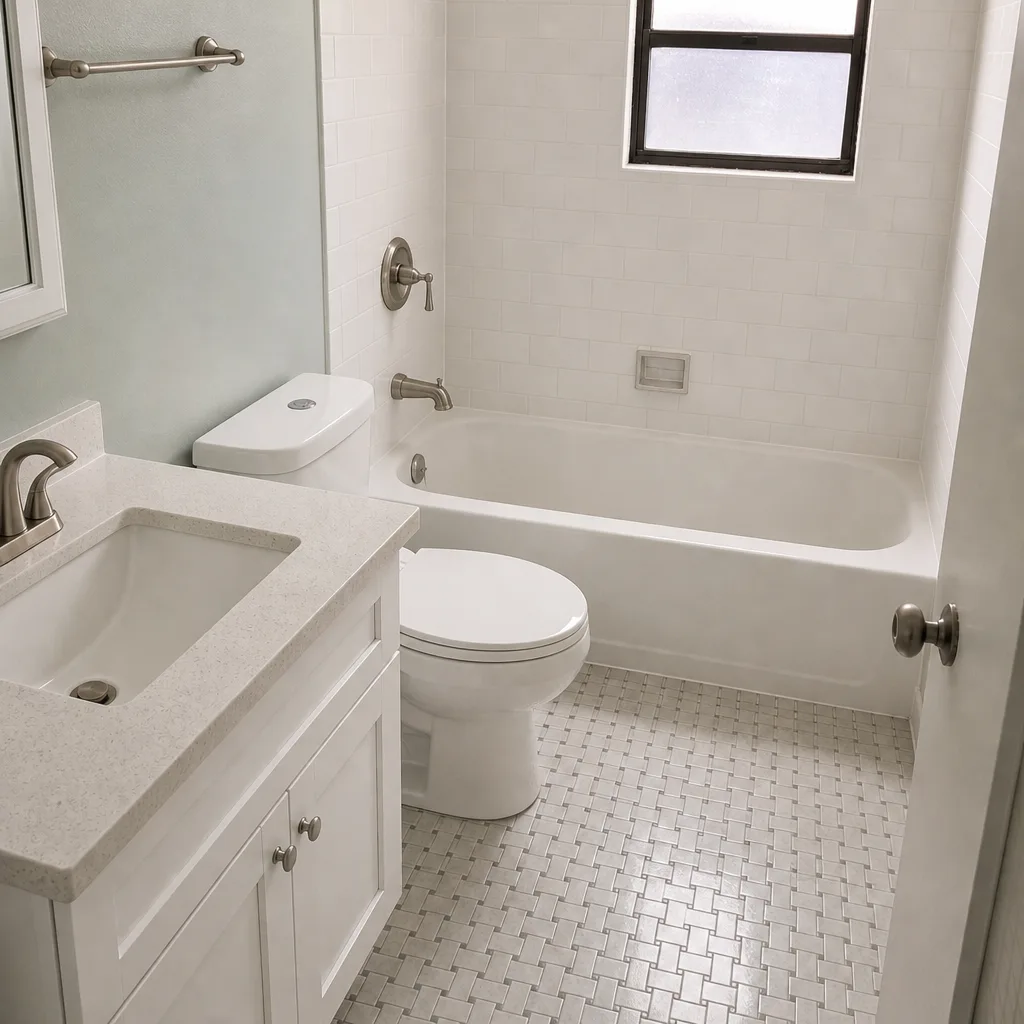 After
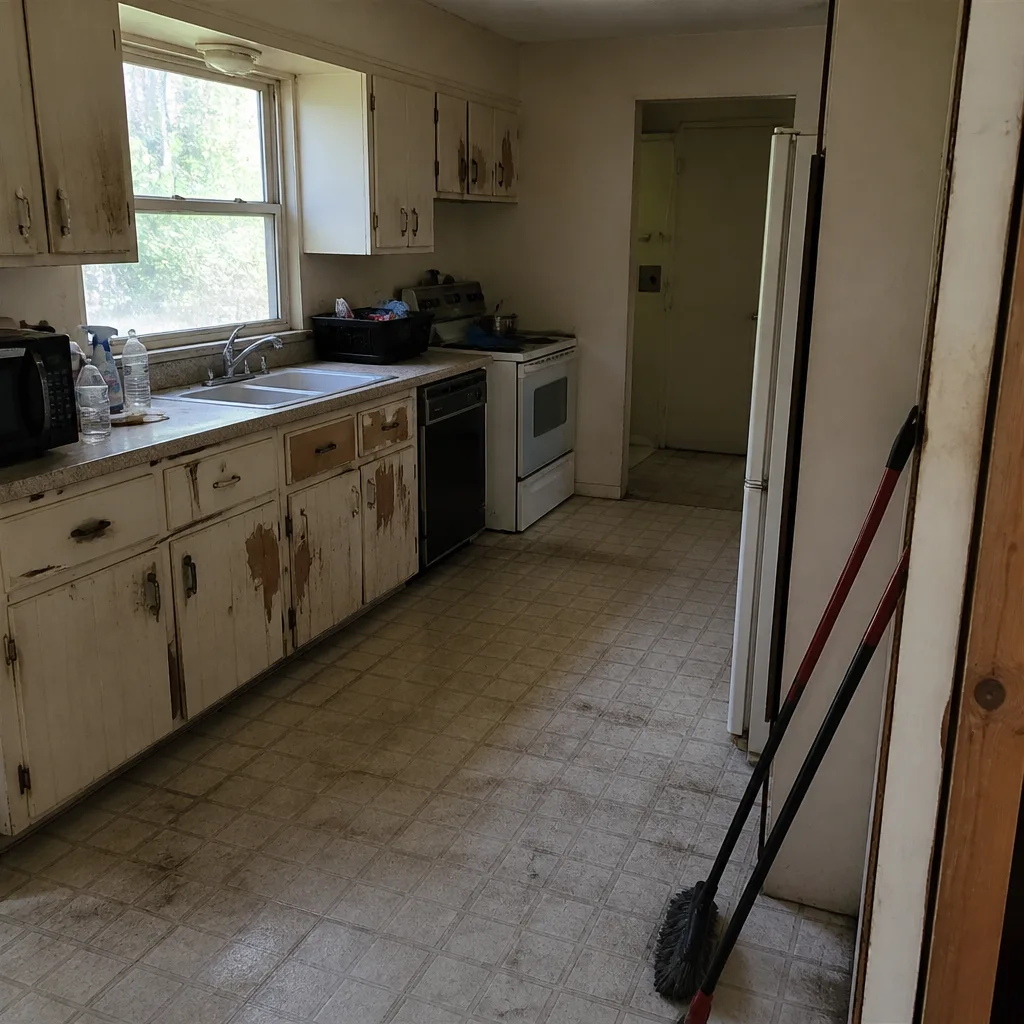 Before
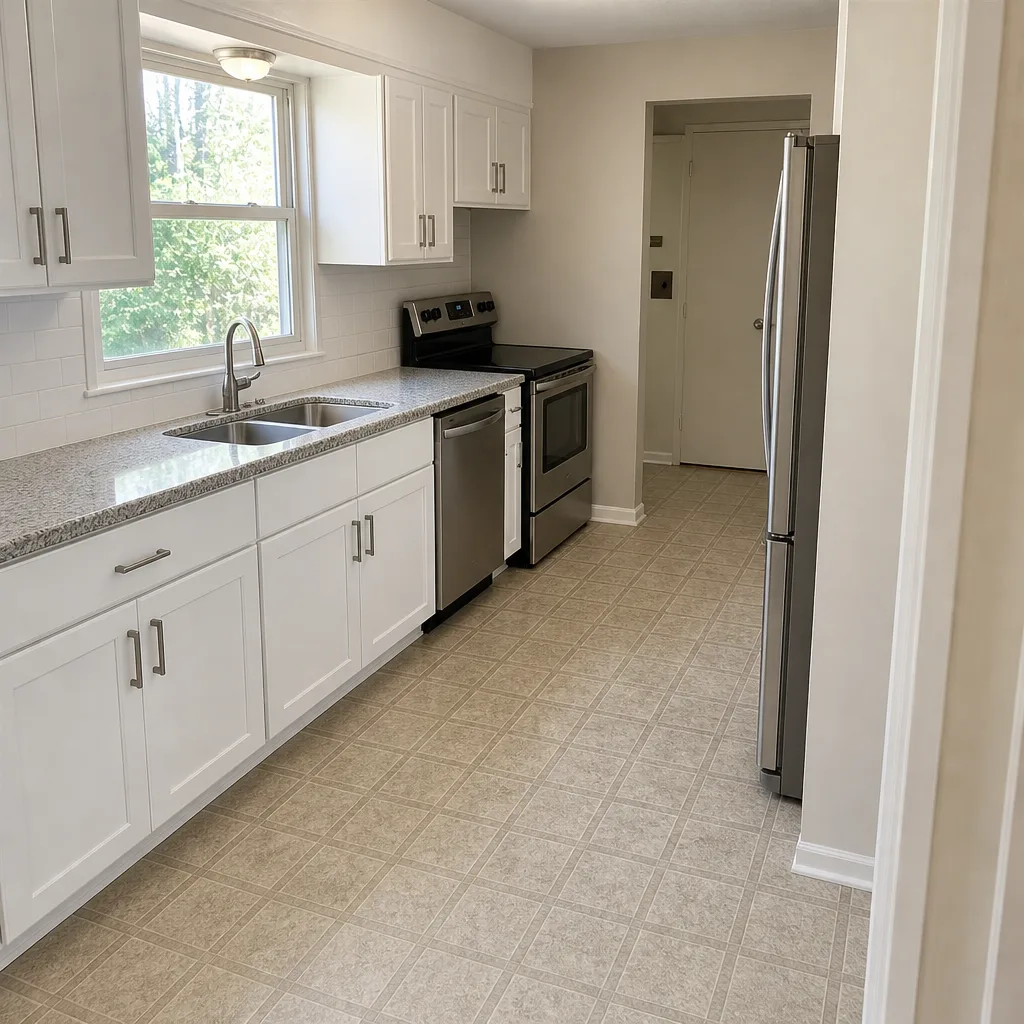 After
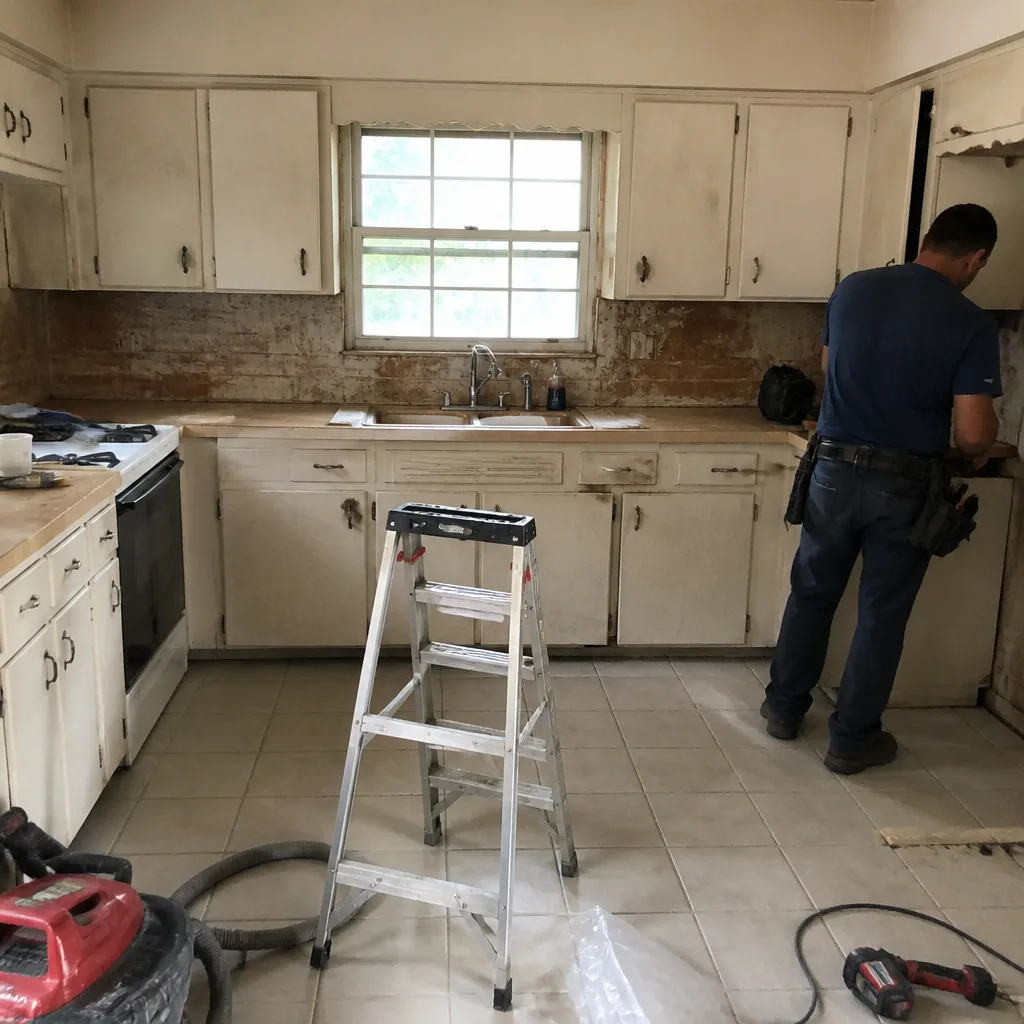 Before
 After
When to Call a Professional
Some items on the hardening checklist are homeowner tasks; most of the important ones are not. Call for any roof work, especially anything involving heights or the structure. Call for window and door replacement, garage door bracing confirmation, and electrical panel verification. Call for fencing that’s failed at the posts or hardware. Call when a loss has occurred and the repair requires a written scope and a schedule you can hand to your insurer. And call when the plan is bigger than a single project: the sequencing of exterior repair, structural work, and interior reconstruction is where a coordinated contractor saves both time and money. Westchester Construction Co offers free estimates in Westchester – call (888) 334-0815. We answer 24/7. Fast dispatch from 7am to 7pm, Sunday through Friday.
Frequently Asked Questions
You need five sets: permit history, material spec sheets, contractor warranty certificates, insurance construction endorsements, and HOA architectural approval records. Keep a physical copy and a scanned copy, and make sure they’re consolidated, not scattered across different drawers.
We don’t quote a single figure because the range is too wide; repairs span a few hundred dollars for a tarped opening to five-figure sums for structural reconstruction. The written estimate from your contractor is the only basis for a real number, and your insurer settles the covered portion. Call (888) 334-0815 for a free estimate.
Roof work involves heights, and it’s the wrong task to attempt without training; falling from a roof or damaging the decking under a poorly fastened tarp can cost far more than the protective measure saves. Insurers typically expect a professional to perform the tarping. Call (888) 334-0815 for help.
You can usually recover them by identifying the product from labels, packaging, or the visible names on window frames and roofing. If the labels are gone, a contractor can often identify the product from photographs. Call (888) 334-0815 and we’ll walk you through what to photograph.
No, provided the scope is fully documented in the written estimate. Post-storm repairs are the one area where scope creep is common; the defense is a fixed scope and a written change procedure. Call (888) 334-0815 to schedule a free estimate.
That depends on the scope, permitting, and the availability of matching materials, which is exactly what the pre-emergency file is designed to protect. A homeowner who has the documents ready typically shortens the front end of the process by a meaningful amount. Call (888) 334-0815 to plan ahead.
The Bottom Line
The best emergency preparedness tool in Westchester isn’t a contractor contact or an emergency kit; it’s a single file of five documents, backed by dated photographs and a hardening routine you’ve actually walked through. Permit history, material specs, warranty certificates, insurance endorsements, and HOA approvals let a professional act in days instead of weeks. Photograph your exterior annually. Read the temporary-repair sections of your policy now, not after a loss. Verify licensing and insurance before signing anything. Harden your openings, garage door, roof, and fence before the season. And when something happens, remember that the estimate is free and the price is set by the written estimate. Call (888) 334-0815. Our technicians have up to 9 years of experience. We answer 24/7. Fast dispatch from 7am to 7pm, Sunday through Friday.
Written by the team at Westchester Construction Co.