
Last updated November 17, 2026
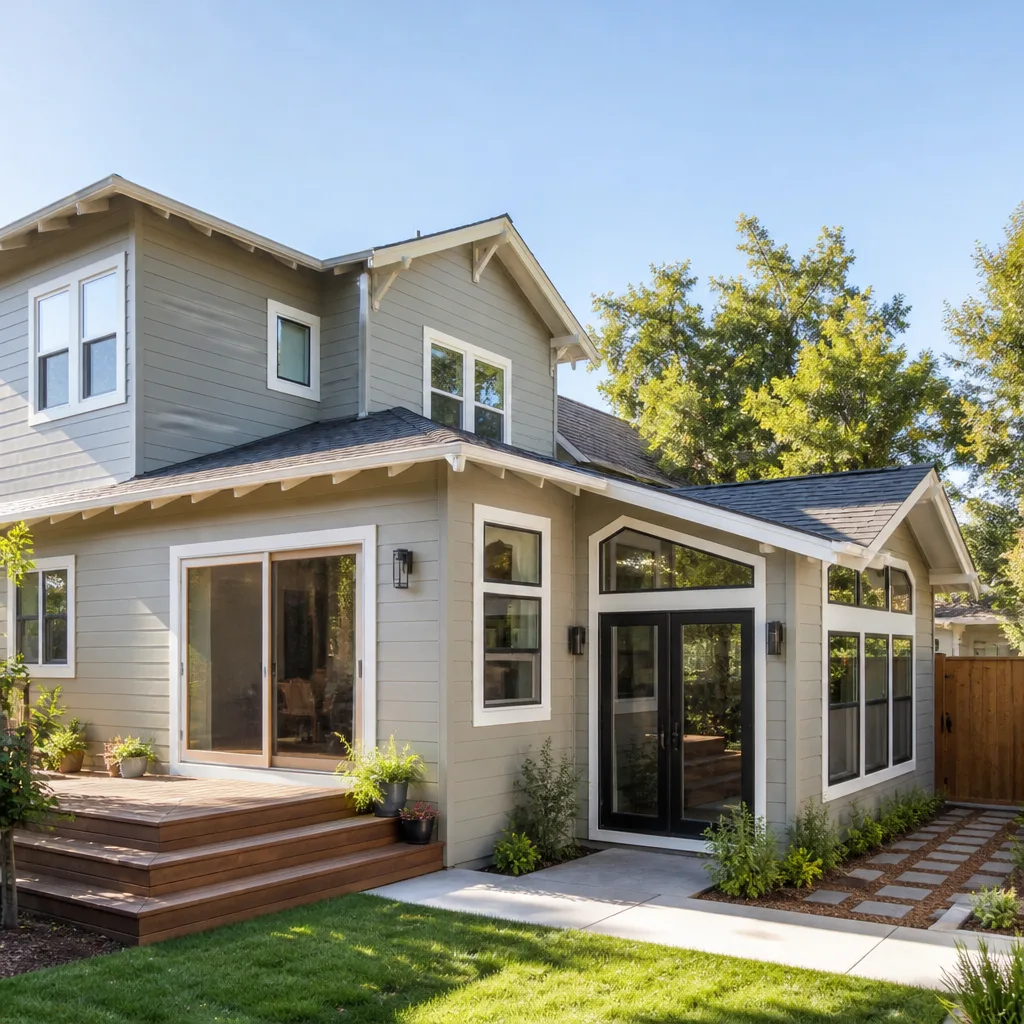 Home additions & ADU
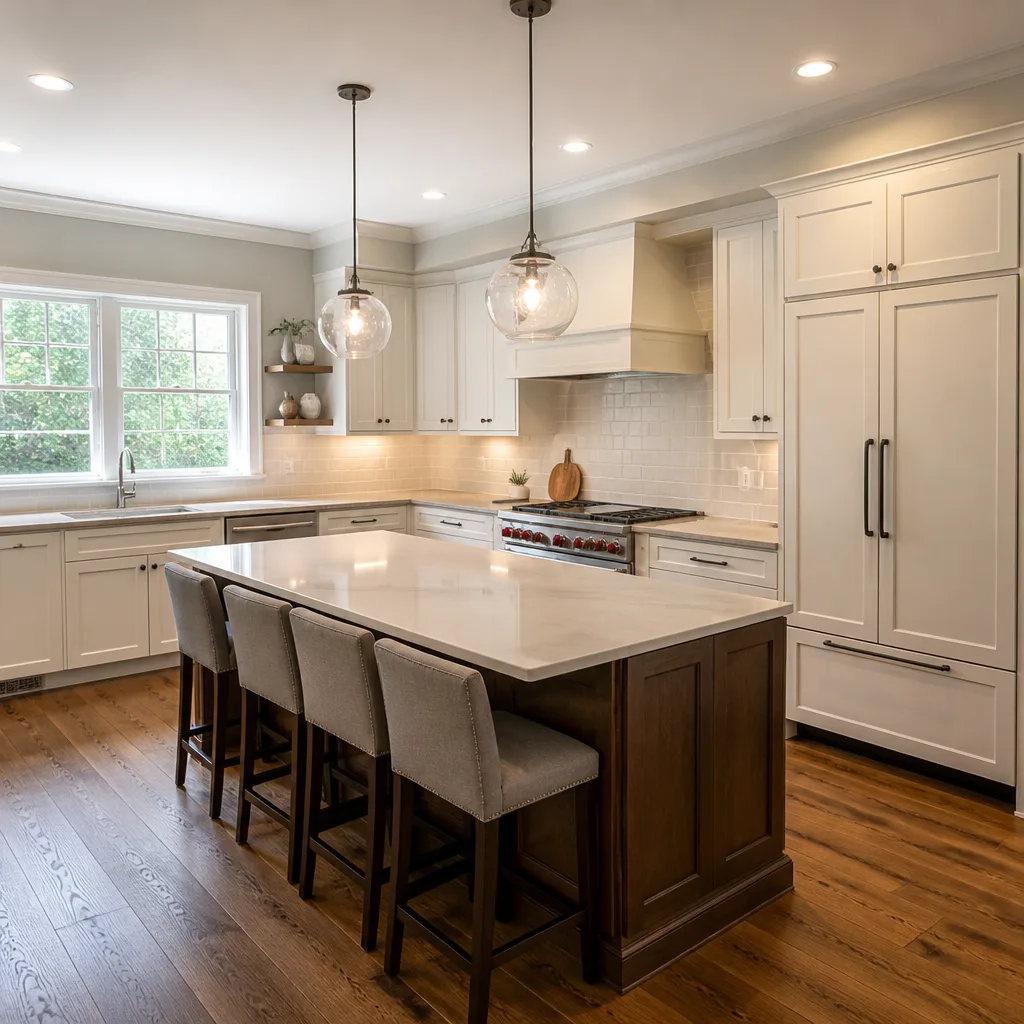 Kitchen remodeling
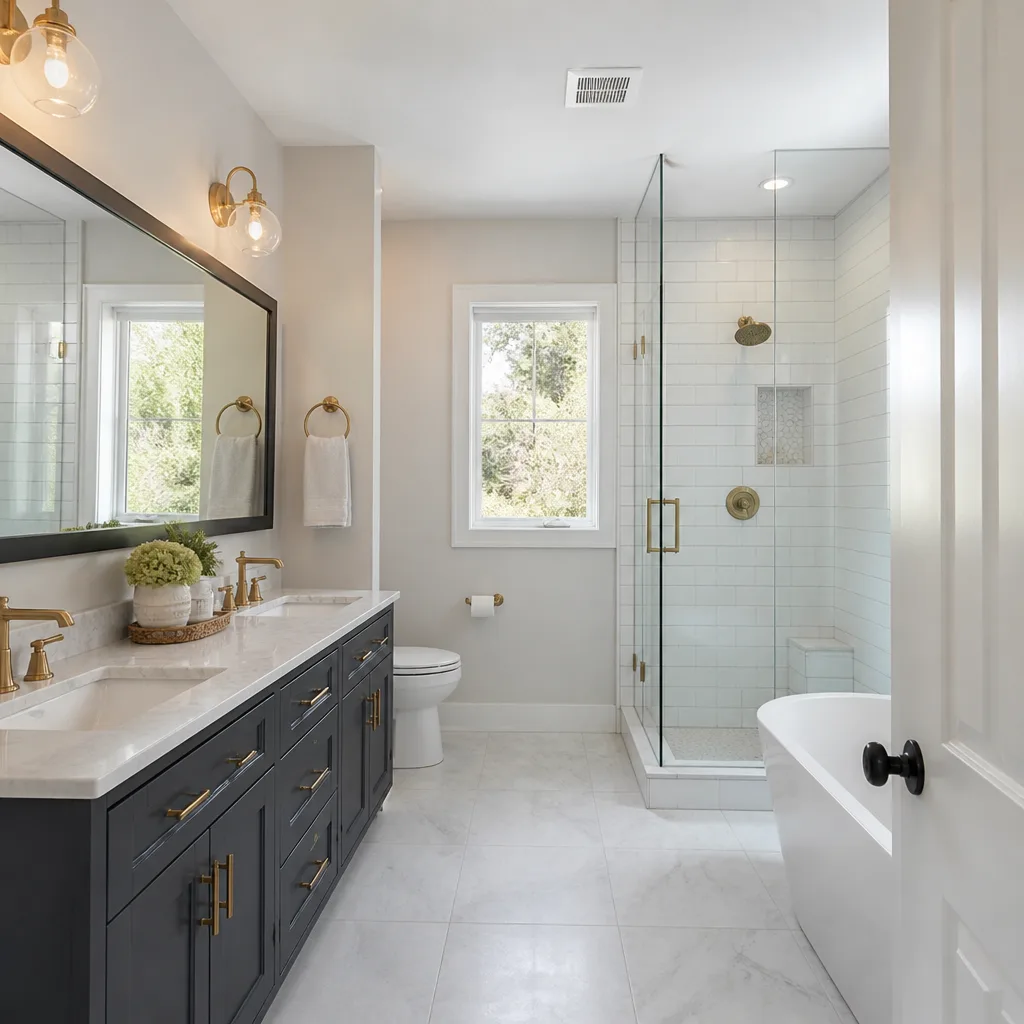 Bathroom remodeling
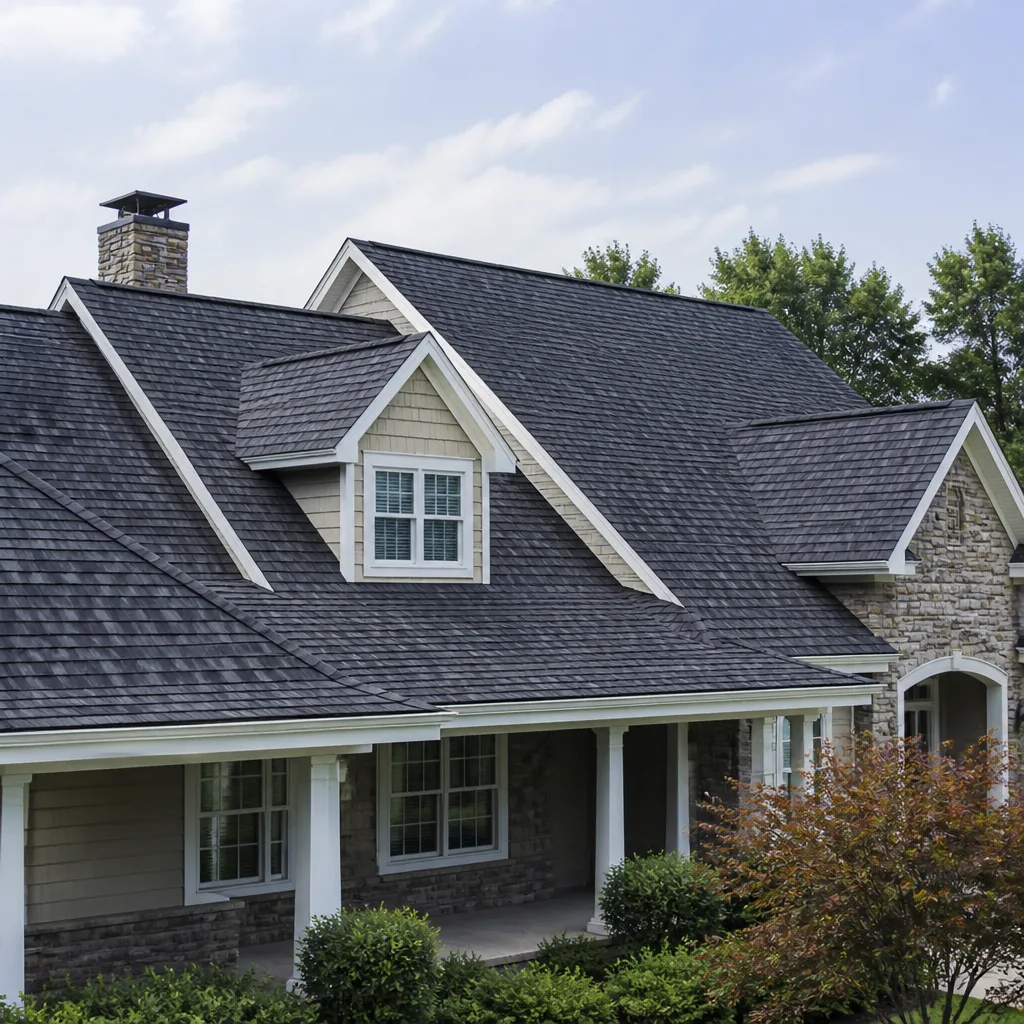 Roofing
 Windows & doors
 Driveway & pavers
 Fence
Free written scope consultation - allowances, timeline, and change-order rules on paper before a single trade is scheduled
DIY vs Professional Construction: The Westchester Homeowner’s Decision Guide
Most homeowners in Westchester start the DIY-versus-professional debate in the wrong place. They ask whether they have the skill. The better question is what Florida law actually lets a homeowner self-perform, and what happens to a house later when that line gets crossed. Plenty of able people can hang drywall or lay a paver path. Far fewer understand that pulling your own permit as an owner-builder attaches a disclosure to your property, changes how a buyer’s lender treats the work, and can complicate a sale. In this guide we walk through the state rules, the projects where DIY genuinely pays off in Westchester’s mild, storm-season climate, the ones where it usually backfires, and how to use a hybrid approach that keeps costs down without voiding a permit.
Quick Answer
In Westchester, DIY makes sense for cosmetic and low-risk work that doesn’t require a permit: interior painting, landscaping, and light hardscape below your local permit threshold. Anything structural, electrical, plumbing, roofing, or gas-related requires a licensed contractor under Florida law, and the Owner-Builder exemption that lets you pull your own permit comes with a one-year resale restriction and real resale and insurance consequences. The honest answer is that the decision is legal and financial before it is ever about skill.
Styles & brands we work with
- Kitchen remodeling
- Bathroom remodeling
- Home additions & ADU
- Roofing
- Windows & doors
- Driveway & pavers
- Fence
Table of Contents
- What Florida’s Owner-Builder Exemption Actually Allows
- Which Projects Florida Law Reserves for Licensed Contractors
- The Real Cost of DIY in Westchester
- Where DIY Works in Westchester: Highest Success Rates
- Where DIY Fails: Stucco, Roofs, and Structural Work
- How Home Inspectors Read DIY Work
- The Hybrid Model: Reducing Costs Legally
- How to Vet a Contractor When You Do Hire
What Florida’s Owner-Builder Exemption Actually Allows
Florida’s Owner-Builder exemption lets a homeowner pull a building permit for work on their own primary residence without holding a contractor’s license. It sounds generous, and in a narrow sense it is. But the exemption comes with conditions most homeowners never read closely, and those conditions are where the real decision gets made.
The core requirement is that the homeowner must personally occupy the home, and the property cannot be sold for at least one year from the date the permit is issued. The owner-builder signs a disclosure acknowledging this. It’s not a formality. It goes into the permit record, and it follows the property. A buyer’s agent reviewing permits will see that disclosure and know exactly what it means: the homeowner, not a licensed contractor, built the work.
Westchester Construction Co. has walked enough closings and pre-listing inspections to know how often this trips people up. A homeowner finishes a permitted addition or a permitted garage conversion, decides to sell eighteen months later expecting clean paperwork, and finds that the owner-builder disclosure creates friction. The buyer’s lender may require a re-inspection and re-certification of the work before the loan clears. Sometimes it goes smoothly. Sometimes it delays or kills the deal.
Here’s the practical breakdown of what the exemption does and does not cover:
- It allows: a homeowner to act as their own contractor on permitted work for their own homestead, doing the physical work or hiring subcontractors directly.
- It does not allow: doing that same work on a rental, a second home, or a property you plan to sell within the year.
- It does not exempt the homeowner from meeting code, passing inspections, or using licensed trades where Florida law requires them (more on that below).
- It does not stop an insurer or a lender from treating owner-built work differently when you sell or when you file a claim.
The Owner-Builder exemption is real, but it’s a legal tool with a tax on future flexibility. If you’re staying in the home for many years and the work is modest, it can work. If you may sell or refinance sooner, understand what you’re signing before you sign it.
Which Projects Florida Law Reserves for Licensed Contractors
Florida divides construction work into categories, and some of them are off-limits to homeowners regardless of skill. The line isn’t about how handy you are. It’s about what kind of license the state requires for that scope of work.
Structural, electrical, plumbing, mechanical (HVAC), and roofing work fall under licensing rules that generally require a licensed contractor, even when a homeowner pulls the overall permit. You can act as your own general contractor, but the individual trades doing certain work on your project still need to hold the right license. A homeowner who wires their own addition or re-routes their own gas line is doing work outside what the law allows, and no amount of YouTube confidence changes that.
A rough map of the landscape:
- Structural work (adding walls, beams, foundations, second stories): licensed contractor territory. This is where Westchester Construction Co’s home additions & ADU work lives, and it’s the category where owner-built mistakes are costliest.
- Roofing: licensed roofing contractor. Even a “small” flat-roof repair involves membrane layering, slope, and flashing details that inspectors scrutinize.
- Electrical, plumbing, gas, HVAC: licensed specialty trades. Homeowners cannot legally perform this work themselves in most residential contexts.
- Exterior paving and driveways: often permitted above a certain square footage or when tied to drainage. Below local thresholds, hardscape can fall to the homeowner, but drainage and grade corrections usually can’t.
- Fencing: often no permit required, but height limits, setback rules, and HOA rules still apply, and fence posts set in the ground carry their own wind-load considerations.
What this means for a Westchester homeowner is straightforward. The DIY-versus-pro decision isn’t one big choice. It’s a category-by-category legal question. Some projects are yours to take on. Others carry a licensing requirement no amount of weekend labor can satisfy.
The Real Cost of DIY in Westchester
The typical DIY cost calculation compares the contractor’s quote to the price of materials at a home center. That comparison misses most of what actually happens. Here’s what the spreadsheet usually leaves out.
- Material pricing. Contractors buy at trade pricing that isn’t available at retail. When you buy Cambria or Silestone slab, GAF roofing shingles, or Belgard pavers as a retail customer, you’re paying full counter price. The gap between retail and trade pricing can absorb a meaningful chunk of the “savings” you thought you were capturing.
- Permit revisions. Homeowner-filed applications draw more back-and-forth in review because the plans and details often aren’t assembled to the standard a plan reviewer expects. Every revision cycle costs time and sometimes resubmission fees.
- Re-inspection fees. Failing an inspection means paying for another one in many jurisdictions. DIY work that fails twice can wipe out the difference between DIY and a pro on a modest job.
- Resale friction. Owner-built permitted work shows up in the permit record. When a buyer’s lender requires re-certification, that cost lands on you, and it lands at the least convenient moment.
- Insurance. Insurers can ask about the age and provenance of major systems like the roof. Work without permits, or owner-built work that doesn’t clear inspection records, can complicate underwriting. So can anything that suggests unpermitted alterations.
None of this means DIY is always wrong. It means the math usually has a hidden second column. In our experience at Westchester Construction Co, the projects where DIY genuinely saves real money are the ones with low material markup and no permitting burden, like painting and basic landscaping. The projects where the cost column flips are the ones with structural, roofing, or plumbing scope, and those are precisely the projects where a homeowner can’t legally do the work anyway.
| Project Type | DIY Viability | Main Risk |
|---|---|---|
| Interior painting | High | Prep quality; no permit needed |
| Landscaping and light hardscape | Moderate to high | Drainage and grade errors |
| Fence installation | Moderate | Depth, alignment, HOA and setback rules |
| Driveway and pavers | Low to moderate | Base compaction, drainage, permit thresholds |
| Stucco repair | Low | Matching texture and curing |
| Roof repair or replacement | Very low | Licensing, membrane, flashing, wind resistance |
| Bathroom or kitchen remodel | Very low | Licensing on plumbing and electrical; permits |
| Additions and ADUs | Not permitted without license | Structural, permitting, inspection failure |
Where DIY Works in Westchester: Highest Success Rates
The projects that go well for Westchester homeowners who do them themselves share three traits: they’re cosmetic, they don’t need a permit, and mistakes are cheap to correct. Our mild winters and abundant sunshine help here. Paint cures predictably, exterior surfaces don’t get the freeze-thaw battering they do up north, and landscaping holds up without deep frost protection. That makes a handful of projects genuinely friendly to a confident homeowner.
- Interior painting. Prep is 80 percent of the job. Sand, tape, prime, and paint in slow, even coats. Save the ceiling for last and don’t oversaturate the roller.
- Exterior painting on stucco and trim. Westchester’s sun is the real enemy, not moisture. Use a quality exterior acrylic and don’t paint in direct heat above 85 degrees. Any cracks in the stucco should be patched and allowed to cure before painting, and that’s the catch: any real stucco repair is not a DIY project.
- Landscaping and mulch work. Plant, mulch, edge. No permit. Low risk. Quick win.
- Light hardscape below the permit threshold. A small paver patio or garden path is doable. Materials like Quikrete or Sakrete are available at retail and mix consistently. But drainage, grading, and base compaction are where DIY patios fail: if water pools against the house, you’ve made a problem.
- Cabinet hardware, paint, and small built-ins. Cosmetic upgrades to a kitchen or bath that don’t touch plumbing or electrical are generally homeowner-legal and high-satisfaction.
- Fence installation on a private lot, below height thresholds. Barrette and ActiveYards offer homeowner-friendly systems. The catch is depth and alignment. Plan for a good post-hole digger and a string line, and check HOA rules before you buy materials.
Notice what all of these have in common: no permit, no licensed trade, no structural work, and the material costs aren’t dominated by brand-name markup. That’s the sweet spot for DIY in Westchester.
Where DIY Fails: Stucco, Roofs, and Structural Work
The projects that go badly for DIY homeowners in Westchester tend to involve three things: a licensed trade, an inspector, and a material that punishes shortcuts. Stucco repair tops the list. So do flat-roof repairs, bathroom remodels with plumbing relocation, and anything structural. Here’s why.
Stucco in Westchester is applied in layers, and matching an existing finish requires understanding the base coat, the brown coat, and the finish coat, plus the texture applied while the surface is still workable. A homeowner can patch a hairline crack. A homeowner cannot reasonably match an existing stucco texture over a larger area without experience. The result is a visible patch that looks obvious in photos, and inspectors and buyers notice. On a multi-wall repair, an experienced crew installs it as a single coordinated finish so the texture reads consistently across the house.
Roof repair is a similar story. Even a “small” flat-roof patch involves understanding the membrane system, the slope, the fasteners, and the transition details at parapet walls and drains. Florida roofing requires a licensed contractor. A homeowner who patches a leak without addressing the underlying drain or slope makes the problem worse and delays proper diagnosis. If you’re considering a full replacement versus a patch, our guide to roof replacement walks through how a licensed crew evaluates a roof and what triggers replacement. Storm damage from hurricane season is common enough that insurers also want to see the craftsmanship on record.
Bathroom and kitchen remodels get complicated quickly once plumbing or electrical moves. Most vanity swaps and cosmetic upgrades are fine. Moving a shower drain, adding a GFCI circuit, adding a new range hood, or altering a gas line are the category of work where the energy goes from DIY to professional. That’s why we handle these as full-scope projects through bathroom remodeling and kitchen remodeling with licensed trades on the job. The surface choices, like Cambria, Silestone, or Caesarstone countertops, are the visible part. The plumbing and electrical rough-in behind the walls is what an inspector is really checking.
Additions and ADUs are in a category of their own. These are structural builds with permit-level complexity. That’s why prefab systems like Abodu exist: they package structural engineering and permitting documentation as part of the product so the build meets code without reinventing the plan. Even so, the site work, foundation, and utility connections are licensed contractor territory. Westchester Construction Co treats additions and ADUs as structural-grade capability, not as remodeling with an extra room attached, and we walk every homeowner through why a self-built ADU on a homestead is a rare case where the Owner-Builder exemption sounds temptingly helpful but almost always ends up costing more than it saves.
How Home Inspectors Read DIY Work
Home inspectors use specific language when they suspect unpermitted or owner-built work. Understanding it before you do the work is worth more than most homeowners realize. When you sell or refinance, this is the language that shows up in the report that goes to your buyer.
Common phrases that signal concern include:
- “Evidence of alterations without visible permits.” This is the phrase that triggers a buyer’s request for documentation.
- “Unable to verify permit history for [system/work].” Inspectors don’t always pull permits. When they can’t, they note it, and the buyer’s agent asks you to produce them.
- “Non-standard installation observed at [component].” This is the language that flags work that looks like a homeowner did it, such as a deck ledger attached with the wrong fasteners or an electrical panel with a non-listed breaker.
- “Recommend evaluation by a licensed [trade] contractor.” This is a request for a professional opinion, and buyers use it to negotiate.
- “Owner-builder permit noted at [permit number].” If the permit record shows owner-builder, this is the phraseology that follows the work.
An inspector’s job isn’t to catch you. It’s to describe what they see. But those descriptions become negotiation leverage and lending conditions. A couple of bullet points in a report can become a five-figure credit request at closing. And here’s the honest part: the reports that read cleanly are the ones where permits and inspections were completed by licensed trades. Westchester Construction Co sees this pattern over and over. Clean paperwork is not a coincidence. It’s a byproduct of doing the work through the right channels in the first place.
The Hybrid Model: Reducing Costs Legally
You don’t have to choose between “do everything” and “hire everything.” There’s a middle path, and it’s the one we recommend most often for homeowners who want to save real money without putting a permit or a resale in jeopardy. The key is doing the work that legitimately falls outside the contractor’s scope and doing it well, so it doesn’t become rework.
On a permitted project, the homeowner can often take on:
- Demolition. Removing old cabinets, tearing out tile, ripping up carpet, and hauling debris is labor-intensive and doesn’t require a license. Homeowners save real money here, and a contractor will often credit the demo out of the labor line.
- Site prep. Clearing the work area, protecting floors, removing yard waste, and staging materials ahead of a driveway or paver install are all homeowner-legal and reduce labor hours.
- Cleanup and final touches. Post-job sweeping, washing, and finishing touches on paint or hardware are yours to do at no risk to the permit.
- Material selection and purchase decisions. Choosing a specific tile, countertop, or cabinet line and having it staged on-site saves the contractor’s time in sourcing. Homeowners who pick materials early and buy through the contractor’s account often land the best pricing. When you work with Westchester Construction Co, brand choices like Cambria, Silestone, Caesarstone, KraftMaid, or Wellborn are yours to specify, and the contractor installs to plan.
- Furniture and finish moves. Emptying rooms, moving furniture to storage, and clearing closets for a bathroom or kitchen project is meaningful labor that the homeowner can absorb.
What you cannot do under the hybrid model is perform licensed trades or perform structural work even if the permit is pulled. That’s the line. Homeowners who understand it and stay on the right side of it genuinely save money. Homeowners who cross it end up paying for rework, failing inspections, and dealing with resale consequences.
Our fence installation projects are a good example of a hybrid-friendly scope, and our driveway & pavers installs come together fastest when the homeowner handles prep and cleanup. Both let you take on labor without touching what requires a license. For a broader look at how we coordinate a project like this across an entire property, Westchester Construction Co. covers the range of work we do, from the driveway to the kitchen, under one contractor and one point of accountability.
How to Vet a Contractor When You Do Hire
The flip side of the DIY decision is knowing how to hire well when the answer is professional. The homeowners we see get the best outcomes have a short, specific list of questions before signing anything. None of them are about price alone. Here’s what to ask and what a good answer looks like.
- “Are you licensed for this scope in Florida?” Get the license type and the number. A general contractor, a roofing contractor, and a plumbing contractor are different credentials.
- “Who pulls the permit?” It should be the contractor, not you. A contractor who asks you to pull the permit under the Owner-Builder exemption is shifting their legal obligation onto you.
- “What brands do you install and can I choose?” You should hear names you recognize from the trades. Roofing is GAF, CertainTeed, or Owens Corning. Cabinets are KraftMaid or Wellborn. Surfaces are Cambria, Silestone, or Caesarstone. Windows are PGT, CGI, or ECO. If you get a take-it-or-leave-it single brand, that’s a signal.
- “Will you handle inspections, and how many are included?” Every phase that requires inspection should have one scheduled. Ask whether the contractor absorbs re-inspection fees on their own workmanship. Good contractors do.
- “Can you give me a written, line-item scope?” A lump-sum quote hides the scope gaps that cause change orders. A line-item scope makes what’s included and what isn’t obvious.
- “How do you handle a scope change or an inspection failure?” A good contractor describes their process, not a blank stare. The right answer involves a written change order and a plan to correct.
Westchester Construction Co. handles work across seven distinct categories, so a homeowner managing a multi-step project can coordinate once instead of juggling vendors. That single point of accountability is often what makes a hybrid or fully professional build go smoothly. When we say “one contractor, every trade,” that’s what we mean. Our technicians have up to 9 years of experience, and we can work with your insurer on storm-related projects where coverage matters.
Common Mistakes to Avoid
Most of the costly mistakes we see in Westchester share a pattern: they look like small decisions at the time and land as expensive consequences later. Here are the ones worth flagging before you start.
- Signing the Owner-Builder disclosure without reading the resale clause. It commits you to staying in the home for at least a year from permit issuance. If you plan to sell, refinance, or rent within that window, the disclosure can turn into a real problem at closing. Read it before you sign it.
- Assuming “no permit required” means “no rules apply.” Fences still have height limits and setbacks. Pavers still have drainage rules. Every Westchester property has HOA rules that operate alongside city code. None of those go away because you didn’t pull a permit.
- Buying material before confirming the spec. A homeowner who buys tile or a fixture before confirming the plumber’s rough-in dimensions often ends up re-buying it. Get the spec approved first, then buy.
- Patio labor without a plan for storm season. Westchester’s hurricane season exposes every poor compaction job and every improper drainage detail. A patio that drains toward the house during heavy summer rain can undermine a slab or a foundation. If you’re doing it yourself, get the grade right before you lay the first paver.
- Trying to patch a flat roof. This is one of the most common DIY mistakes in Westchester and the most expensive to correct after the fact. A leak that gets a temporary patch may hide damage in the deck, and by the time it shows, the scope has grown by thousands.
- Not keeping the paperwork. Permit numbers, inspection cards, and product specification sheets are what make a resale clean. Keep them in one folder and make a digital copy. Fifteen minutes of filing saves a week of scrambling at closing.
- Hiring the lowest bid without a line-item scope. A low bid with vague scope isn’t a bid. It’s a change-order invitation. If the line items don’t add up to the total, that gap is going to come back.
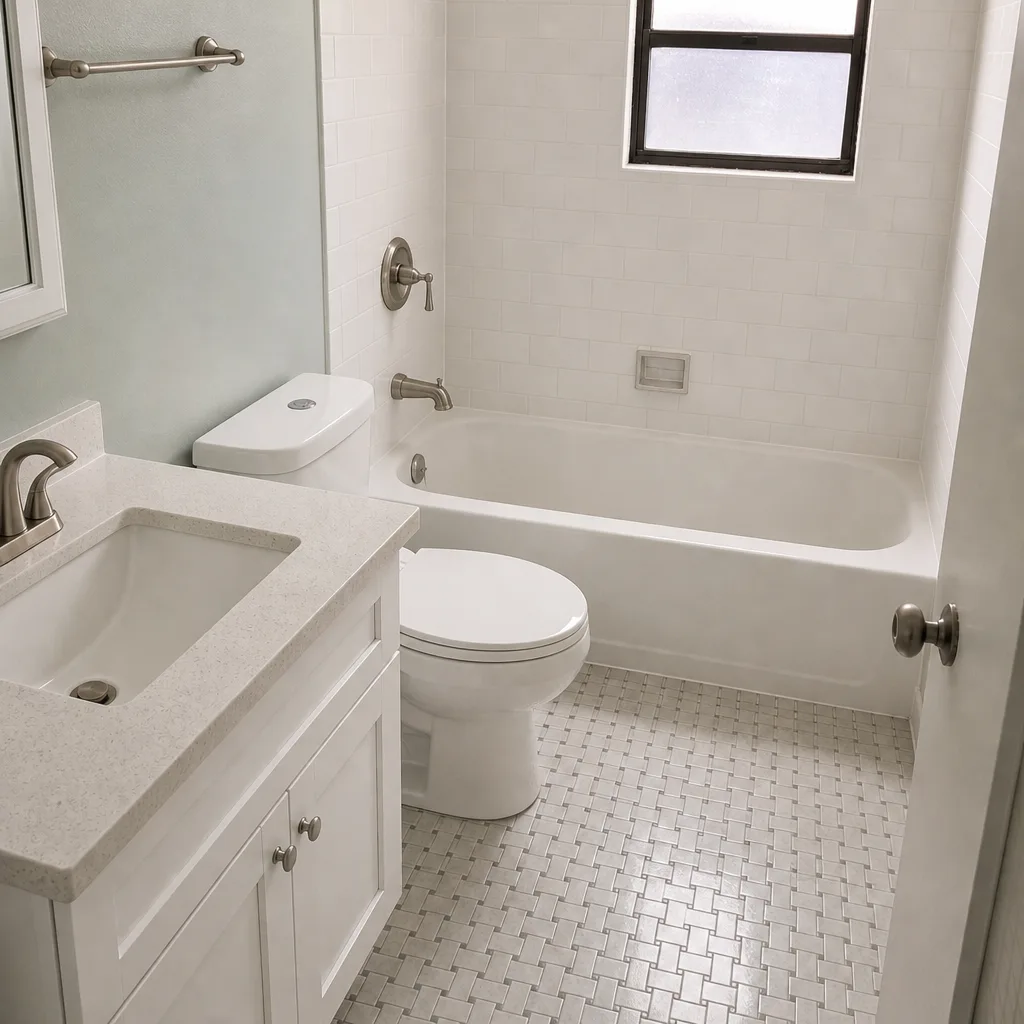
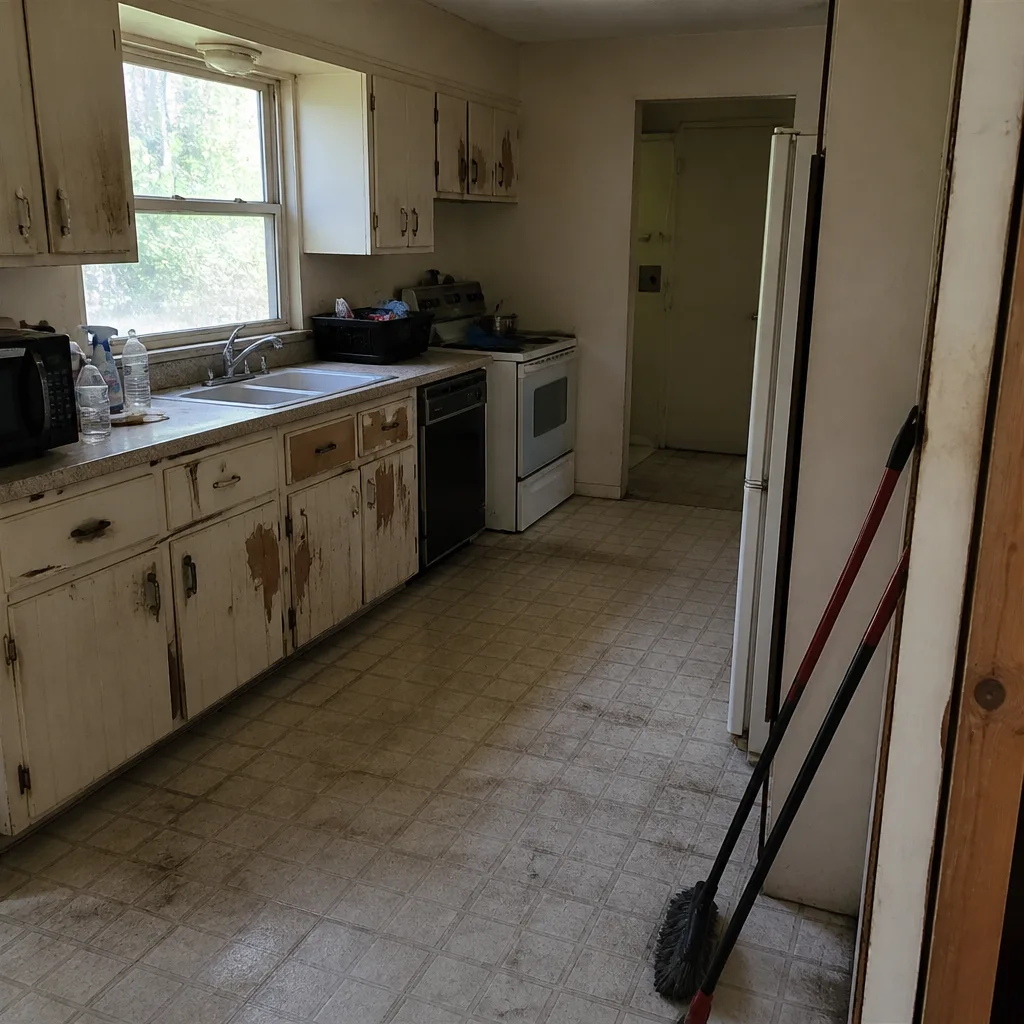
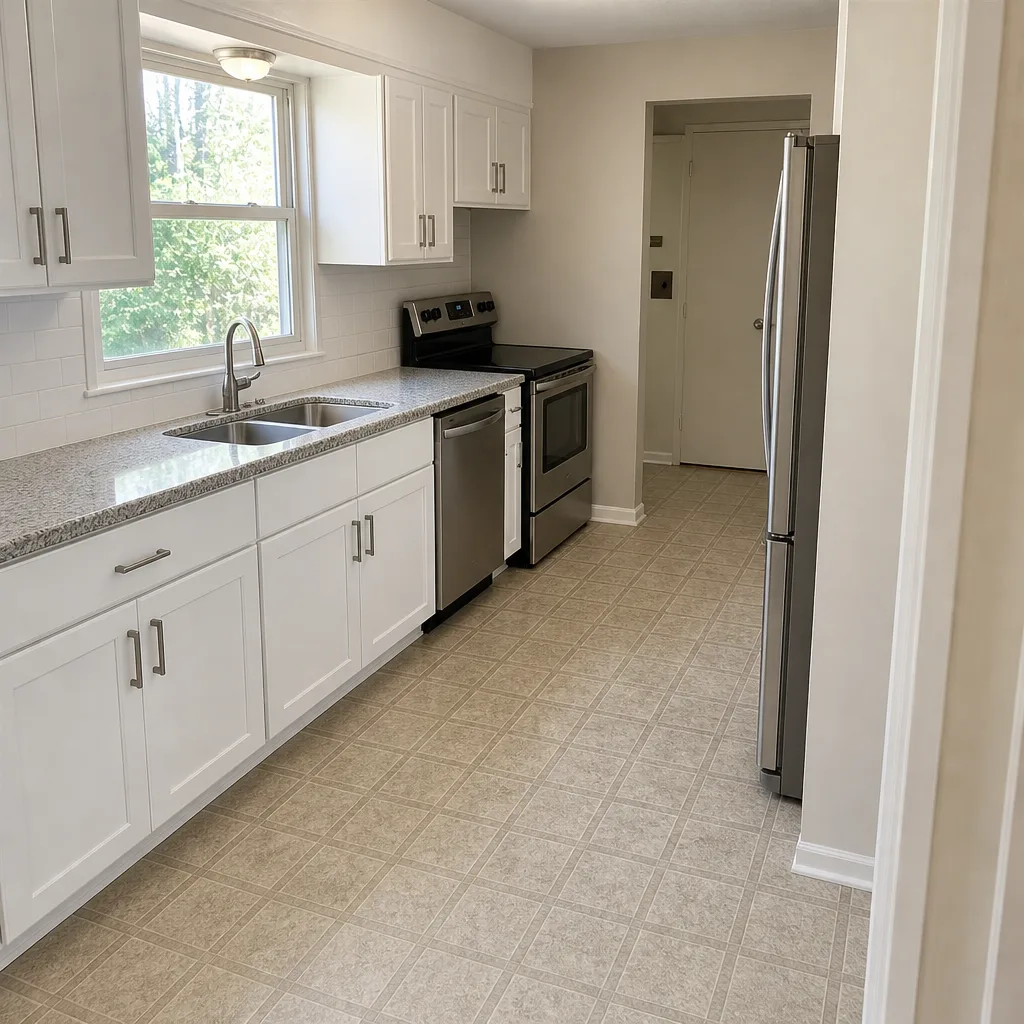
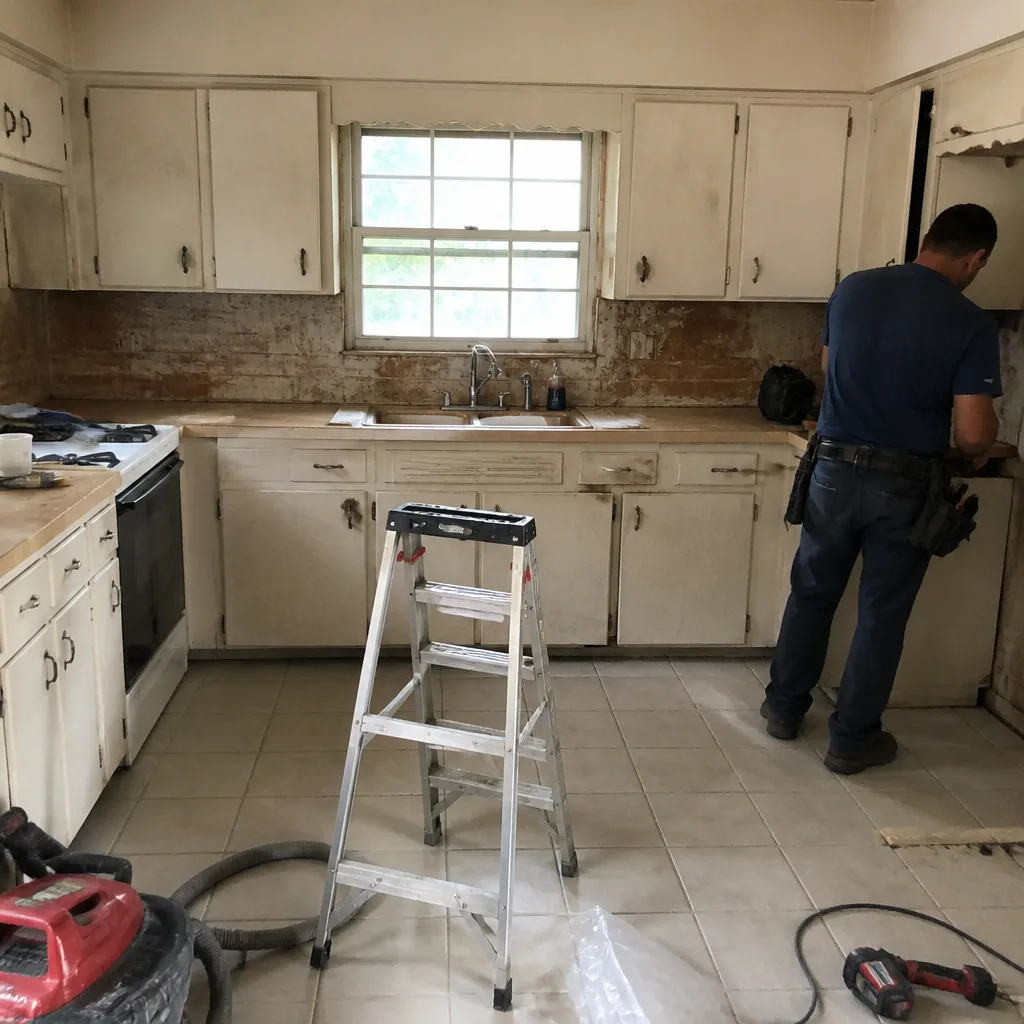
See the difference
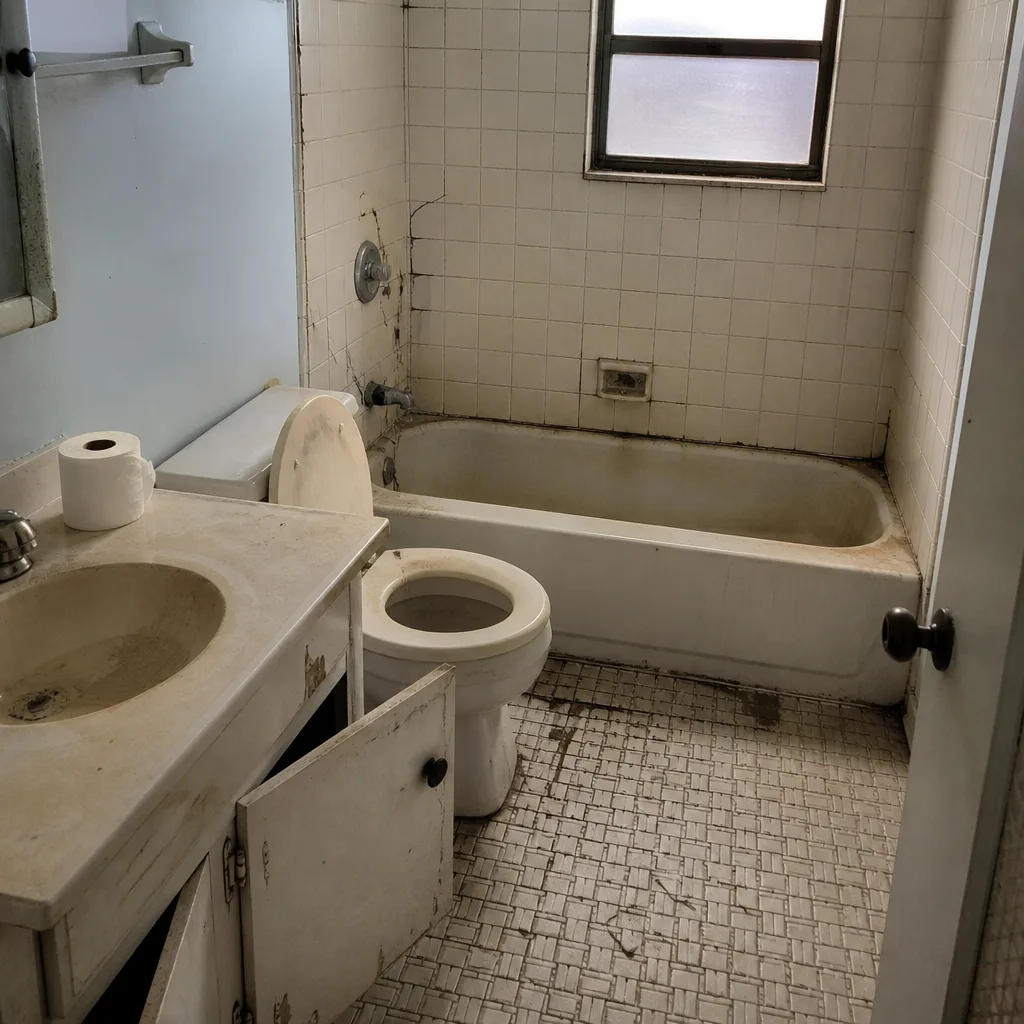 Before
 After
 Before
 After
 Before
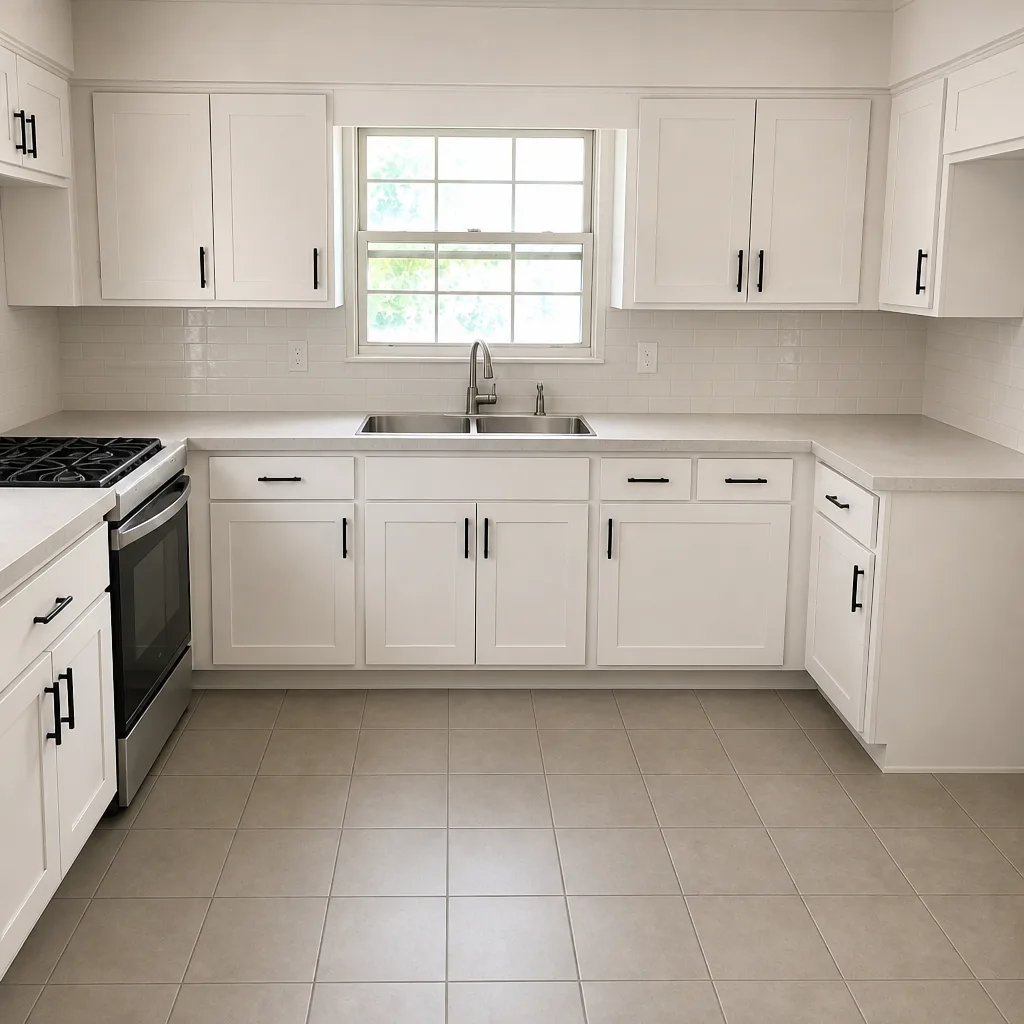 After
When to Call a Professional
Call a professional contractor in Westchester before you do the work in any of these situations: the project requires a permit; the work touches structural framing, electrical, plumbing, gas, or HVAC; the scope involves roofing, stucco repair, or any exterior work subject to inspection; the property is a rental, a second home, or will be sold within a year; the work requires an HOA approval you haven’t obtained; or the project is an addition or ADU. In every one of those cases, the time to bring in a licensed contractor is before you swing a hammer, not after inspection fails. Westchester Construction Co. offers free estimates in Westchester. Call (888) 334-0815 to schedule yours. We’ll look at the scope, tell you honestly which parts are worth doing yourself, and where the licensed line falls.
Frequently Asked Questions
Yes, in limited circumstances under Florida’s Owner-Builder exemption, which allows a homeowner to pull a permit for work on their own primary residence without a contractor’s license. The exemption requires personal occupancy and restricts resale for at least one year, and it does not allow a homeowner to perform licensed trades. Call (888) 334-0815 for an exact assessment of whether your specific project fits.
Flat-roof patching is the most common and most expensive DIY mistake we see. A homeowner patches a leak without addressing slope or drainage, the underlying deck gets wet, and by the time the damage shows the scope has grown considerably. If your roof is leaking, get a licensed roofing contractor involved before doing anything else. Call (888) 334-0815 for a free roof evaluation.
It can. Unpermitted or owner-built work appears in the permit record, and inspectors reference it with phrases like “evidence of alterations without visible permits” or “owner-builder permit noted.” A buyer’s lender can require re-inspection and re-certification of the work before closing, which delays the sale and can shift negotiation leverage. Get permits and inspection paperwork in order before listing.
Interior painting, exterior painting on stucco and trim, landscaping, mulch work, light hardscape below the permit threshold, fence installation on a private lot, and cosmetic cabinet upgrades are all reasonable DIY projects in Westchester’s climate. Avoid anything structural, roofing-related, or involving licensed trades. Call (888) 334-0815 if you’re not sure where the line falls.
Yes. On a permitted project, homeowners can often handle demolition, site prep, and cleanup, and a contractor will typically credit the labor out of the quote. What you cannot do is perform licensed trades or structural work, even with a permit pulled. The hybrid model lets you save labor cost without voiding the permit. Call (888) 334-0815 to discuss a hybrid scope for your project.
It depends on the scope. Most fences fall under a height threshold and require no permit, but height limits, setbacks, and HOA rules still apply. Driveways and paver installations may require a permit once they exceed local square footage thresholds or involve drainage alterations. Check with the city’s building department before you buy materials, and call (888) 334-0815 if you want us to review the scope with you.
The Bottom Line
The DIY-versus-professional decision in Westchester is a legal and financial question before it’s a skill question. Florida’s Owner-Builder exemption is real but comes with a resale restriction and a permit record that follows the property. Cosmetic and low-risk work like painting, landscaping, and light hardscape isn’t just easier to DIY. It’s cheaper to DIY because the material markup and the licensing burden aren’t in play. Structural, roofing, plumbing, electrical, and additions are professional territory, and any owner-built shortcut there typically costs more at resale than it saves during the project. Understand where the line falls for your scope, use the hybrid model to save on labor where the law allows it, and call us for a free estimate before you start.
Whether you’re planning a full-home renovation across multiple trades or just want a second opinion before you start a project, we’ve got the scope, the brand roster, and the licensing to see it through. Call (888) 334-0815 to schedule your free estimate. We answer 24/7. Fast dispatch from 7am to 7pm, Sunday through Friday.
Written by the team at Westchester Construction Co.