
Last updated November 17, 2026
 Home additions & ADU
 Kitchen remodeling
 Bathroom remodeling
 Roofing
 Windows & doors
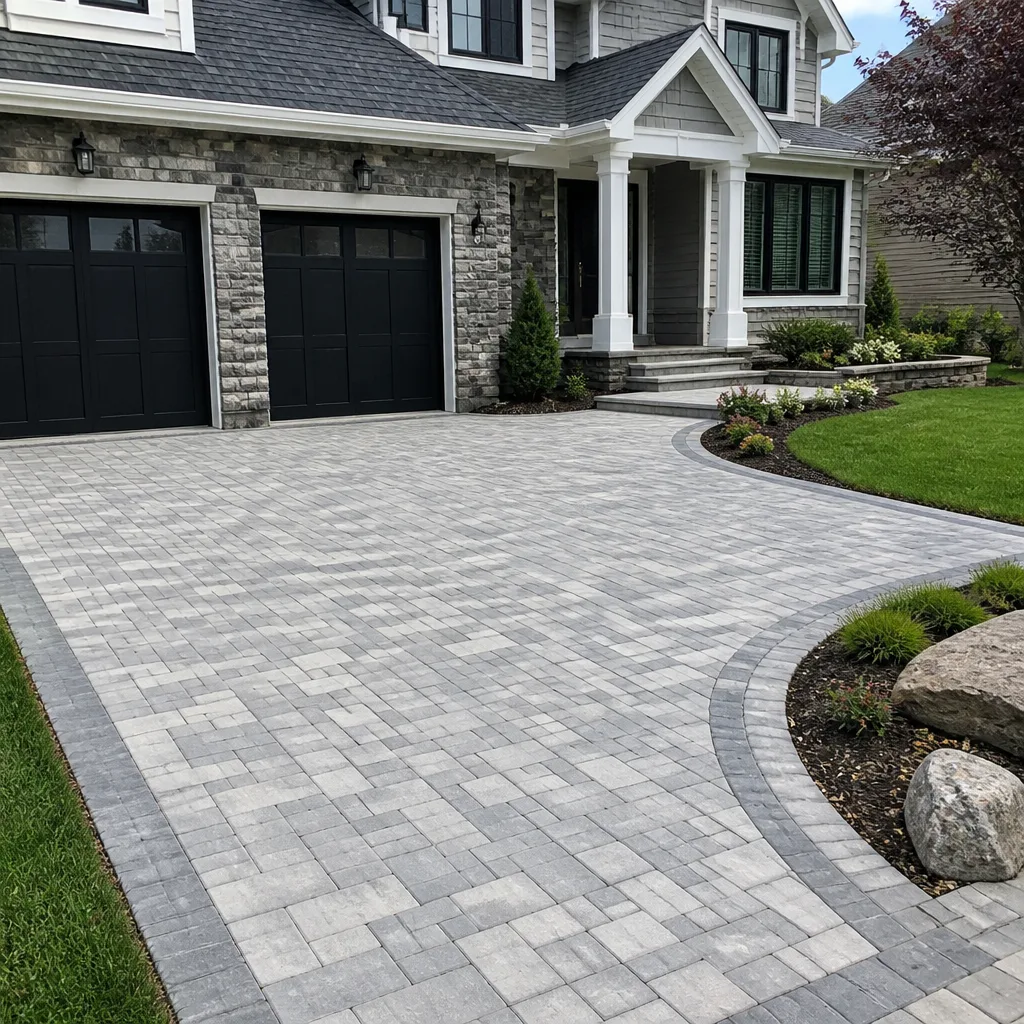 Driveway & pavers
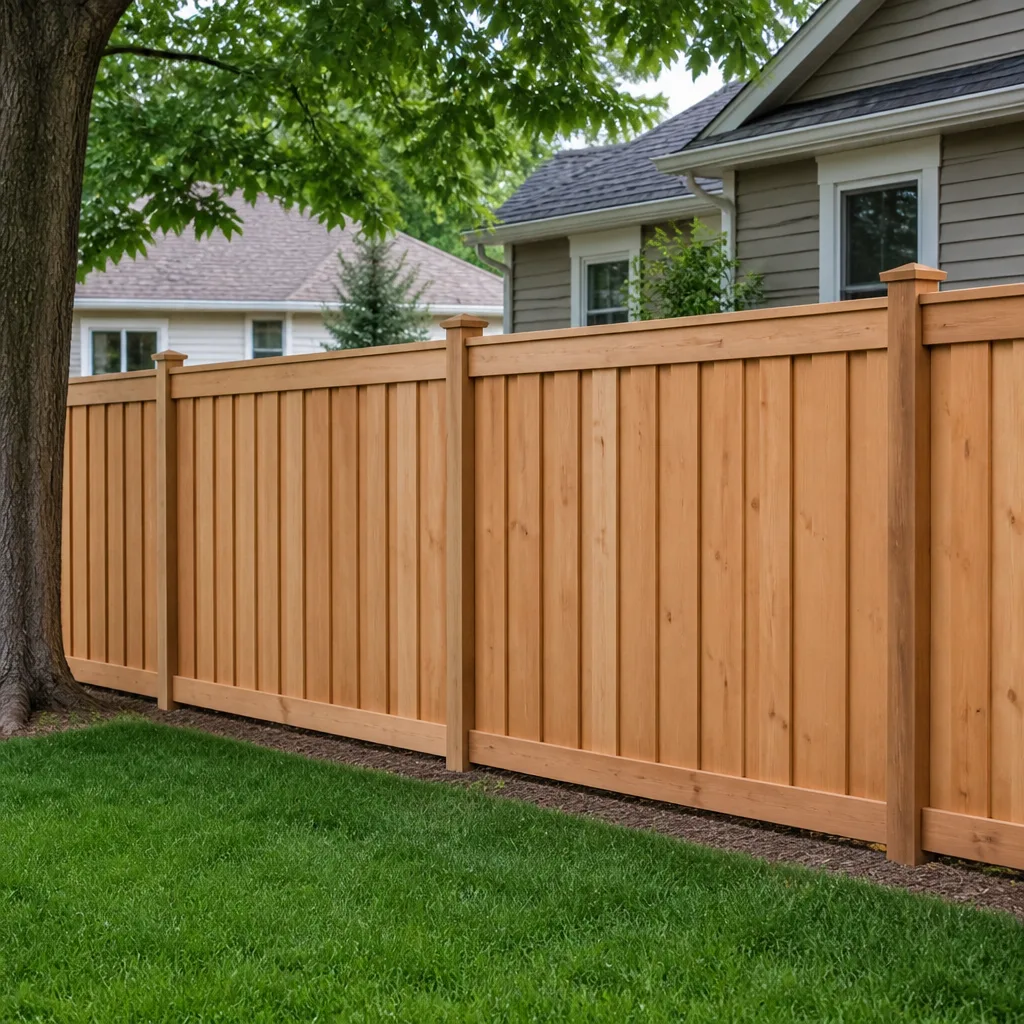 Fence
Free written scope consultation - allowances, timeline, and change-order rules on paper before a single trade is scheduled
Construction Warning Signs: A Westchester Homeowner’s Reference Guide
Most homeowners find out their house has a problem the day it becomes an expensive one. That’s the strange part about construction failure: the evidence is usually sitting in plain sight for a year or more before anything catastrophic happens. The crack that keeps growing. The driveway corner that’s slowly dropping toward the street. The fence post that leaned a little last spring and a lot more this one. Nobody points these things out, so they read as normal wear. This guide teaches you to read your home the way a contractor reads it on a walkthrough, so you catch the small signal in Westchester before it turns into the big bill.
Quick Answer
The most reliable construction warning signs are movement that gets worse over time: cracks that widen, floors or driveways that sink, posts that lean further each season, and stains that reappear after rain. A crack that stays the same size for months is usually cosmetic; the same crack growing wider in 90 days points to a structural or moisture problem you want to price now. Westchester Construction Co helps homeowners across Westchester read these signs and get a free written estimate before minor movement turns into major repair.
Styles & brands we work with
- Kitchen remodeling
- Bathroom remodeling
- Home additions & ADU
- Roofing
- Windows & doors
- Driveway & pavers
- Fence
Table of Contents
- What Different Crack Patterns Tell You
- Reading Your Roof From the Ground
- Water Intrusion: Roofing vs. Plumbing
- Driveway and Paver Failure Progression
- Fence Failure in Clay-Heavy Soil
- Window and Door Warning Signs
- How to Document What You Find
- Common Mistakes to Avoid
What Different Crack Patterns Tell You
A hairline crack running diagonally from the corner of a window frame is not just a cosmetic flaw. It’s a settlement indicator, and it moves. The shape, orientation and progression of a crack tell you more than its size. Once you learn the difference, you can stop guessing and start watching.
Cosmetic cracking is typically short, random, and shallow. Stucco surfaces flex slightly with temperature and settle into micro-cracks that stay the same width regardless of the season. If you photograph it with a coin for scale and check it in 90 days and it hasn’t changed, you’re likely looking at surface weathering.
Structural movement shows up differently:
- Diagonal cracks from the corners of windows or doors, often 45 degrees, especially when they mirror each other on opposite sides of the opening.
- Stair-step cracks through block or masonry walls, where the crack follows the joints like a staircase.
- Horizontal cracks in a foundation wall, which usually indicate pressure from soil or water rather than settling.
- Any crack that widens between inspections is the one to act on.
Westchester’s mild winters mean the ground stays fairly stable, so we don’t see the freeze-driven cracking common up north. What we do see is soil movement from water – poor drainage around the foundation, a downspout dumping too close to the wall, or a slab that never got proper base compaction. If a crack is wider than a quarter inch, or you can see daylight through it, get a trained eye on it.
The single best habit you can build: photograph every crack with a coin held flat against the wall, write the date on the back of the photo, and recheck every three months. Progression is the tell.
Reading Your Roof From the Ground
You don’t need to climb a ladder to spot most roof problems. Binoculars from the driveway will do. The trick is knowing where to look and what each sign means.
Granule loss is the first thing to check. Asphalt shingles lose their protective granules over their service life, and that shows up as bare, black patches or granules piling up in your gutters and at the bottom of downspouts. Widespread granule loss across a whole slope means the shingles are near the end of their life. Patchy loss in one area can mean wind scouring or impact damage.
Flashing lift is the second. Flashing is the metal or membrane that seals the roof at walls, chimneys, valleys and penetrations. When flashing pulls away from the roof surface, water gets behind it and the leak starts months later. Look for curled metal edges, gaps of a finger-width, or sealant that’s cracked and pulling back at any joint on the roof.
Ridge sagging matters most on older roofs. A straight line along the ridge is what you want to see. If the ridge dips in the middle or wobbles, that can point to decking or framing issues under the roof surface, which is a bigger conversation than a shingle replacement.
One more local note: flat-pitch and low-slope sections are common on Westchester roof additions and porches, and they fail differently than shingled slopes. Low-slope roofs don’t shed water quickly, so ponding near drains and standing water after rain is a sign the membrane or pitch has a problem. If you see bubbling, blistering, or seams that look lifted, get it looked at. Our technicians have up to 9 years of experience with low-slope assemblies alongside standard shingle systems, and we install GAF, CertainTeed and Owens Corning systems across both.
Water Intrusion: Roofing vs. Plumbing
Most interior water stains get blamed on plumbing. In our experience, more than half are actually the roof, the walls, or a window envelope letting water in from outside. Here’s how to tell the difference.
Plumbing leaks tend to appear in a fixed spot and stay there, often near a fixture: under a sink, below a bathroom floor, beside the water heater. They often show up whether it’s raining or not, ring-shaped, and the moisture reads as damp-to-the-touch almost constantly.
Envelope and roofing leaks usually appear at ceilings, near wall-ceiling joints, above windows, or on interior walls near exterior corners. They follow rain. They may dry between storms and reappear the next time it rains. They stain brown, spread slowly, and often show a faint tide-mark edge.
Quick test: mark a fresh stain with a pencil line right at its edge, note the weather for a week, and see whether the edge moves during or after rain. If the pencil line stays put for 30 days and a hard rain doesn’t touch it, plumbing is more likely. If it grows after a storm, you’re dealing with an envelope failure.
Don’t ignore either one. Active moisture inside a Westchester home grows mold and rots framing, and the longer it runs the more of the repair happens inside the wall where you can’t see it. Call (888) 334-0815 for a free estimate when a stain reappears twice. We answer 24/7. Fast dispatch from 7am to 7pm, Sunday through Friday.
Driveway and Paver Failure Progression
Driveways and paver surfaces fail in a predictable order, and catching the early stage saves the base. The most common mistake is calling a contractor at stage three when stage one was visible for a year.
The failure sequence typically looks like this:
- Hairline cracking along joints or a central seam. Surface weathering or a base problem just starting, depending on whether the crack follows a joint exactly or wanders.
- Edge migration. The pavers or concrete at the perimeter start to push out toward the lawn or the street. Water is getting under the edge and the base is losing structure.
- Center sinking or low spots that hold water. This is usually base-layer saturation, not surface wear. No amount of patching or topping fixes it; the sub-base has to dry out, drain better or be rebuilt.
- Rutting in wheel paths. Traffic plus saturated base equals rutting, and it accelerates once the base stops draining.
- Paver rotation or lippage. Individual units tipping or standing proud of their neighbors indicate shifted bedding.
Here’s the distinction that matters: edge migration signals base failure. Surface-only wear shows as faded color, a few popped pavers, or aggregate rising, while the base stays flat. If the driveway slopes toward the garage door or a landscape bed, watch whether water flows off it or stands on it. Standing water is the single most reliable warning sign, and it usually starts as a small dip you can see from the sidewalk.
Concrete driveways wear differently than pavers. Look for spalling (surface flaking), control joints that have failed, and any crack that’s opened wider than a pencil. Meanwhile, paver surfaces are far more repairable than concrete if the base is sound; that’s a repair conversation, not a replacement one. Our driveway & pavers team works with Belgard, Techo-Bloc and Unilock systems, but the base layer is what decides whether the surface lasts.
Fence Failure in Clay-Heavy Soil
Fence posts fail in two very different ways, and only one means the fence is coming down. Getting the diagnosis right saves you a full replacement.
Post lean indicates base failure. When a fence post leans, the concrete footing around it has started to move in the soil. In Westchester’s clay-heavy soil, water swells the clay and the footing slowly loses grip. A slow lean, a post that’s clearly at an angle while its neighbors are plumb, or a fence panel that’s visibly pulled out of alignment all point to base failure. If the lean has progressed between seasons, the post needs to come out and be reset, not just propped back up.
Surface-level concrete pop is cosmetic. Where the concrete footing meets the ground, you sometimes see a thin piece of concrete that has cracked and lifted away by a half inch. That’s surface cracking in the concrete cap, not a failure of the footing itself. The post is usually still solid, and the panel line is still true. Cosmetic pop doesn’t shorten fence life.
Other fence warning signs worth a look:
- Rusted or missing fasteners where panels meet posts.
- Top rails that are no longer straight along a run – if one panel sits high and the next sits low, posts may have shifted.
- Wood that’s soft at the base – probe it with a screwdriver at least six inches above ground level.
- Rust bleeding from the inside of a metal post – corrosion often starts where the footer sits.
If a run of three or more posts are leaning in the same direction, that’s a soil drainage problem, not a one-post issue. Fixing it means addressing where water pools on that side of the property. Our fence installation team installs Barrette and ActiveYards lines and footings set to the right depth for local soil, and that footing is where the real conversation starts.
Window and Door Warning Signs
Windows and doors are the easiest warning sign to miss because they still “work” – they just work a little worse every year. Look for these three things.
Sticking that’s new. A window or door that stuck from day one was installed tight. A door that stuck starting last spring was caused by something moving. Note which ones stick and when, and whether the season changes it. If the front door sticks in the wet months and frees up in the dry ones, framing is likely taking on moisture somewhere above or beside the opening. If it’s getting worse every month regardless of weather, that’s structural movement.
Fogging between panes. Double-pane glass has a sealed cavity with desiccant in the spacer. When that seal fails, moisture gets in and the pane fogs from the inside. You can’t wipe it away. A fogged pane means the unit has lost its performance and usually its insulating value; it’s a window replacement, not a cleaning issue.
Weatherstripping and frame gaps. Run a hand around the frame on a windy day and feel for air movement, and look at daylight showing through at the corners. Then check the exterior caulk line for cracking and separation. Small exterior caulk gaps let water into the sheathing behind the frame, and that damage compounds quietly for years.
Impact-rated windows have one additional check: verify the frame and glass are still sealed and the anchor points haven’t loosened. Impact glazing protects from storm debris and impact, so a compromised frame undermines that protection. Westchester Construction Co installs PGT, CGI, ECO Window Systems and ES Window products, and we check the whole opening – frame, flashing, sealant line – not just the sash. If you’re planning window work alongside siding or trim, our Westchester Construction Co team can handle the whole envelope as one project.
How to Document What You Find
Every repair conversation goes better with a record. A contractor who can see what changed and when will give you a tighter scope and a more accurate estimate. It takes about 30 minutes twice a year.
- Walk the exterior clockwise. Start at one corner and circle the house, photographing every crack, discoloration, or oddity in sequence so you know exactly where each photo belongs.
- Include a scale reference. A coin or ruler in the photo gives everyone a sense of true size when it comes time to price work.
- Photograph the roof from the ground. Use your phone’s zoom or binoculars. Capture each roof plane, all flashings, and the gutter line.
- Check the inside. Photograph any ceiling or wall stains, and mark each stain’s edge with a pencil and date.
- Write down the date and weather. “Widened after storm, March 12” is the sentence that changes a diagnosis.
- Repeat every 90 days. Seasonal recheck catches progression before the crack or stain turns into a full repair.
Store photos in one folder on your phone, sorted by date. When you call us for an estimate, those photos will save a return trip and often half the diagnostic time. It’s the same habit contractors use on every site visit.
Common Mistakes to Avoid
- Caulking over an active crack. Sealant hides the problem for a season, and when the crack grows, the movement now has to break through the caulk too. Fix the cause, then the finish.
- Trusting a single inspection. A one-time look can miss progression entirely. The point of the 90-day recheck is that movement doesn’t happen in a day, and neither does its diagnosis.
- Blaming every ceiling stain on plumbing. In Westchester homes, roof and envelope failures are often the real source, and a plumber can spend a week draining walls that were never the problem. A staining pattern check changes the answer.
- Topping a sinking driveway instead of fixing the base. Overlays on a failed sub-base crack again within a couple of seasons, and you’ve paid twice for one repair.
- Assuming paver rotation is “just vinyl.” Tipping pavers mean lost bedding underneath, not cheap units on top. Ignoring it accelerates the damage across the whole panel.
- Resetting a leaning fence post by propping it up. A prop doesn’t stop the footing from moving in clay soil. The post needs proper depth and drainage.
- Waiting for a leak to be “obvious.” Water damage in a Westchester wall or ceiling grows silently for months. Act on the second reappearance, not the tenth.
See the difference
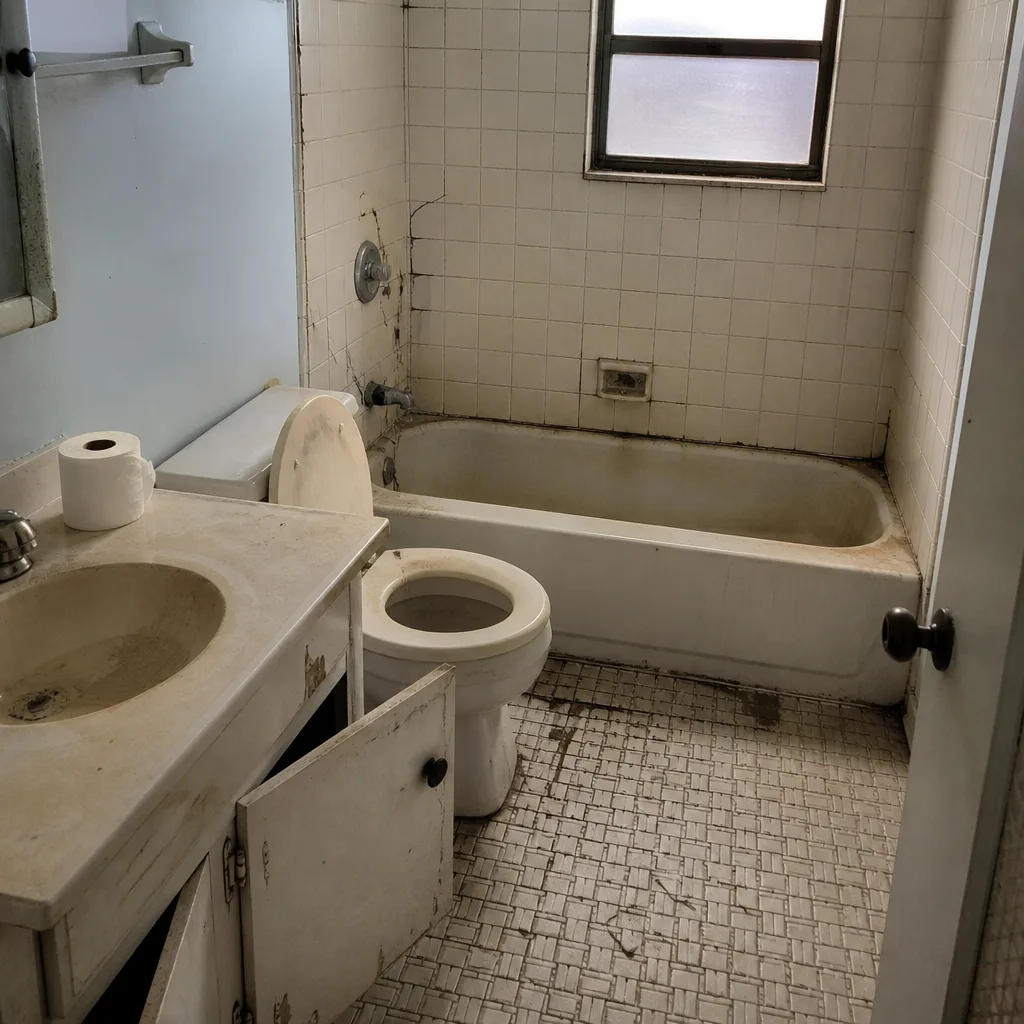 Before
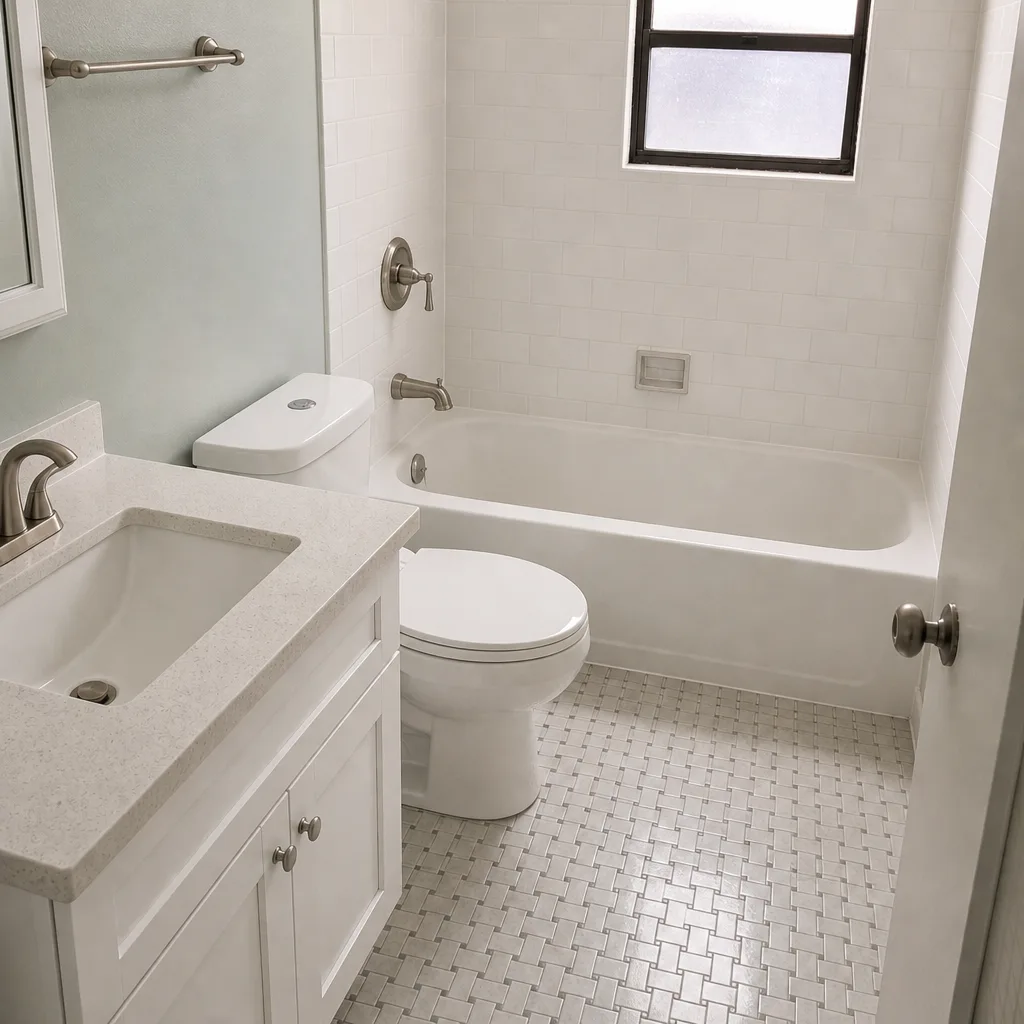 After
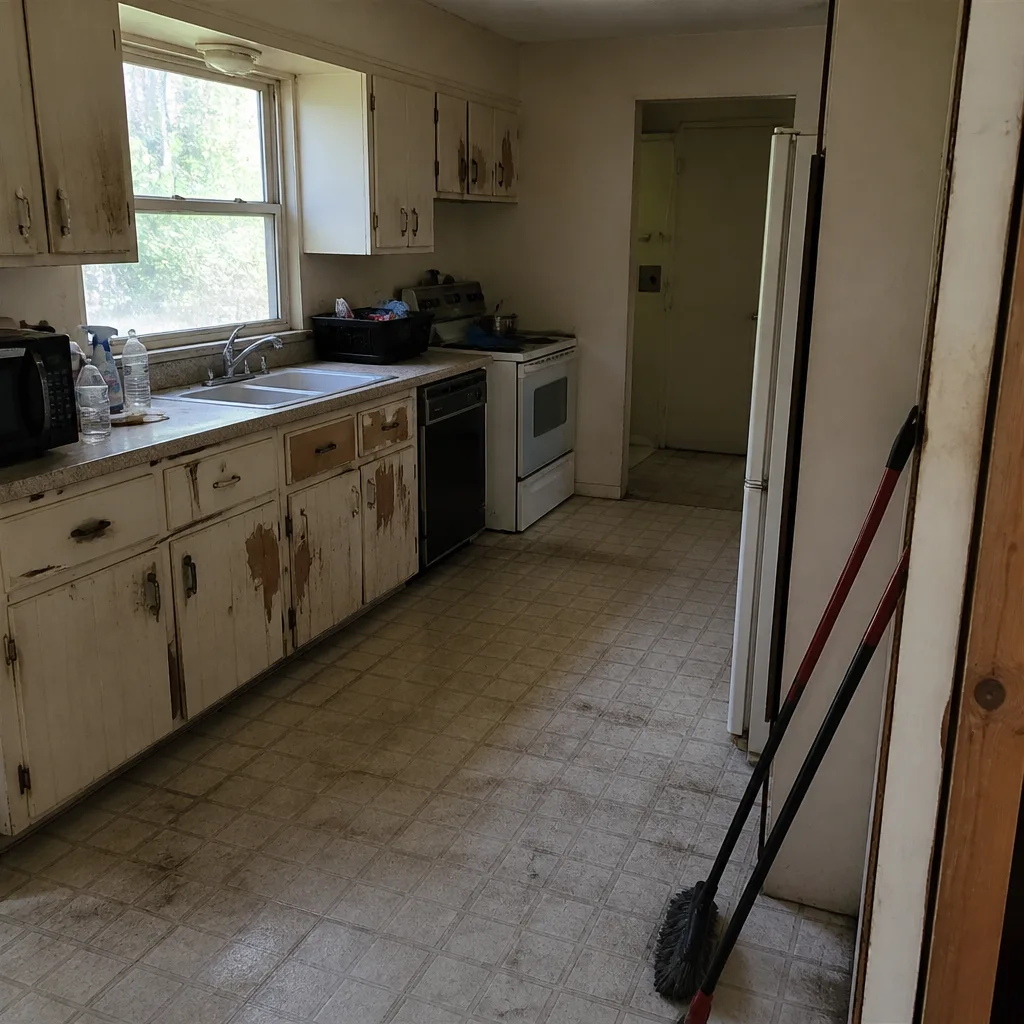 Before
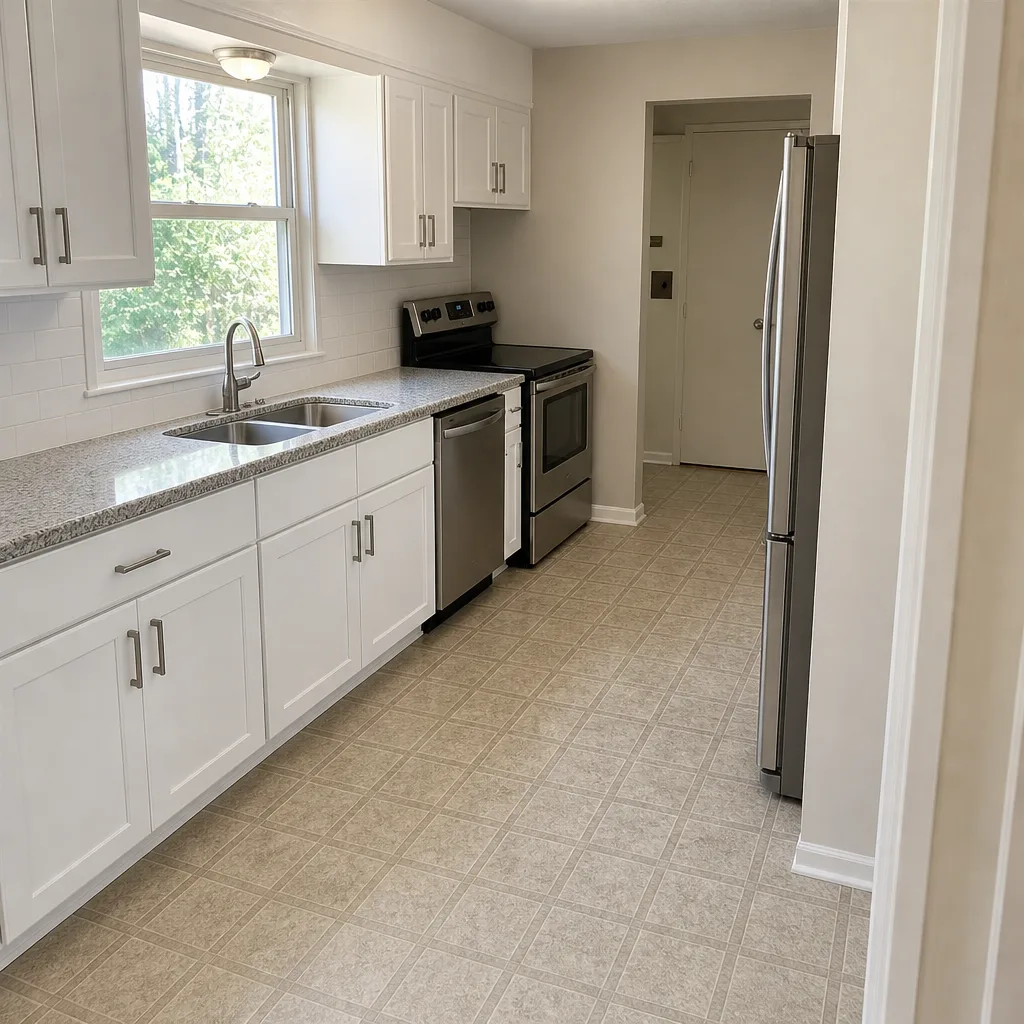 After
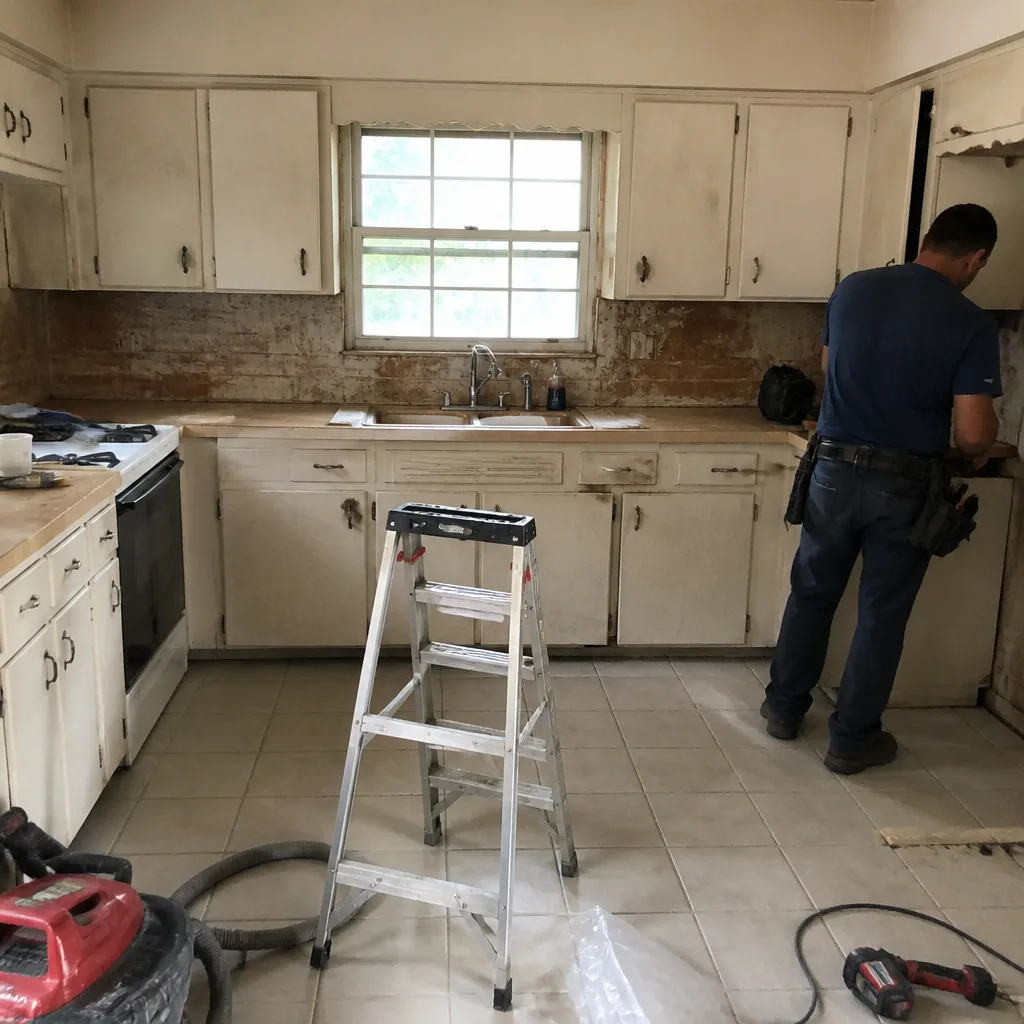 Before
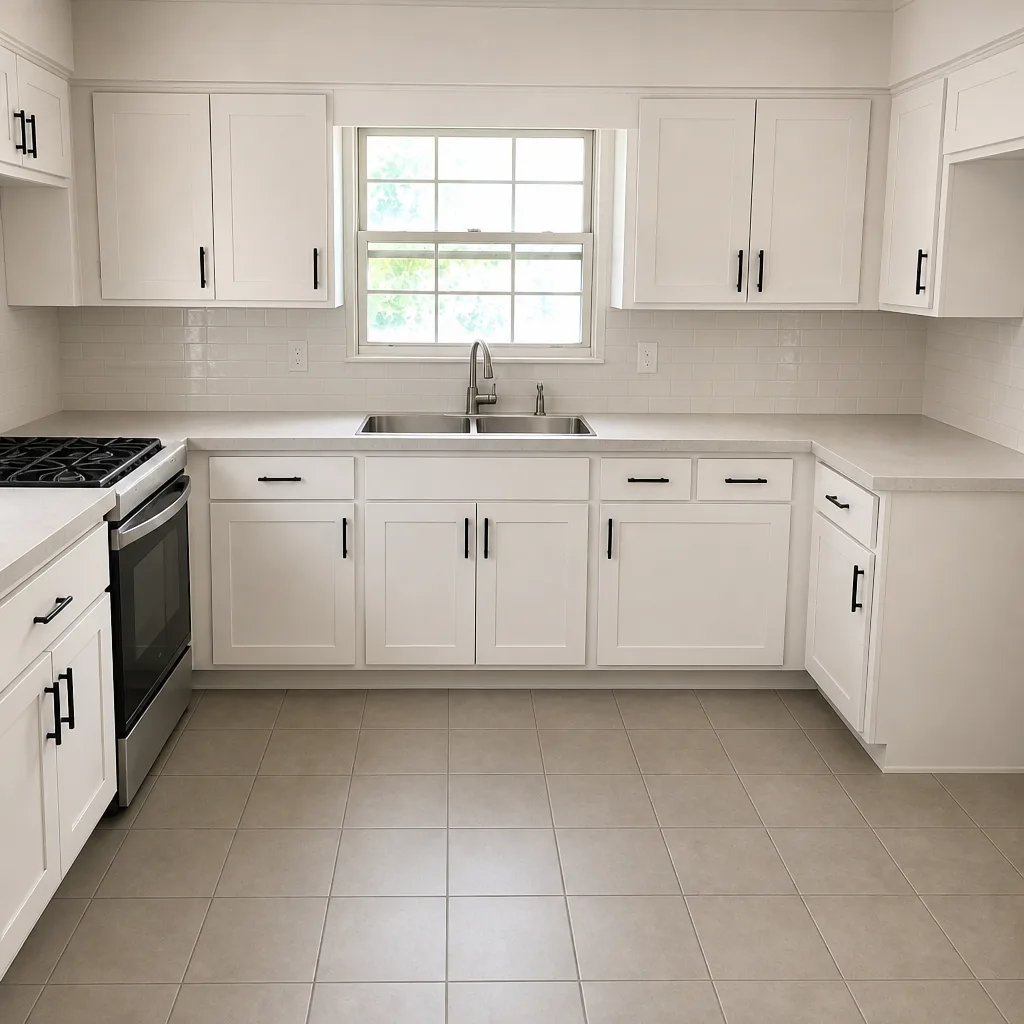 After
When to Call a Professional
Some signs are yours to watch. Others need a professional on site before the repair grows. Call us when a crack has widened between two inspections, when water stains return after rain, when three or more fence posts lean the same way, when a driveway is holding standing water, or when the ridge line of your roof looks wavy. Also call when you’re planning work that crosses trades – replacing windows and roofing together, or resurfacing a driveway while fencing a property line – because coordinating those decisions as one project saves materially compared to booking each trade separately.
Westchester Construction Co offers free estimates in Westchester for all seven of our service lines, and we write a line-item quote before any work starts. Our technicians have up to 9 years of experience across driveways, fencing, additions, bathrooms, windows, roofing and kitchens. Call (888) 334-0815. We answer 24/7. Fast dispatch from 7am to 7pm, Sunday through Friday.
Frequently Asked Questions
Structural cracks are diagonal or stair-stepped, often originating at window and door corners, and they widen over time. Cosmetic cracks are short, shallow, and stay the same width when you recheck. Photograph with a coin for scale, wait 90 days, and compare. If it’s wider, have a professional look at it. Call (888) 334-0815 for a free estimate – we’ll assess the pattern and give you a written recommendation.
No. Fogging between panes means the sealed glass unit has lost its desiccant seal, which is a window-unit issue, not a structural one. If the frame itself is soft, sticking, or shows water staining around it, the cause may be the envelope above or beside the window, and that’s worth a walkthrough. Call (888) 334-0815 for a free estimate on window replacement or envelope repair.
It usually means base failure – the concrete footing has lost grip in the clay, often from poor drainage in that spot. A thin surface crack where the concrete meets the ground is cosmetic and doesn’t shorten the fence’s life. A leaning post with a pulled panel line needs resetting. Call (888) 334-0815 for a free estimate on the fence line.
No. Center sinking means the base layer is saturated or compacted wrong, and resurfacing over a failed base cracks again quickly. The right fix is a base rebuild or a drainage solution under the surface, followed by new pavement or pavers. Call (888) 334-0815 for a free estimate – we’ll tell you whether the base can be salvaged or rebuilt.
Anything up on the roof surface warrants a trained professional. Even a small leak involves roof-height work, and slipping and falls are the leading serious risk in this trade. Do your own inspection from the ground with binoculars, then call a roofer. Call (888) 334-0815 for a free estimate on roof repair or replacement.
After the second reappearance, call. A one-time drip after a heavy storm may be condensation; the same stain after two storms is a real leak and the framing behind it is quietly taking on moisture. Don’t wait for it to turn black or smell musty. Call (888) 334-0815 for a free estimate – a short walkthrough often resolves whether it’s roofing, plumbing, or the window envelope.
The Bottom Line
The construction warning signs that matter are the ones that change between inspections. A diagonal crack that widens, a driveway edge that’s migrating, a fence line that’s leaning the same way across multiple posts, a ceiling stain that grows after rain, and a ridge that’s dropped out of line. In Westchester, our mild climate and clay-heavy soil mean water and drainage drive most of these issues, and catching them at month three is the difference between a repair and a rebuild. Build the 90-day habit. Photograph everything with scale. And when movement shows, get a professional read. Westchester Construction Co is one team across all seven trades – concrete, home additions & ADU, bathrooms, windows, roofing and kitchens – which means the whole house gets coordinated, from the driveway to the countertop. Call (888) 334-0815 for a free estimate. We answer 24/7. Fast dispatch from 7am to 7pm, Sunday through Friday.
Written by the team at Westchester Construction Co.