
Last updated November 17, 2026
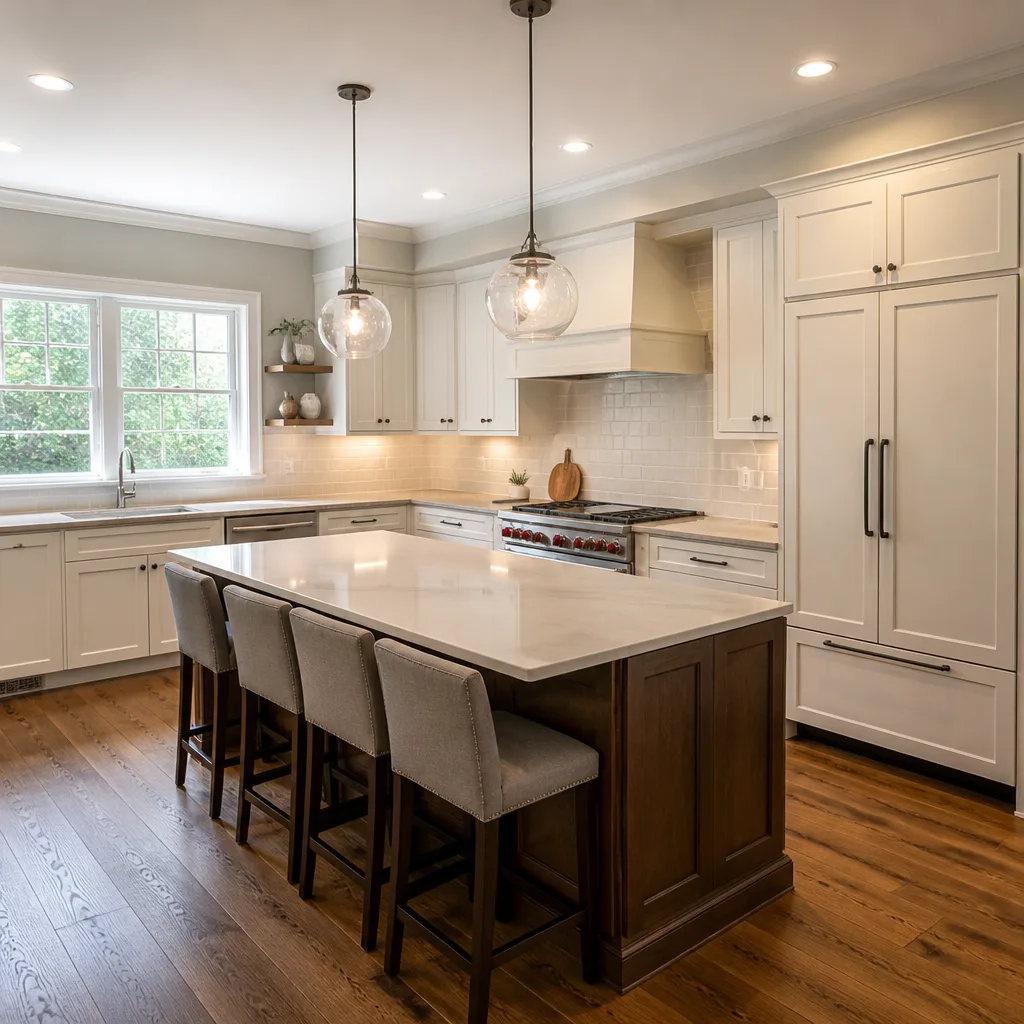 Kitchen remodeling
 Bathroom remodeling
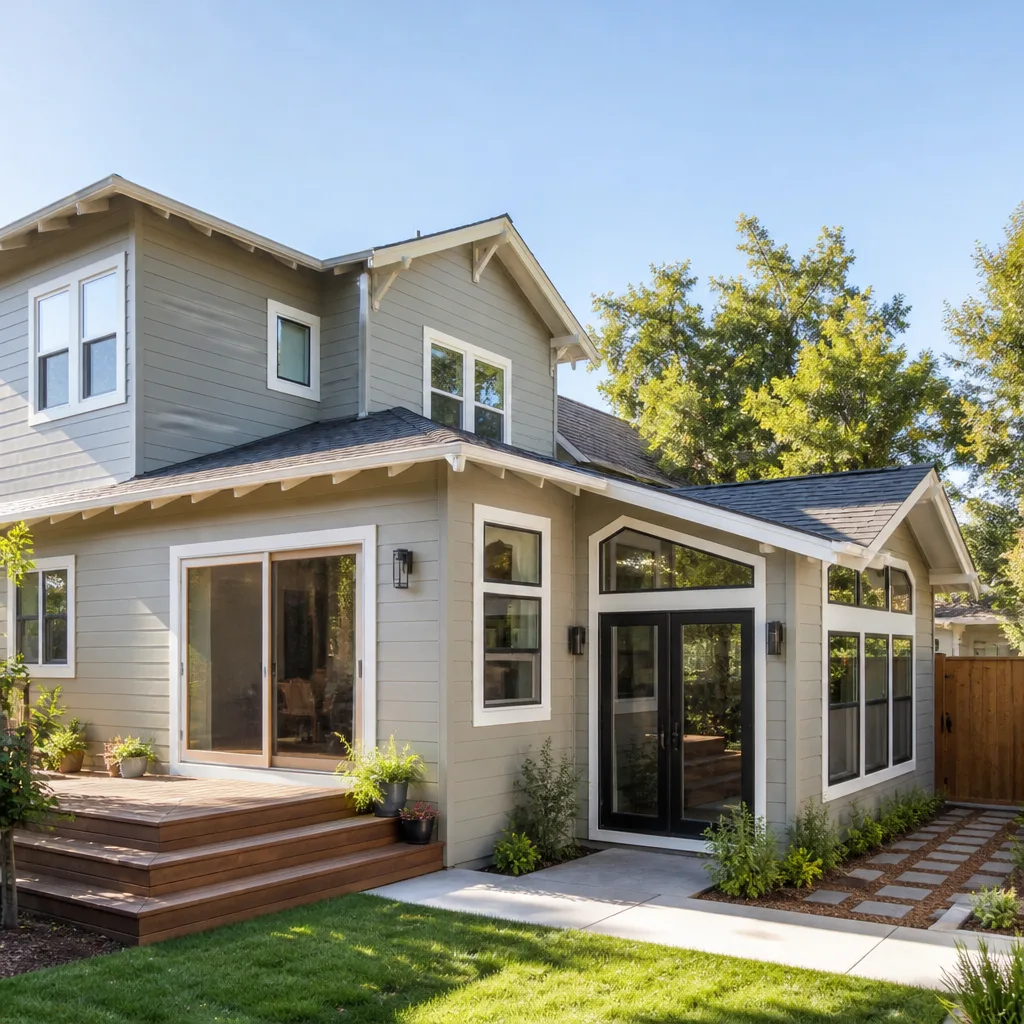 Home additions & ADU
 Roofing
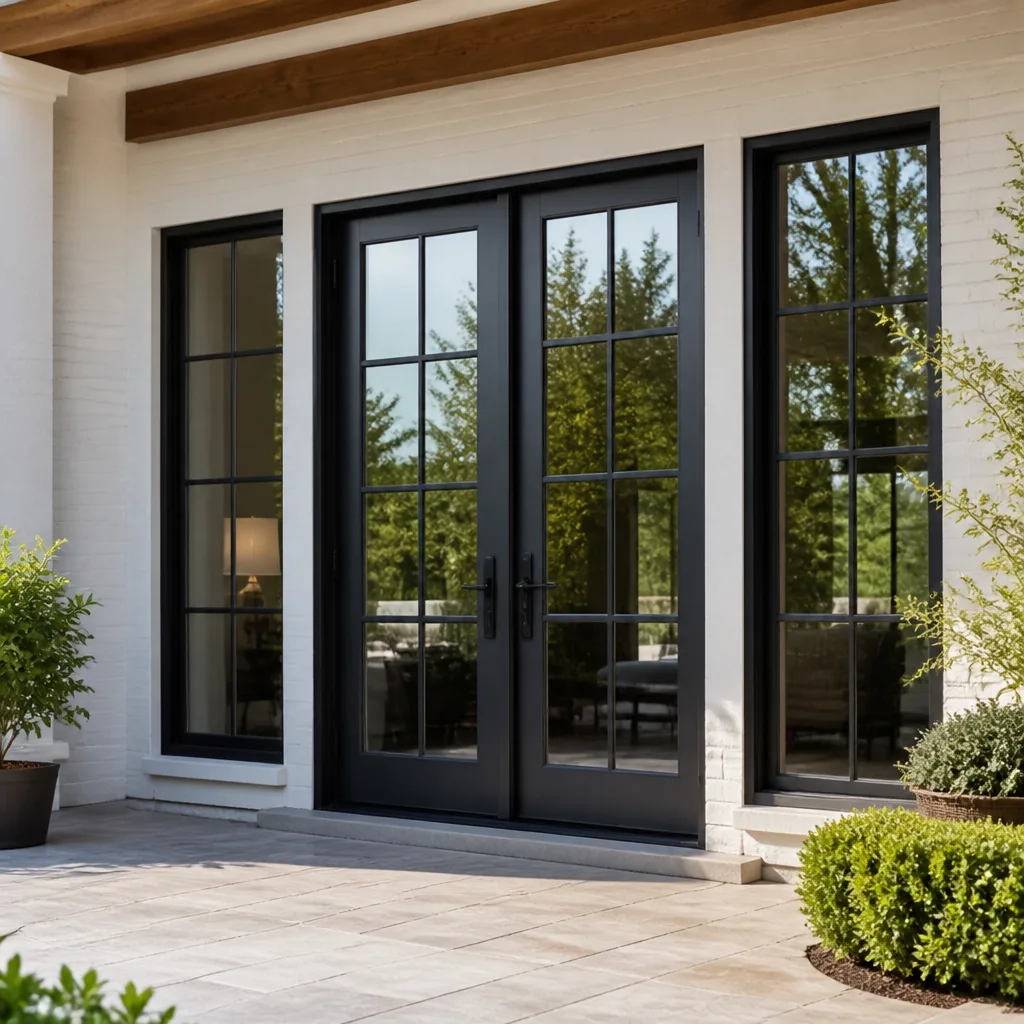 Windows & doors
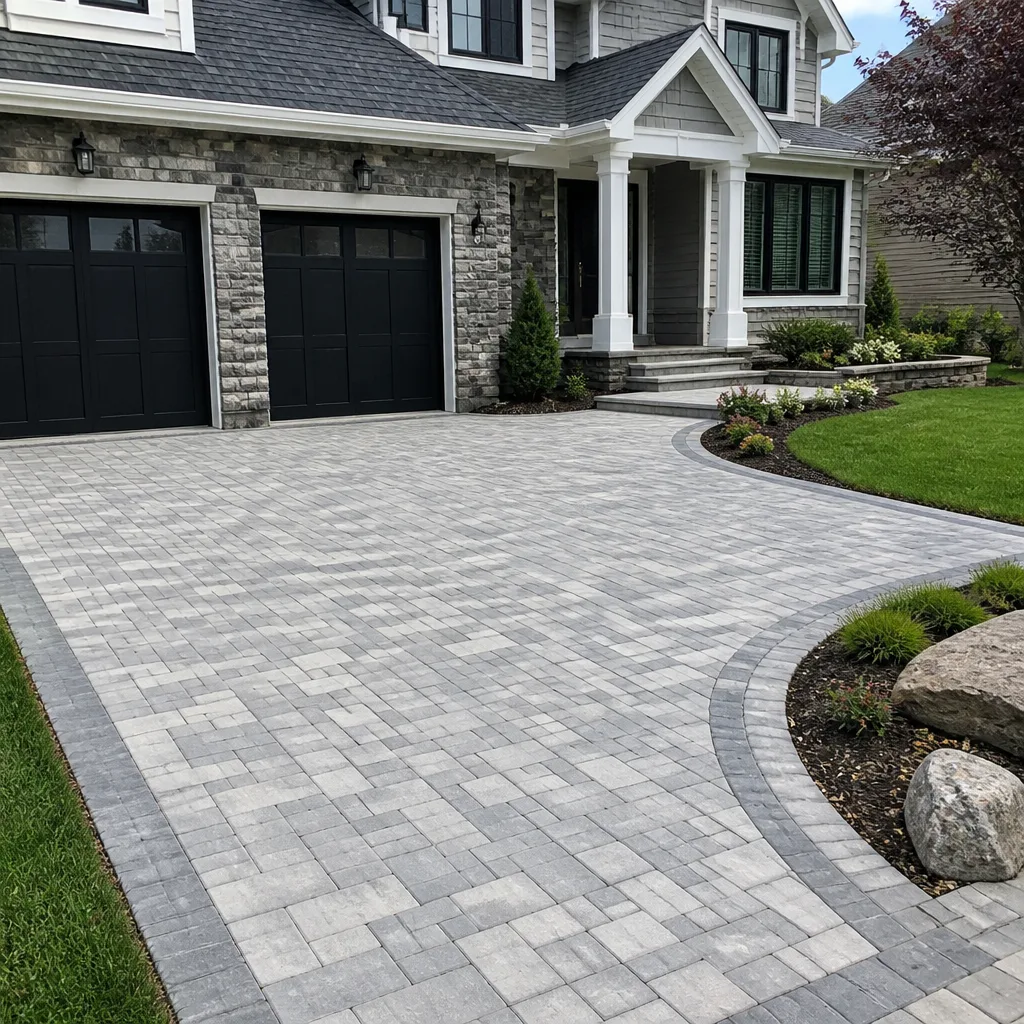 Driveway & pavers
 Fence
Free written scope consultation - allowances, timeline, and change-order rules on paper before a single trade is scheduled
Construction Permits, Codes & Inspections in Westchester, FL: What You Need to Know
Most homeowners assume a permit is paperwork that slows a project down. In Westchester, the opposite is usually true: the permit is the only thing standing between you and a finished project that holds its value. Here’s the misconception worth clearing up first. A bathroom remodel done without a permit doesn’t just risk a stop-work order. It creates a property disclosure obligation the day you sell, and it can complicate an insurance claim if water damage starts inside that unpermitted space. Westchester sits inside Miami-Dade County, which runs one of the strictest building code environments in the country, and the rules here don’t behave like the rules in most other states. This guide walks through which projects need a permit, how the HVHZ rules change what materials you can use, how inspections actually sequence, and where unpermitted work shows up in county records.
Quick Answer
In Westchester, FL, most structural, electrical, plumbing, roofing, and window or door replacement work requires a Miami-Dade County building permit before work starts. Miami-Dade enforces the Florida Building Code along with a High Velocity Hurricane Zone designation that restricts which products are approved, especially for roofs and exterior openings. Inspections are scheduled at defined stages (rough-in, framing, final), and work done without a permit stays visible in county records and can surface during a refinance appraisal or title search.
Styles & brands we work with
- Kitchen remodeling
- Bathroom remodeling
- Home additions & ADU
- Roofing
- Windows & doors
- Driveway & pavers
- Fence
Table of Contents
- Which projects need a permit in Westchester?
- What is the High Velocity Hurricane Zone and why does it matter here?
- How does the inspection sequence work?
- Do impact windows and doors trigger a full opening upgrade?
- How does unpermitted work show up in county records?
- Common mistakes to avoid
- When to call a professional
- Frequently asked questions
Which projects need a permit in Westchester?
The short answer: if the work touches structure, the building envelope, electrical, plumbing, or gas, assume it needs a permit. Miami-Dade County publishes its own list of exempt versus permit-required work, and the thresholds sit closer to “almost everything” than most homeowners expect. A fresh coat of paint or swapping a light fixture on an existing circuit typically falls on the exempt side. Tearing out a bathroom down to the studs does not.
Here’s how we think about the categories when a Westchester homeowner calls us about a project:
- Permit required: New roofs and full re-roofs, structural changes, room additions, accessory dwelling units (ADUs), new electrical circuits, new plumbing runs, water heater replacement, window and door replacements that change the opening, fence and wall installations over the county’s height thresholds, and any driveway or paver work that alters drainage or the right-of-way.
- Often exempt, but verify: Cosmetic updates like painting, replacing cabinet hardware, or swapping a toilet in the same location. Even here, the county’s rules have limits, so confirm before you schedule the work.
- Homeowner exemption territory: Florida allows a homeowner to do certain work on their own primary residence without a licensed contractor, but the exemption doesn’t erase the permit requirement. You still pull the permit, you still get the inspections, and the exemption generally excludes anything involving structural work or work done for compensation.
The dollar and square footage thresholds matter most on additions, ADUs, and accessory structures. A small detached shed may sit under the county’s trigger, while an ADU with plumbing and electrical almost never does. Because the thresholds shift with code cycles, the safest move is to call the county’s building department with your address and project scope before you buy materials. Our Westchester Construction Co team handles this check on every estimate we write, because a project priced without a permit isn’t priced correctly.
What is the High Velocity Hurricane Zone and why does it matter here?
Miami-Dade County is designated a High Velocity Hurricane Zone, or HVHZ. That designation is a direct result of Hurricane Andrew, the 1992 storm that changed Florida’s building code overnight. It means products installed on homes here must meet HVHZ approval, which is a stricter standard than what’s required in most of the state. A shingle, window, or door approved for a home in central Florida is not automatically approved for a home in Westchester.
This is where a lot of out-of-state assumptions break down. When a homeowner says “the manufacturer says this product is Florida-approved,” we ask a follow-up: approved for HVHZ, or just for the state? For roofing, that means looking at the product approval numbers on the manufacturer’s evaluation report. For impact windows and doors, it means checking the assembly approval, not just the glass.
Roofing is the highest-stakes category. Under HVHZ rules, the roof system is approved as a whole (underlayment, attachment method, and product), not as individual parts. That’s part of why we work with six major roofing manufacturers, including GAF, CertainTeed, and Owens Corning, and why we don’t substitute materials mid-job, even if a cheaper option is available at the supplier. The material has to match the approved system or it doesn’t pass inspection.
The same logic reaches the driveway. Paver installations that change how water drains off a property can trigger county review even when the pavers themselves are just cosmetic. If you’re planning new exterior work, take a look at our driveway & pavers page for how we approach drainage and grading before the permit goes in.
How does the inspection sequence work?
Every permitted job has a defined sequence of inspections, and each one has to pass before the next stage can start. Skipping a stage or covering work too early is the most common reason a job gets a re-inspection and a re-inspection fee. The exact sequence varies by project type, but the pattern is predictable.
Here’s a general sequence we follow on a typical interior remodel, like a bathroom or kitchen:
- Pre-construction / permit issuance. Submit plans, pay the permit fee, and post the permit card in a visible spot on site.
- Rough-in inspection. Plumbing, electrical, and mechanical lines go in before drywall. The inspector checks that the work matches the plans and meets code.
- Framing inspection. On structural work, framing is inspected before insulation and drywall cover it.
- Insulation and drywall. Once rough-in and framing pass, walls close up and finishes begin.
- Final inspection. All work complete, all previous inspections signed off, permit closed out. That final signed card is what proves the work was permitted and inspected.
Roofs follow their own path. On a full re-roof, there’s usually a dry-in inspection before the finished roofing goes down, then a final. Window replacements follow a similar pattern: a rough opening check, then a final. For larger structural work like adding a room or an ADU, the sequence is longer and includes structural and sometimes energy inspections. Our home additions & ADU page walks through how we stage those projects, because the inspection schedule drives the entire construction timeline, not the other way around.
The practical tip: schedule each inspection as soon as the stage is ready, not when the whole job is done. A job that waits until the end to call for the first inspection usually loses weeks.
Do impact windows and doors trigger a full opening upgrade?
Not always, but more often than most homeowners assume. In Miami-Dade, replacing a window is a permit-required project, and the county checks the new window’s HVHZ approval against the opening it’s going into. A targeted replacement works when the opening itself meets the requirements. A full opening upgrade becomes necessary when the existing frame, header, or rough opening doesn’t meet current code.
That distinction matters in Westchester because so much of the housing stock was built decades ago. Older openings often need reinforcing that a straight swap wouldn’t catch. When the county reviews the permit application, it looks at the whole opening assembly, not just the product.
Where we see the full-upgrade trigger most often:
- Adding a new opening where there wasn’t one before, which requires new headers and framing.
- Combining windows into a larger unit or changing window proportions.
- Replacing original windows on a home where the existing frames don’t meet the current HVHZ attachment requirements.
- Sliding doors and French doors, which carry different approval rules than fixed windows.
We work with PGT, CGI, ECO Window Systems, and ES Windows because those product lines include assemblies that meet HVHZ requirements across a wide range of opening types. Getting the approval paperwork to the county before the installation is scheduled keeps the job moving. If the approval doesn’t match the opening, the inspector won’t sign off, and the windows come back out.
How does unpermitted work show up in county records?
Every permitted job in Miami-Dade creates a paper trail: the permit number, the inspection sign-offs, and the final close-out. When a permit is issued but never closed, the record shows it as open. That open permit follows the property, not the contractor. A new owner inheriting an open permit is the one who has to resolve it, and resolution often means bringing the work up to current code and getting it inspected, sometimes years after the fact.
Unpermitted work shows up in two places homeowners don’t always anticipate:
- Refinance appraisals. Appraisers check county records against what they see on site. A finished bathroom that doesn’t match the permit history gets flagged, and the appraiser can note it as a discrepancy that the lender has to resolve before the loan closes.
- Title searches. A title search surfaces open permits, code enforcement liens, and stop-work orders. Any of these has to be cleared before a sale or refinance, and clearing them takes time and money.
There’s a third place: insurance. If water damage originates in an unpermitted bathroom, the insurer’s adjuster can question whether the work was done to code. Whether the claim is covered is a decision for your insurer, but the unpermitted status creates a fight you don’t want to have. The same logic applies to an unpermitted fence or driveway that encroaches on a neighbor’s property line or a county easement. Permits for fences installed with lines like Barrette or Master Halco are inexpensive, and the paperwork protects you at resale.
Why do permit fees in Miami-Dade cost what they do?
Permit fees here are calculated from the project’s valuation, not a flat rate per project. The county sets its valuation using published square-foot cost tables, which means the fee on a kitchen remodel is based on the county’s cost figure, not the price you agreed with your contractor. That’s why two homeowners with similar kitchen scopes can see different fees, and why the fee sometimes surprises people mid-estimate.
On a full re-roof, the fee scales with the roof area and the valuation method the county applies. On additions and ADUs, the fee reflects the structural scope, which is why an ADU carries a bigger permit line item than a bathroom. Windows get assessed on a per-opening basis generally, so a whole-house window project has a different fee structure than a single replacement.
We build the permit fee into the written estimate as its own line, so you see exactly what the county charges versus what the work costs. When the county reassesses the fee at issuance, we update the estimate before work starts. A written line-item quote should never bury the permit fee inside a lump sum. If you want a fee estimate before you commit to a design, call us and we’ll walk through it with your project scope in hand.
How long does the permit process take in Westchester?
Timelines in Miami-Dade depend on the project type and the completeness of the submission. A straightforward re-roof or window permit generally moves through review faster than a structural addition, because the plan-review load is different. An ADU with new plumbing, electrical, and structural work takes longer because more review stages are involved.
What slows a permit down more than anything else is an incomplete application. Missing product approval numbers, inconsistent plans, or a scope that doesn’t match the drawings all kick the application back for corrections. Each correction cycle adds time. Submitting a complete package the first time usually saves more than any other single step.
In our experience, the permit review window is only part of the timeline. The inspection schedule after approval is often the bigger constraint, because inspectors run on the county’s schedule and each stage has to be called in and passed before the next one starts. A realistic project plan accounts for both the review window and the inspection gaps. When we schedule a Westchester project, we book the inspection slots as far ahead as the county allows, so a framing inspection doesn’t sit waiting for the next available appointment. Call (888) 334-0815 and we’ll map the timeline to your specific project.
What does a permit cost on a typical Westchester remodel?
Permit fees vary by valuation and scope, so we don’t quote them as a fixed number. What we tell homeowners is that a permit is a relatively small piece of the total project budget, and an unpermitted job can cost far more than the permit would have. That’s not a reason to skip the conversation about fees, though, so here’s how to think about the categories:
- Simple replacements (windows, doors, a re-roof): Permit fees are generally modest compared to the product cost, and the fee scales with project size.
- Bathroom and kitchen remodels: Permit fees reflect the scope of plumbing and electrical work. Pulling one permit for the whole remodel is simpler than pulling three separate permits.
- Additions and ADUs: These carry the highest permit and review costs, because the county is reviewing structural plans, drainage, and energy compliance all at once.
- Fences and driveways: Permit fees here are typically the smallest line item, but the permit is still the thing that confirms the height, setback, and drainage rules are met.
The written estimate should always break this out. If you’re comparing quotes and one is significantly lower on the sticker price, check whether the permit is actually included. A quote that leaves the permit off isn’t cheaper. It just moves the cost to whoever pulls the permit, which is usually you. Free estimates from Westchester Construction Co include the permit line as its own item, so you can compare apples to apples.
See the difference
 Before
 After
 Before
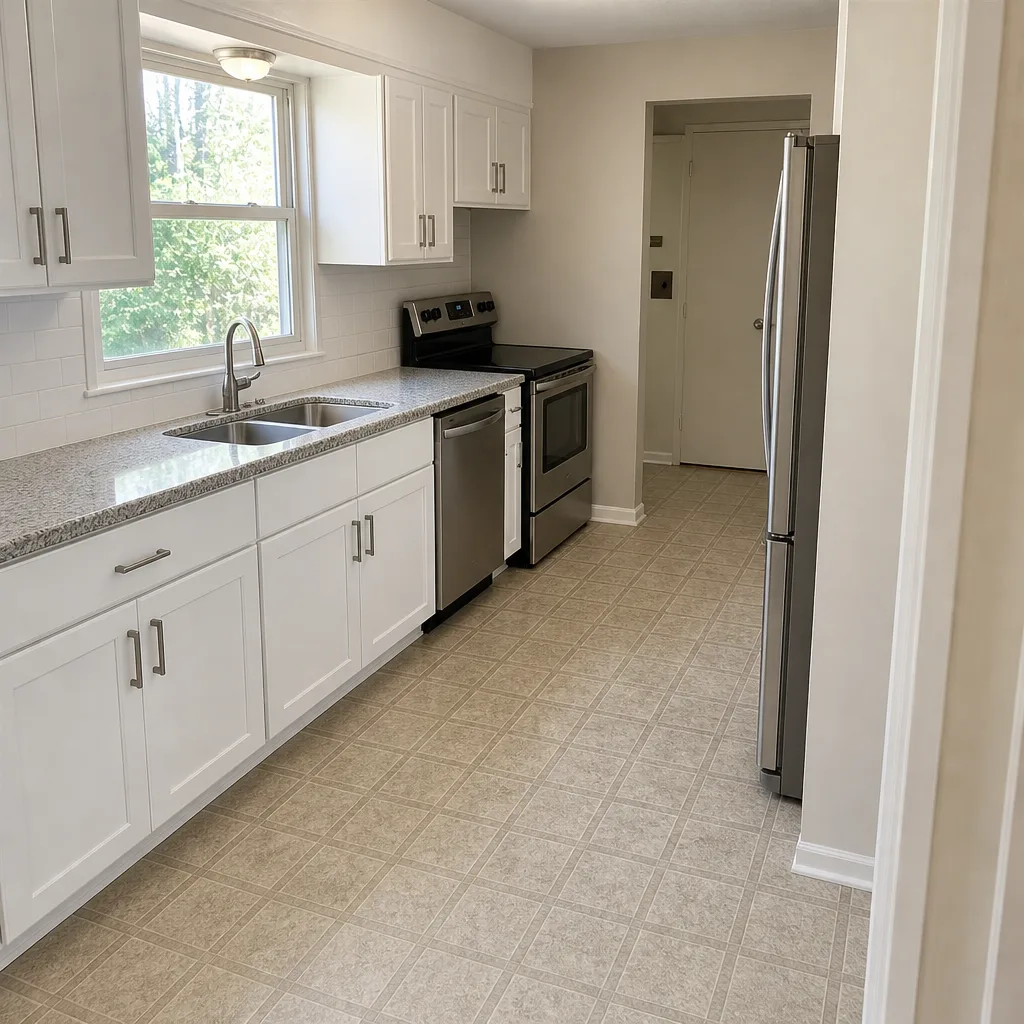 After
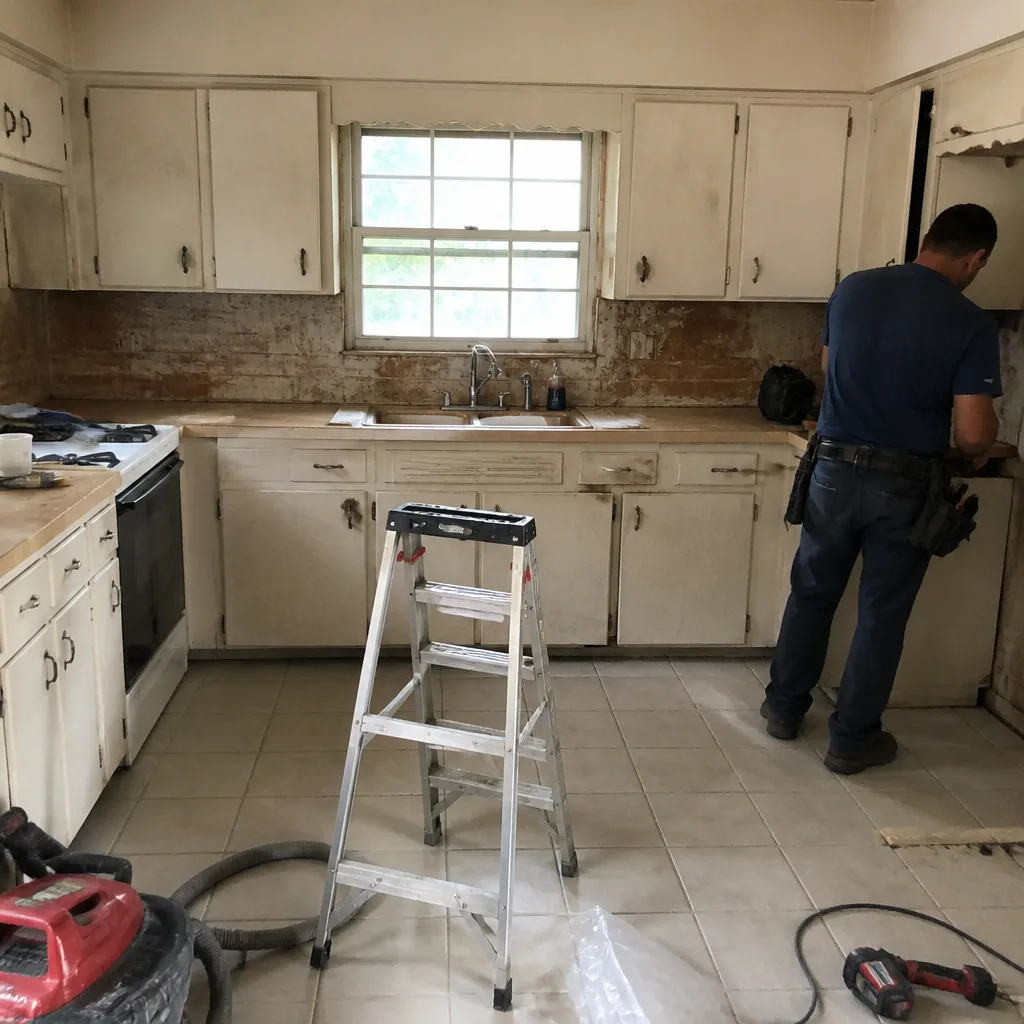 Before
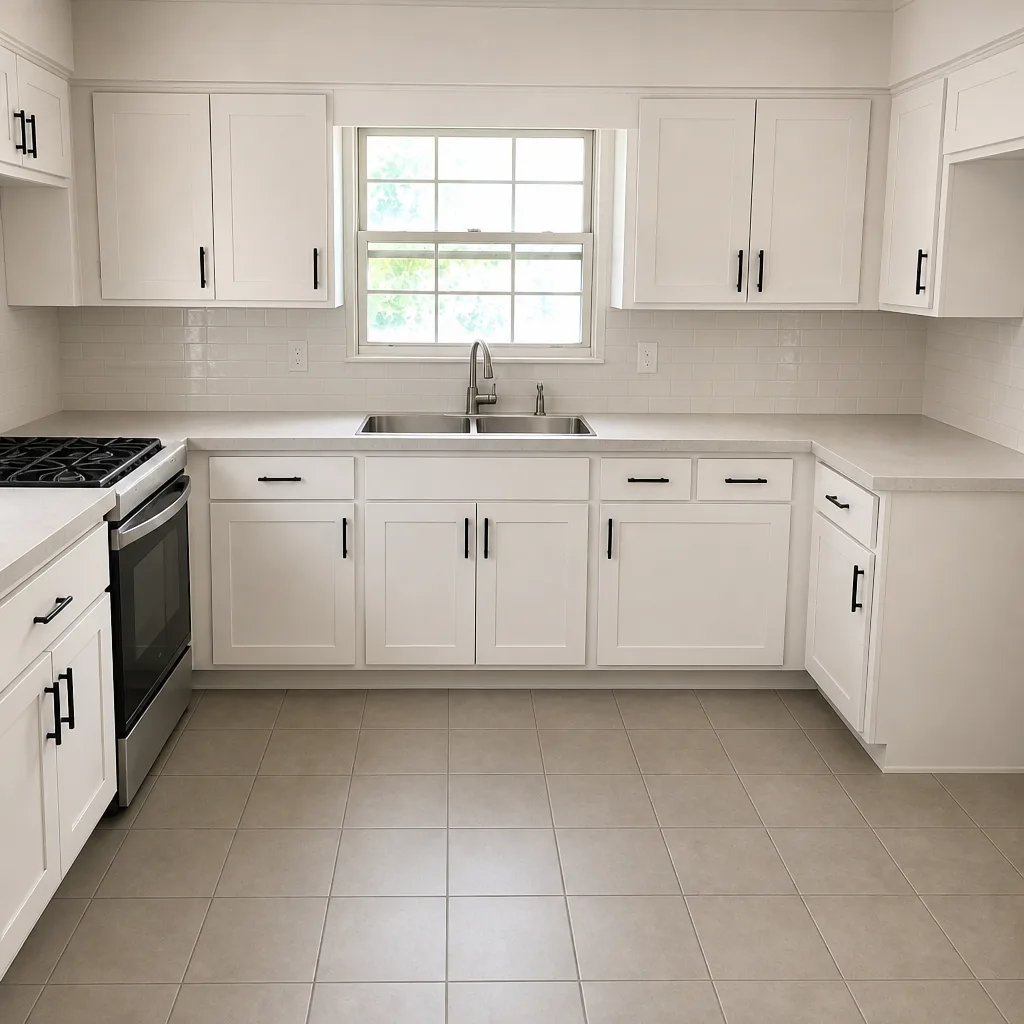 After
Which Westchester neighborhoods and property types see the most permit issues?
Westchester’s housing stock is a mix of single-family homes, many built in the decades when Miami-Dade’s code was far looser than it is today. Older homes with unpermitted prior additions are the most common source of trouble. A homeowner buys a house with a converted garage that was never permitted, and years later discovers it when they refinance.
The neighborhoods with a lot of older single-family stock see this pattern most. Blocks around the Kendall corridor, the areas north of Bird Road, and the streets closer to the Palmetto Expressway tend to have more pre-HVHZ homes, and that’s where open permits and unpermitted work show up most in county records. Newer construction closer to the county line usually has a cleaner permit trail.
The other category that creates friction is ADUs and in-law suites. Miami-Dade allows accessory dwelling units under specific rules, but a lot of homes have informal conversions (a detached garage turned into living space, a storage room with plumbing run to it) that predate current code. If you’re buying a Westchester home with a garage conversion, check the permit history before you close. If you’re building a legitimate ADU, our home additions & ADU team can tell you exactly what the county will require before you commit to a design.
One more Westchester-specific note: the drainage and grading standards have changed over the years, and older driveways and paver installations often didn’t meet today’s requirements when they were built. A driveway replacement is a chance to bring the drainage into compliance, even if the pavers themselves were already in service.
What happens if work fails inspection?
Failing an inspection is not a permanent mark against your property. It’s a correction notice. The inspector identifies what doesn’t meet code, you or your contractor addresses it, and the inspection is called again. The cost comes in the form of a re-inspection fee and the time spent waiting for the next available slot.
The errors that cause most first-time failures are predictable:
- Rough-in covered too soon. Drywall or insulation installed before the rough-in inspection is called in.
- Missing product approvals. A roof or window system installed with materials that don’t match the HVHZ approval on file.
- Scope mismatch. Work done that doesn’t match the approved plans, or plans that weren’t updated after a design change.
- Incomplete drainage. Pavers installed without the grading or drainage details the county required.
- Unapproved electrical changes. A circuit added or moved without updating the electrical plan.
Preventing a failure is mostly about sequencing and paperwork. When we run a job, we schedule the inspection before we schedule the stage that covers it, and we check the product approvals against the permit before ordering materials. A failed inspection isn’t a crisis. A failed inspection on a job that has to wait weeks for a new slot is.
Why the permit rules matter more at resale than at construction
Homeowners usually think about the permit at the start of the project. In our experience, the permit matters most at the end of ownership. A properly permitted and inspected project is an asset you can document. An unpermitted one is a question mark that buyers, appraisers, and insurers all have the right to ask about.
Miami-Dade County’s permit records are public. A buyer’s agent, an appraiser, or an insurer can pull the history on your property and see whether the work that’s visible on site was permitted. When that record doesn’t line up, the burden falls on the seller. You can resolve an open permit, but you can’t resolve a hidden one you didn’t know was there.
The upside is simpler: a closed permit with final inspection sign-off is the cleanest proof a homeowner can have that the work meets code. It’s worth the paperwork.
Common Mistakes to Avoid
- Assuming a state-approved product is HVHZ-approved. Miami-Dade’s HVHZ standard is stricter than the statewide Florida Product Approval system, and a roof or window that passes in Orlando may not pass in Westchester. Check the HVHZ approval number before you buy.
- Letting a contractor “handle the permit” without documentation. Ask for the permit number as soon as it’s issued and confirm it matches the work being done. A verbal “don’t worry about it” is not a permit.
- Covering rough-in before the inspection is called. The single most common cause of a re-inspection fee is drywall installed before the rough-in is signed off.
- Changing the plans on site without a permit revision. A design change mid-build (moving a wall, adding a window, relocating plumbing) requires an updated permit or a revision. The county inspects against the approved plans, not the ones in the contractor’s head.
- Skipping the permit on a fence or driveway because it “seems minor.” Fence height and setback rules and drainage requirements both apply to exterior work, and a fence built over a property line or easement creates a problem that outlasts the fence. If you’re using a fence line like Barrette or Master Halco, the permit fee is the smallest part of the budget.
- Buying a home with an unpermitted garage conversion without checking the record. Check the permit history at the county before closing. A garage-to-living-space conversion that was never permitted can surface at your own refinance years later.
- Letting a permit sit open after the work is finished. A close-out requires a final inspection, and an open permit follows the property, not the contractor. If the final wasn’t scheduled, the job isn’t done on paper, and that’s the version that matters at resale.
When to Call a Professional
Call a professional when the project touches structure, the building envelope, or any system that has to be inspected. That includes roof replacement, window and door changes, bathroom and kitchen remodels, additions, ADUs, and any fence or driveway work that sits near a property line or the right-of-way. In our experience, the projects homeowners get into trouble on are the ones they think of as small: a sliding door replacement, a garage conversion, a bathroom tile job that turns into a plumbing relocation. Any of those can turn into an unpermitted project without the right plan. We manage the permit application, the plan review, the inspection schedule, and the close-out as part of the project. Westchester Construction Co offers free estimates in Westchester. Call (888) 334-0815 and we’ll walk through what your specific project needs.
Frequently Asked Questions
Yes, a bathroom remodel that involves moving plumbing, electrical, or structural elements requires a Miami-Dade County permit. A cosmetic refresh (painting, new fixtures in the same location) may sit under the exemption threshold, but confirm with the county before you start. When in doubt, pull the permit. It costs less than the problems it prevents. Call (888) 334-0815 to talk through your bathroom scope, and we’ll tell you exactly what the county will require.
HVHZ stands for High Velocity Hurricane Zone, a Miami-Dade designation applied to products installed on homes in the county that requires stricter approval than the statewide Florida Product Approval system. It matters because roofing, windows, and doors approved for other parts of Florida may not be approved here. Your contractor needs to verify HVHZ approval on every product before installation.
Florida allows certain homeowner exemptions for work on your own primary residence, but the exemption doesn’t remove the permit requirement or the inspection requirement. Structural work and work done for compensation are generally outside the exemption. Call the county building department with your address and scope to confirm what applies, and if you’re unsure, get a free estimate from a licensed contractor instead.
Timelines vary by project type and submission completeness. A straightforward re-roof or window permit generally moves faster than a structural addition or ADU. In our experience, the biggest time saver is a complete application the first time. Missing approvals or inconsistent plans trigger correction cycles that add weeks. Call (888) 334-0815 and we’ll map the timeline to your project.
Unpermitted work has to be disclosed at sale in Florida, and it will surface during a title search or a buyer’s appraisal. The buyer can require you to permit and inspect the work retroactively, or negotiate the price down. Clearing it before you list is usually the cleaner path.
An ADU typically goes through the same permit process as a home addition because it involves structural work, separate plumbing, and electrical. The county reviews the plans as a full construction project, not as an accessory structure. If you’re planning an ADU in Westchester, start the permit conversation before you finalize the design. Call (888) 334-0815 for a free estimate.
A permit adds time to the front end of a project, and skipping it doesn’t remove the delay. It moves the delay to the back end, where it’s much more expensive to fix. Every permitted project involves a review window and an inspection sequence. Our free estimate includes the realistic timeline, and we schedule inspections as early as the county allows, so nothing sits waiting on a booking.
The Bottom Line
Westchester sits inside Miami-Dade County, and the rules here are stricter than most of the country. That’s not a reason to avoid permits. It’s a reason to plan around them. The permit is what makes the work insurable, financeable, and sellable, and it’s the only thing that confirms an HVHZ roof or impact window is actually approved for this county. Our advice is simple: pull the permit, schedule the inspections in sequence, keep the product approvals on file, and close the permit out when the job finishes. Westchester Construction Co handles all four as part of a free estimate, and our technicians have up to 9 years of experience working with the county’s process.
Ready to price your project? Call (888) 334-0815. We answer 24/7. Fast dispatch from 7am to 7pm, Sunday through Friday. Estimates are free, and every quote is a written line-item estimate with the permit work included.
Written by the team at Westchester Construction Co.