
Last updated November 17, 2026
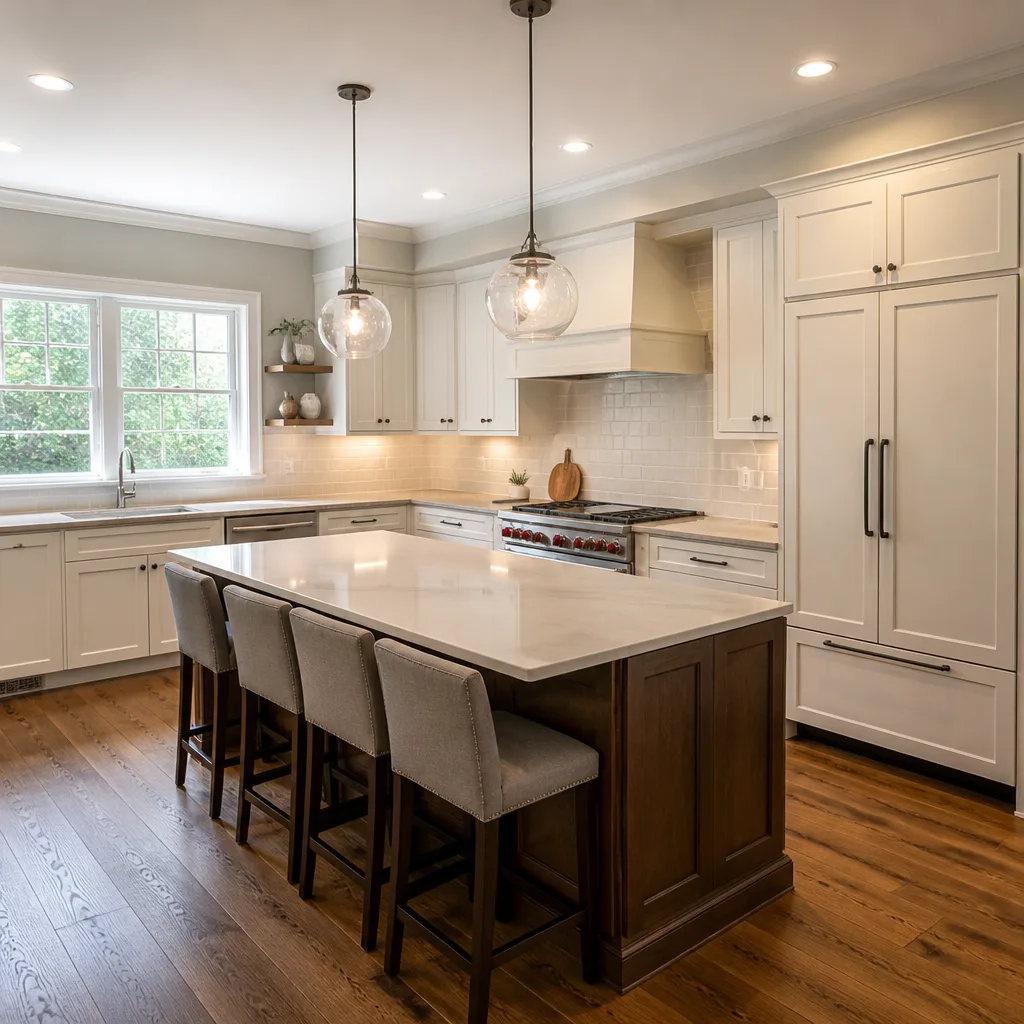 Kitchen remodeling
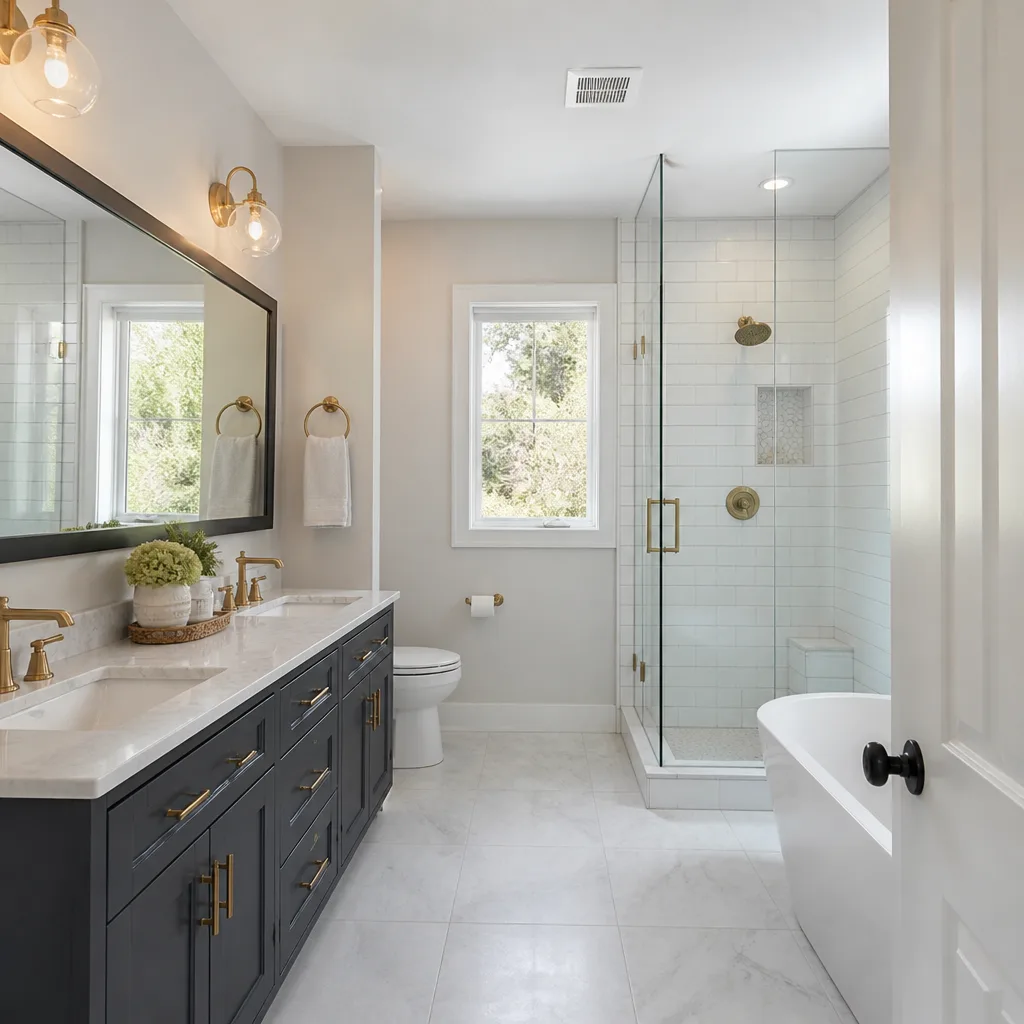 Bathroom remodeling
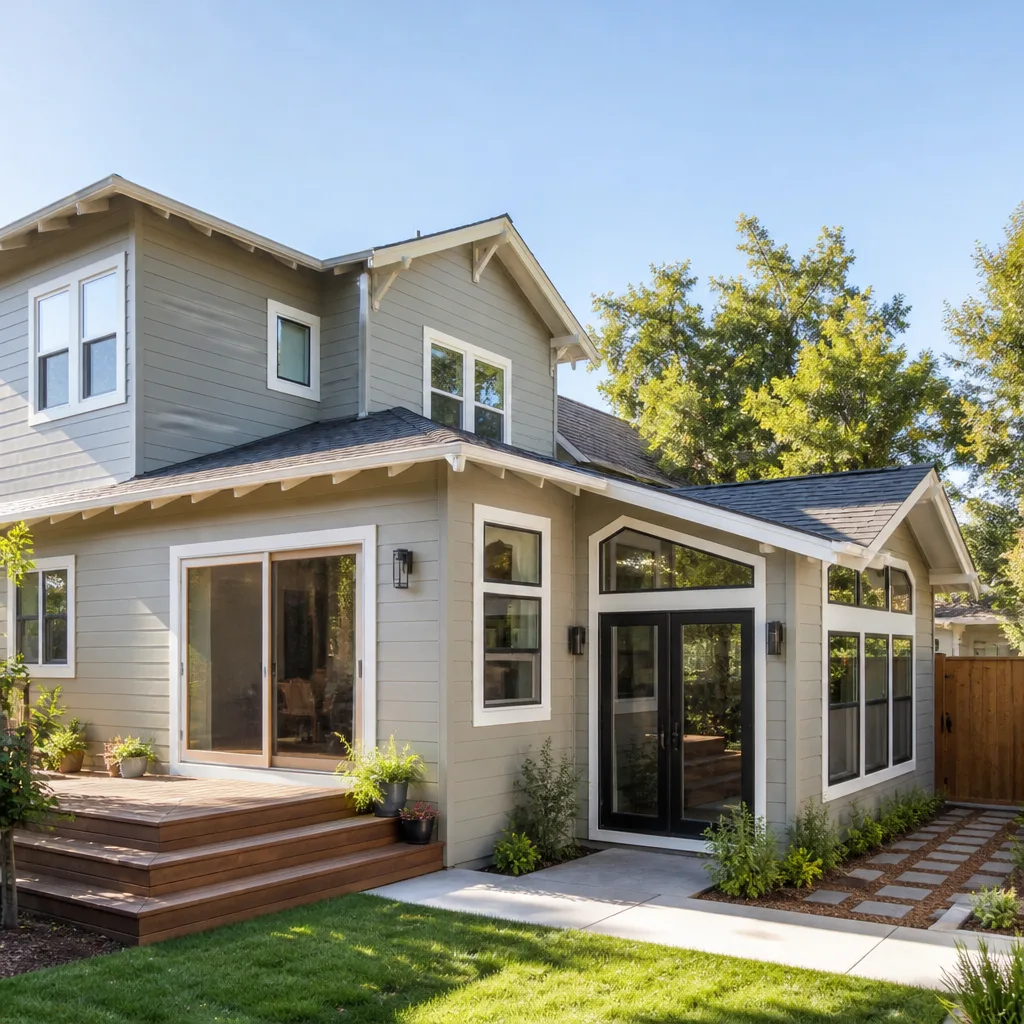 Home additions & ADU
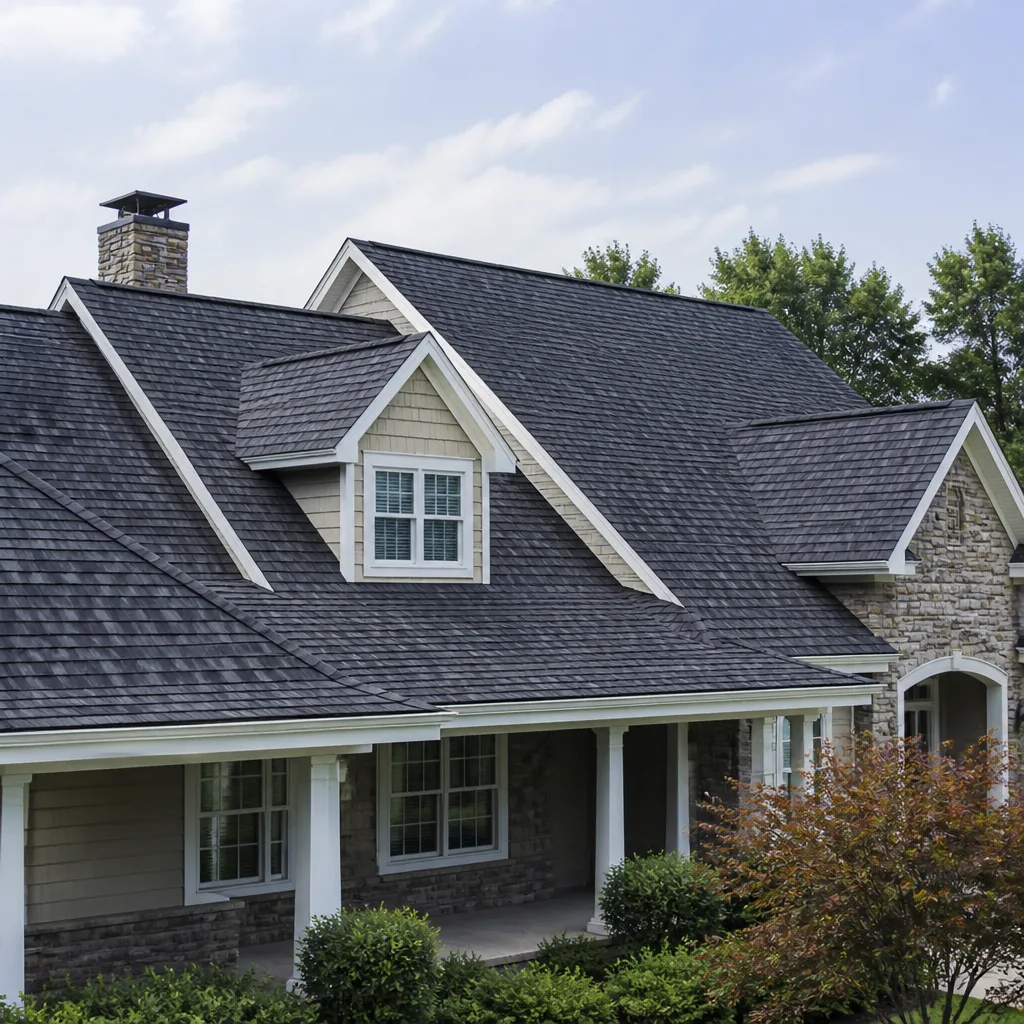 Roofing
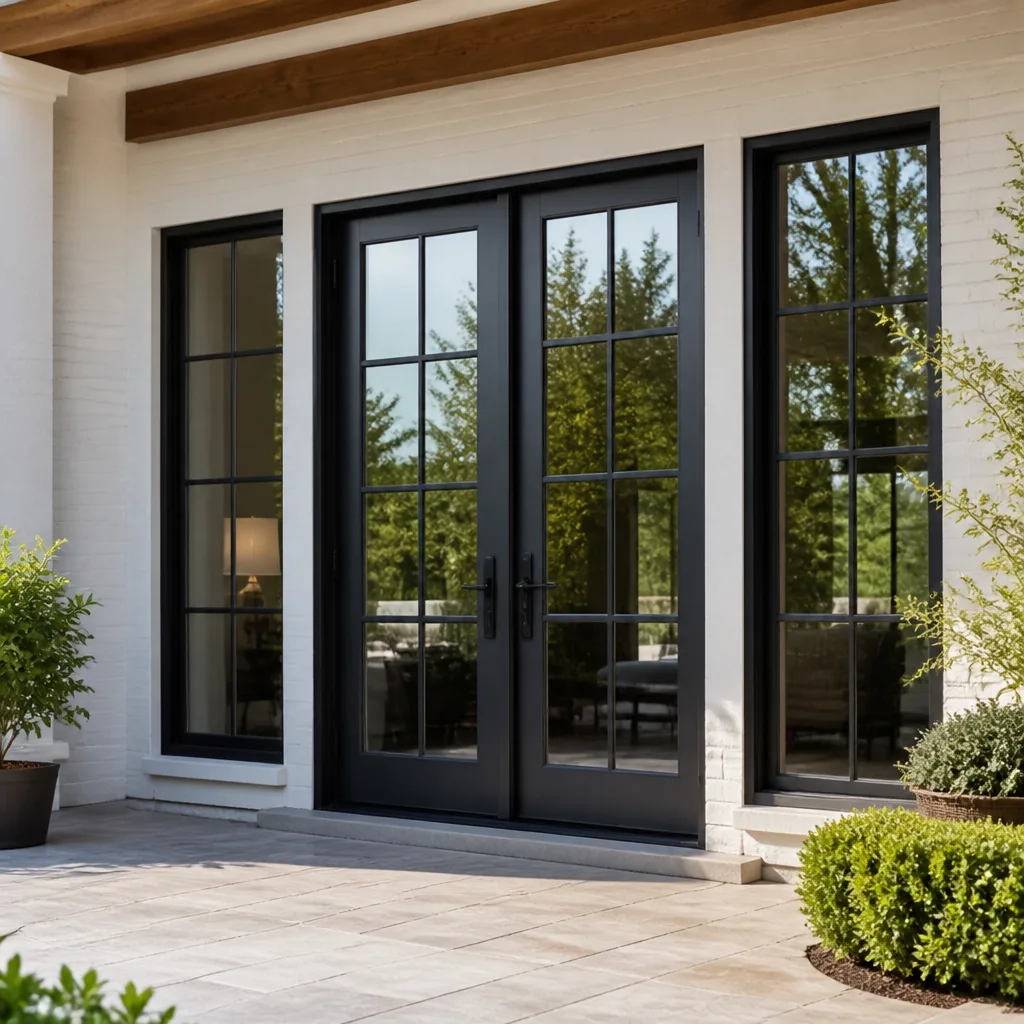 Windows & doors
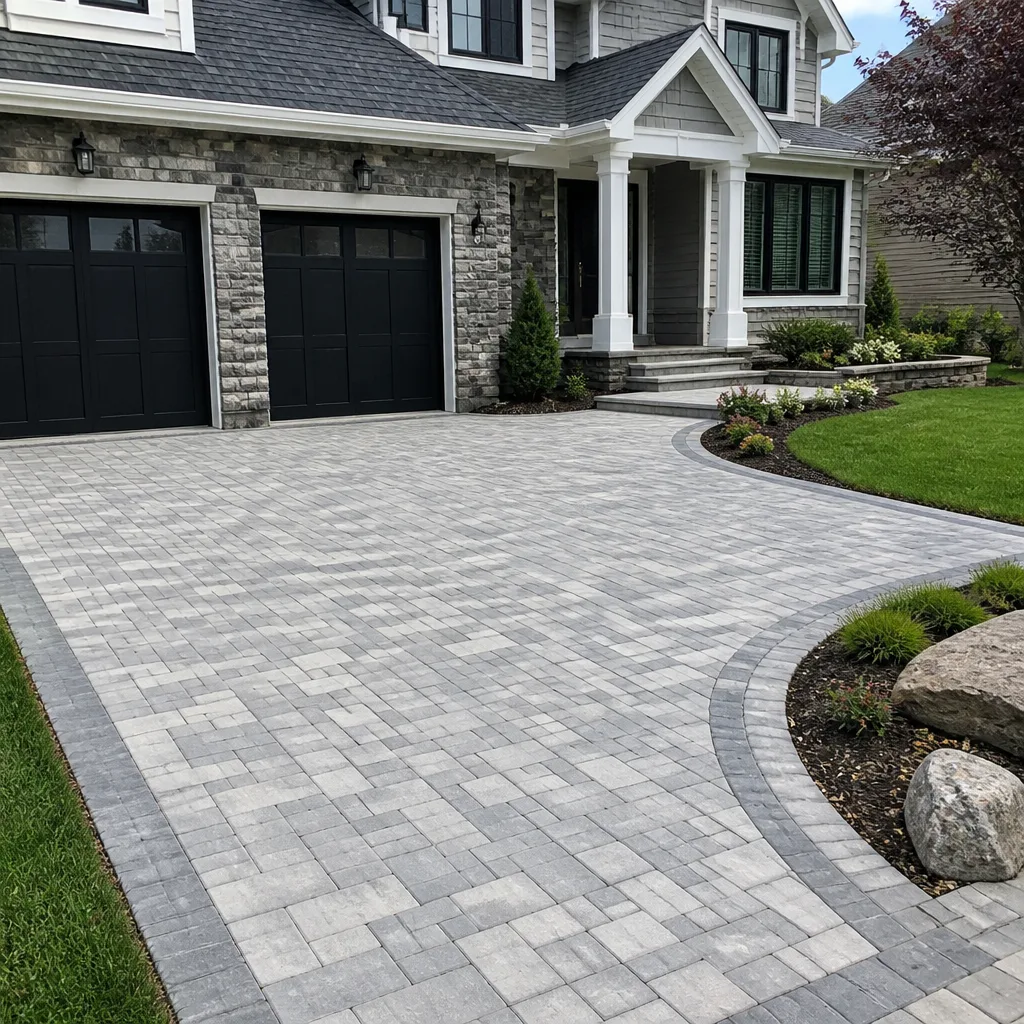 Driveway & pavers
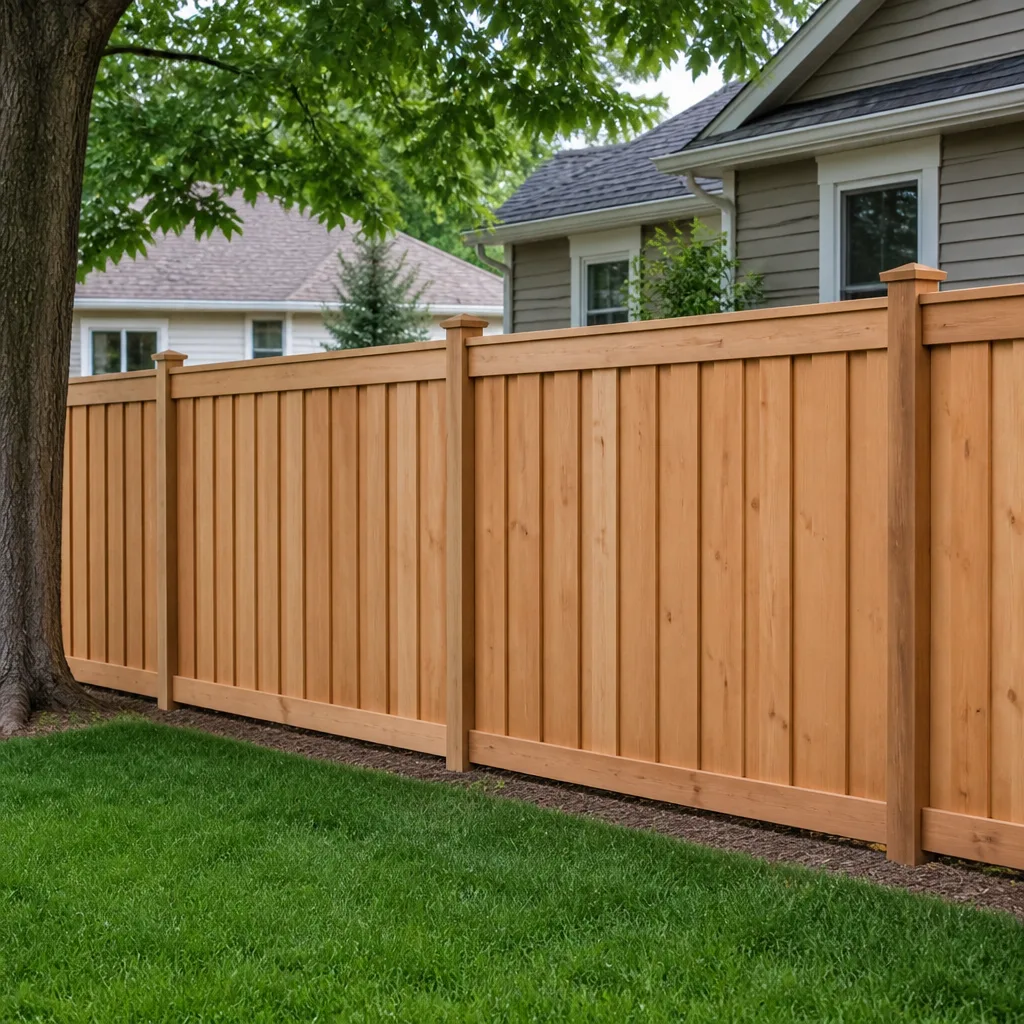 Fence
Free written scope consultation - allowances, timeline, and change-order rules on paper before a single trade is scheduled
Choosing the Right Construction Brand: A Buyer’s Guide for Westchester
You can’t judge a construction brand by the logo on the sample board. A shingle advertised as “Florida-approved” and “wind-rated to 130 mph” may still be non-compliant in Westchester, because Miami-Dade’s High Velocity Hurricane Zone (HVHZ) demands a separate Notice of Acceptance (NOA) that most shingles sold nationwide never earn. The same filter logic applies to windows, cladding, and even fence panels once an HOA review board gets involved. This guide maps which brands actually clear the three real filters – HVHZ approval, HOA architectural guidelines, and warranty transferability – for the projects Westchester homeowners run most often, from roofing and pavers to impact windows and full structural additions.
Quick Answer
The best construction material brands in Westchester are the ones that hold a current Miami-Dade NOA for their specific product line, fit your HOA’s approved palette, and carry a warranty that transfers to the next owner. Names like GAF, Owens Corning, PGT, and Belgard show up repeatedly because they publish product-specific approval documents and maintain warranty programs built around them. A brand that can’t produce its NOA number on request is not a safe starting point in this market, no matter how strong its marketing is.
Styles & brands we work with
- Kitchen remodeling
- Bathroom remodeling
- Home additions & ADU
- Roofing
- Windows & doors
- Driveway & pavers
- Fence
Table of Contents
- The Three Filters That Decide Brand Choice in Westchester
- How to Look Up a Miami-Dade NOA Number
- Roofing Brands Compared: GAF, Owens Corning, Boral, Atlas, Tamko
- Paver Brands Compared: Belgard vs. Tremron
- Impact Window Brands Compared: PGT, CGI, Impact Innovations
- How HOA Architectural Review Boards Handle Brand Substitution
- Spec-Grade vs. Retail-Grade: Same Brand, Different Product
- Warranty Transferability and Why Resale Buyers Care
The Three Filters That Decide Brand Choice in Westchester
Brand selection here is a screening exercise, not a taste exercise. Three filters knock most nationally advertised products out of contention before you ever ask for a sample. The first is Miami-Dade product approval. Anything on an exterior envelope in the HVHZ – roofing, windows, doors, exterior cladding – needs a current NOA issued by the Miami-Dade County Product Control Section. A manufacturer can be perfectly legitimate in another state and still have no Miami-Dade approval for the exact model you’re pricing.
The second filter is your HOA. Many Westchester neighborhoods are governed by architectural review boards that publish an approved color palette, approved material list, and replacement standards. A brand that clears state approval can still be rejected if the panel profile or color isn’t on the association’s list. The third filter is warranty structure. A warranty that stays with the original purchaser dies at resale. One that transfers to the next owner becomes a document your buyer’s agent will ask for.
- Filter one – code: Current Miami-Dade NOA for the specific product, not the brand as a whole.
- Filter two – HOA: Product and color matching the association’s published architectural standards.
- Filter three – warranty: Transferable coverage, documented in writing at installation.
- Filter four – installer authorization: Some manufacturer warranties require installation by a contractor the manufacturer recognizes for that product line.
Run those four checks first. Only after a product clears all of them does price, color, and finish become the deciding factors. At Westchester Construction Co, we run this screening before we hand a client a sample board, because a beautiful product that can’t be permitted is a dead end.
How to Look Up a Miami-Dade NOA Number
A NOA number is a document reference, not a marketing claim. It identifies a specific product, manufacturer, and installation method that the Miami-Dade County Product Control Section has evaluated for use in the HVHZ. When a contractor quotes a product, ask for the NOA number and verify it yourself.
- Ask the contractor or supplier for the NOA number tied to the exact product and model being quoted, not a general marketing line.
- Open the Miami-Dade County product approval database maintained by the Department of Regulatory and Economic Resources.
- Search by NOA number, manufacturer name, or product category.
- Confirm the listed product description matches what’s being installed on your home.
- Check the expiration date – approvals are periodically updated or superseded.
- Check the installation notes, because some NOAs require specific fastener patterns or underlayments.
- Save a copy of the approval page with your project documents.
The database covers the categories that matter for exterior construction here: roofing systems and components, exterior doors, impact and non-impact windows, skylights, exterior cladding, soffits, and a range of shingle, tile, and metal systems. If a product category isn’t in the database at all, that tells you something – often that the product was never submitted for evaluation.
Two practical notes. First, an approval on one model in a product family doesn’t cover a sister model. Second, an installer’s approval and a product’s approval are two separate things. A roofer can be perfectly qualified and still be installing something without the right documentation. Ask for both.
Roofing Brands Compared: GAF, Owens Corning, Boral, Atlas, Tamko
Roofing is where brand confusion is the most expensive. A shingle marketed as “Florida-approved” may carry a Florida product approval number issued by the state, which is a different document from a Miami-Dade NOA. In the HVHZ, you want the Miami-Dade NOA for the specific shingle, tile, or tile system being installed. GAF, Owens Corning, CertainTeed, IKO, Atlas, and Tamko all publish product-specific approval documentation for their lines that qualify, but the number is per product, so it has to be verified line by line.
Boral is a strong example of why category matters. Boral’s presence in this market is largely in roof tile and trim, and tile systems are evaluated as a system – tile, underlayment, and attachment method together – rather than as a shingle count. When you compare a shingle quote against a tile quote, you’re comparing two different approval pathways, not two prices for the same thing.
- GAF: Broad shingle and system offering, with product-specific Miami-Dade documentation on qualifying lines.
- Owens Corning: Comparable shingle coverage, with warranty programs that vary by product tier.
- Atlas and Tamko: Value-oriented lines with qualifying products; check the NOA and the warranty tier together.
- Boral: Roof tile systems, where the underlayment and attachment method are part of the approval.
Roofing work also involves height and structural risk, so this is one category where the installer’s qualifications matter as much as the brand. Our teams approach roofing as a documented system installation, not a stack of bundles.
Paver Brands Compared: Belgard vs. Tremron
Pavers get less regulatory screening than roofing, but they carry a distinct set of brand questions: surface durability, color fade, HOA palette approval, and the engineering of the base under them. Belgard and Tremron are the two names that come up most often on driveways and pool decks here. Both offer pavers suitable for the local climate, and both publish color families that HOAs are more likely to have pre-approved.
In our experience, the difference between a good paver job and a bad one is far less about the brand name than it is about how the base was built. A premium paver on a shallow, poorly compacted base will move and heave; a more affordable paver on a properly engineered base will last. That’s why we treat brand selection and base design as one conversation.
- Belgard: Wide palette, strong HOA recognition, extensive drive and deck profiles.
- Tremron: Solid value-tier alternative with a broad set of paver styles and regional distribution.
- Base engineering: Excavation depth, compaction, and edge restraint matter as much as the product.
- HOA palette: Confirm your color choice against your association’s approved list before ordering.
For a deeper look at how materials and base work together, see our guide to driveway & pavers.
Impact Window Brands Compared: PGT, CGI, Impact Innovations
Impact windows and doors are the single category where brand vetting is most process-driven. PGT, CGI, and Impact Innovations all offer products with Miami-Dade approvals for qualifying models, but the approval applies to the model, size range, and installation method together – not to the brand across the board. A large sliding glass door and a small casement window from the same manufacturer will have separate documentation.
When we’re furnishing a Westchester home with impact windows, we typically compare three things per model: the Miami-Dade approval document, the warranty tier, and the glass and frame system. PGT has broad name recognition and is widely specified. CGI offers competitive products with different frame and glass options. Impact Innovations fills a similar role for certain project types. The right pick usually comes down to the opening sizes and how the window has to be anchored into the wall assembly.
- PGT: Broadly recognized, widely specified on residential replacements and new construction.
- CGI: Solid options across single-hung, casement, and sliding configurations.
- Impact Innovations: Another approval-holding option that can fit where the others are booked or sized out.
- Installation method: A window is approved as a system with its anchoring details, so installer technique is part of the compliance.
For a full walkthrough, see our windows & doors page. For the bigger picture of how window replacement fits into a broader exterior scope, see our notes on home additions & ADU – window selection on a structural project follows a different path than on a replacement.
How HOA Architectural Review Boards Handle Brand Substitution
HOA architectural review boards rarely reject a brand outright. They reject materials that don’t match the association’s published standards, and they need documentation to determine whether a substitute is equivalent. When you ask an ARC to approve a brand substitution, the request that clears fastest includes four things: a product data sheet, the Miami-Dade NOA number for the specific product, a color sample or photograph of the installed product in a comparable setting, and a short written statement from the contractor describing exactly where and how it will be installed.
Requests that stall usually lack one of those four. A homeowner submits a photo of a paver and the letter stalls; a homeowner submits a photo, a spec sheet, an NOA reference, and a description of the application and the letter passes. Same house, same product, different documentation.
- Pull your association’s current architectural standards and confirm the palette or material list you’re working against.
- Confirm your substitute product is on the approved list, or prepare an equivalence argument if it isn’t.
- Assemble the documentation package: data sheet, NOA reference, color sample, and an installation description.
- Submit the package with the formal ARC request form, not as a question at the next meeting.
- Keep the approved request and approval letter with your home records for your own resale file.
Two things worth flagging. First, some associations require a “like-for-like” substitution for roofs, which means the profile and color must match the neighbor’s; that narrows the brand list considerably. Second, fence replacements often face the same rule. Our guide to fence installation covers the typical documentation needed for community fence replacements.
Spec-Grade vs. Retail-Grade: Same Brand, Different Product
The same brand name on a contractor invoice and on a store shelf does not guarantee the same product. Most major manufacturers distribute in tiers: a retail line sold in home centers, a builder or spec line sold through supply yards, and in some categories a premium or architectural line. They can share a logo while differing in material thickness, warranty length, finish system, and available colors.
Three categories where this matters most in Westchester:
- Roofing: Retail-tier asphalt shingles and spec-tier architectural shingles from the same maker often differ in warranty tier, mat weight, and impact performance class. The brand survives; the product category doesn’t.
- Cabinetry: KraftMaid and Wellborn both produce lines at multiple price points. Build construction, drawer box material, and hardware tier shift between them.
- Countertops: Cambria, Silestone, and Caesarstone all produce engineered stone in varying slab thicknesses and edge detail support. Thickness and edge availability matter to the price and to the installer.
When a quote names only the brand and not the product line, ask for the specific product line. If the contractor can’t give it, the price is not comparable to anything.
Warranty Transferability and Why Resale Buyers Care
Two roofs with the same shingle can carry very different warranties on paper depending on how the shingle was sold and registered. Some roofing warranties are registered to the original owner and require an authorized contractor installation – and if either is missing, the coverage drops to a shorter builder-grade term. Others transfer to the next owner, sometimes for the remaining term and sometimes for a shorter tail. That difference affects what a Westchester buyer’s agent sees in the seller’s disclosure package.
Three practical steps to maximize what transfers:
- Confirm in writing whether the warranty is registered to the homeowner or assigned, and whether it transfers to a buyer.
- Ask what installation requirements must be satisfied to keep the warranty in effect (many manufacturer warranties require installation to spec).
- Keep a folder with the NOA documentation, warranty registration, and approved final invoice together. A buyer’s inspector will ask for it, and having it ready shortens the sale.
Seven categories of work we handle – from driveway & pavers through roofing and full remodels – share one warranty lesson: register it, document it, keep it. That habit is why we push buyers to think about warranty transferability at the quote stage rather than at the sale.
Common Mistakes to Avoid
- Treating “Florida-approved” as equal to “Miami-Dade approved.” They’re different documents. Ask for the NOA number specifically.
- Accepting a brand without a product line. “GAF shingles” doesn’t tell you which shingle, and the warranty tier can be dramatically different between lines.
- Ignoring HOA architectural standards until after the product is ordered. A color that’s right for the house can still be wrong for the community, and unapproved installation can require replacement.
- Trusting an installer’s marketing over the manufacturer’s installation requirements. Many warranties require installation to be done in a specified manner; a shortcut can void the coverage.
- Skipping the warranty registration. An unregistered warranty often reverts to a shorter term or a non-transferable form.
- Comparing prices without comparing documentation. Two quotes on the same brand can reflect two different product tiers, two different approval statuses, and two different warranty outcomes.
- Forgetting that exterior and interior brands need a coordinated plan. Mixing exterior finishes with interior products chosen in isolation often leaves visible mismatches, especially on additions and full-home remodels.
See the difference
 Before
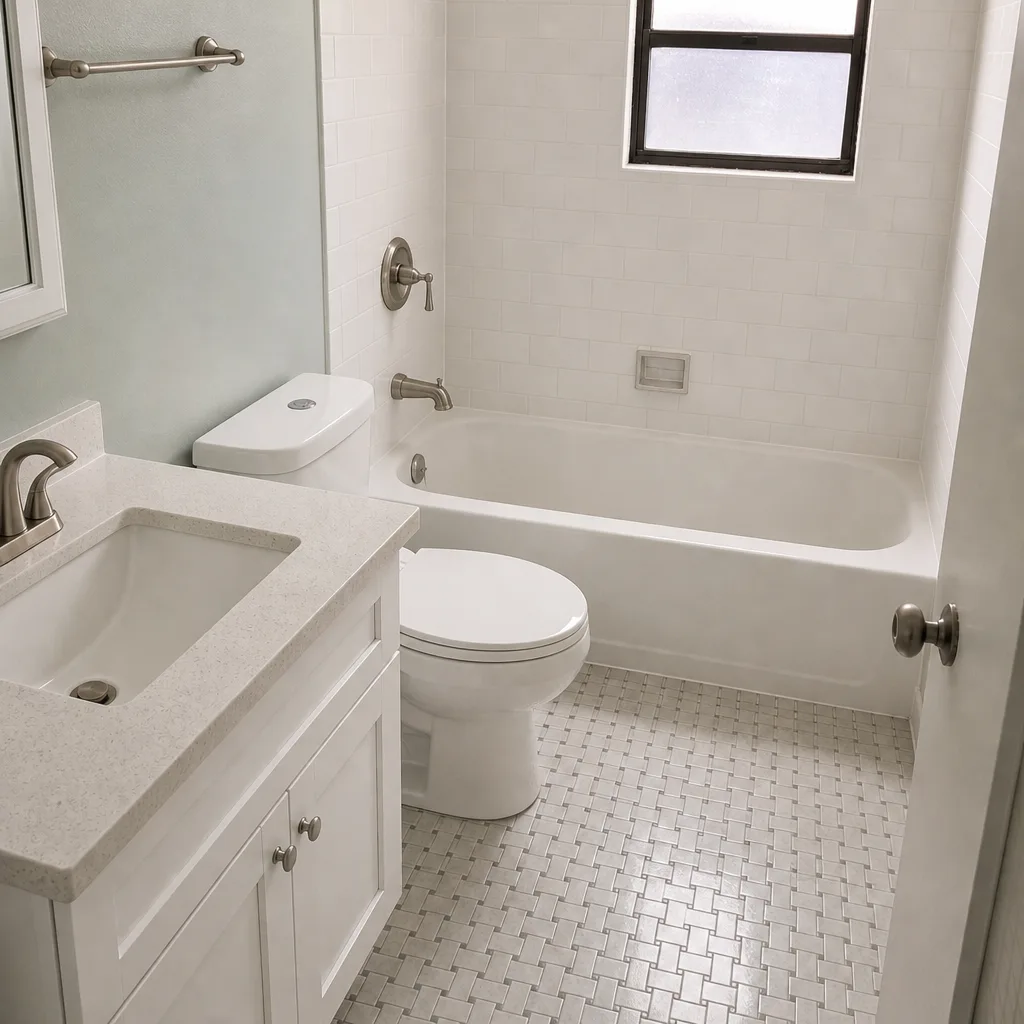 After
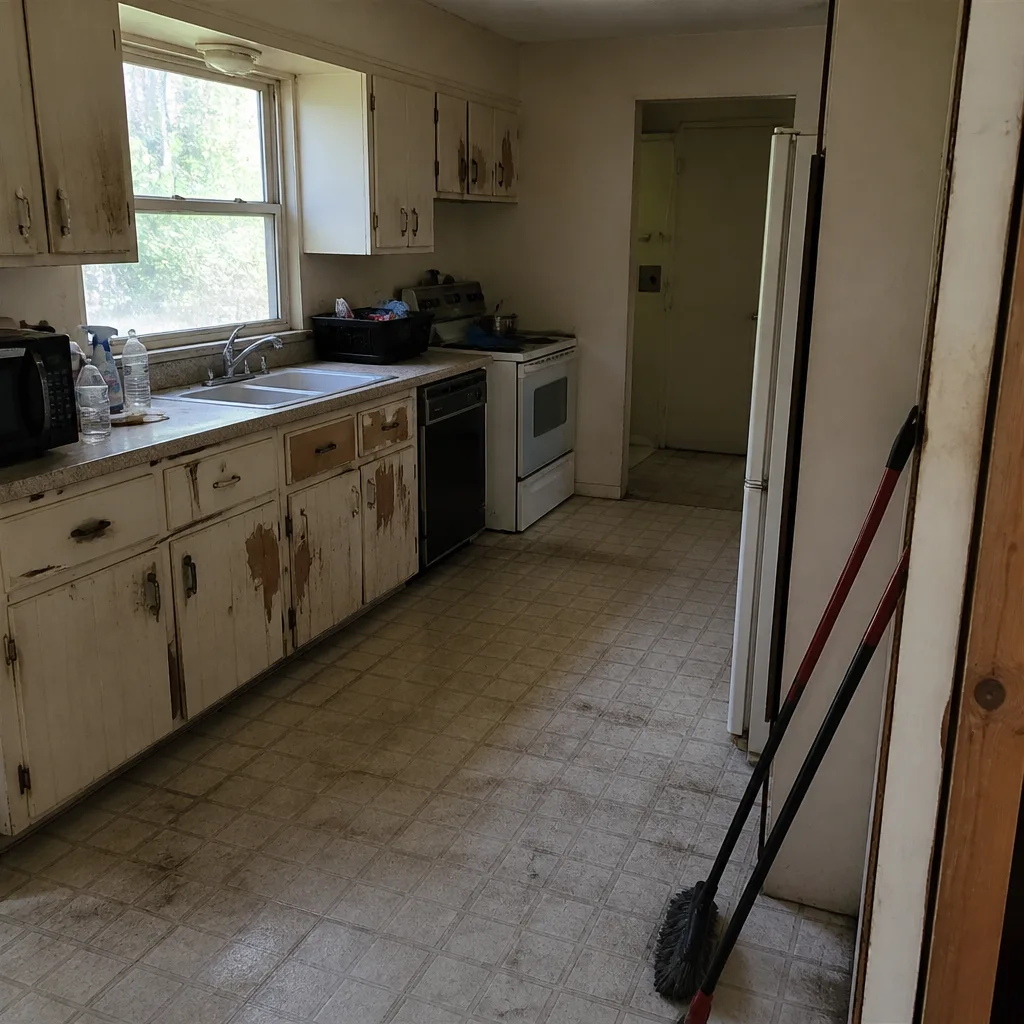 Before
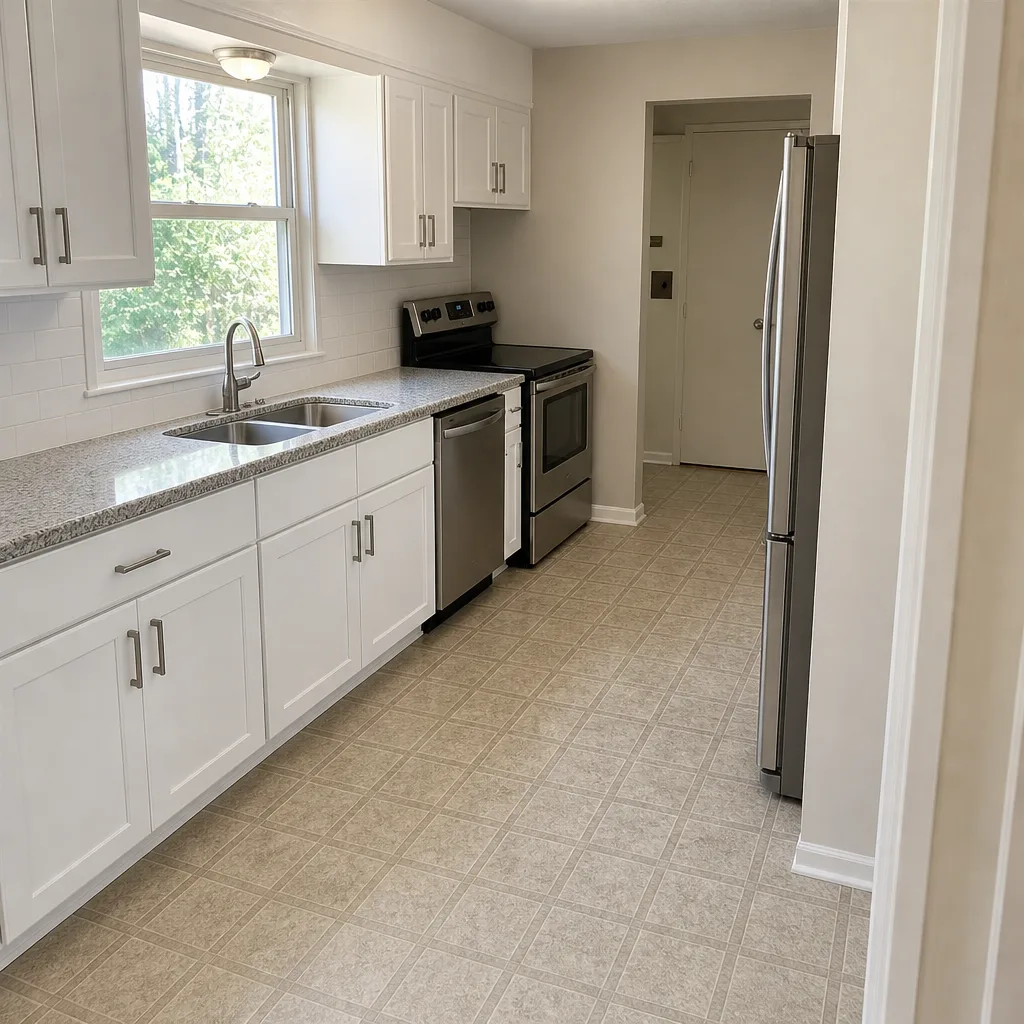 After
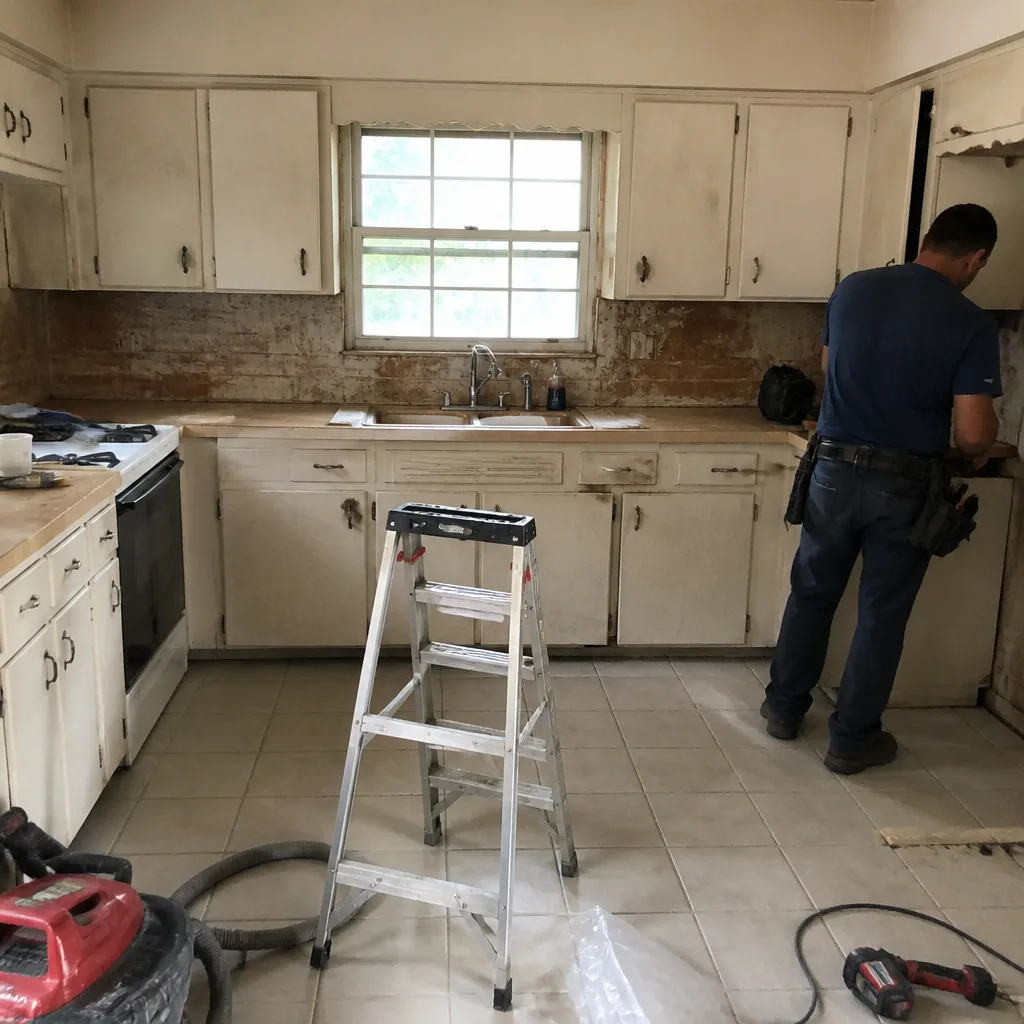 Before
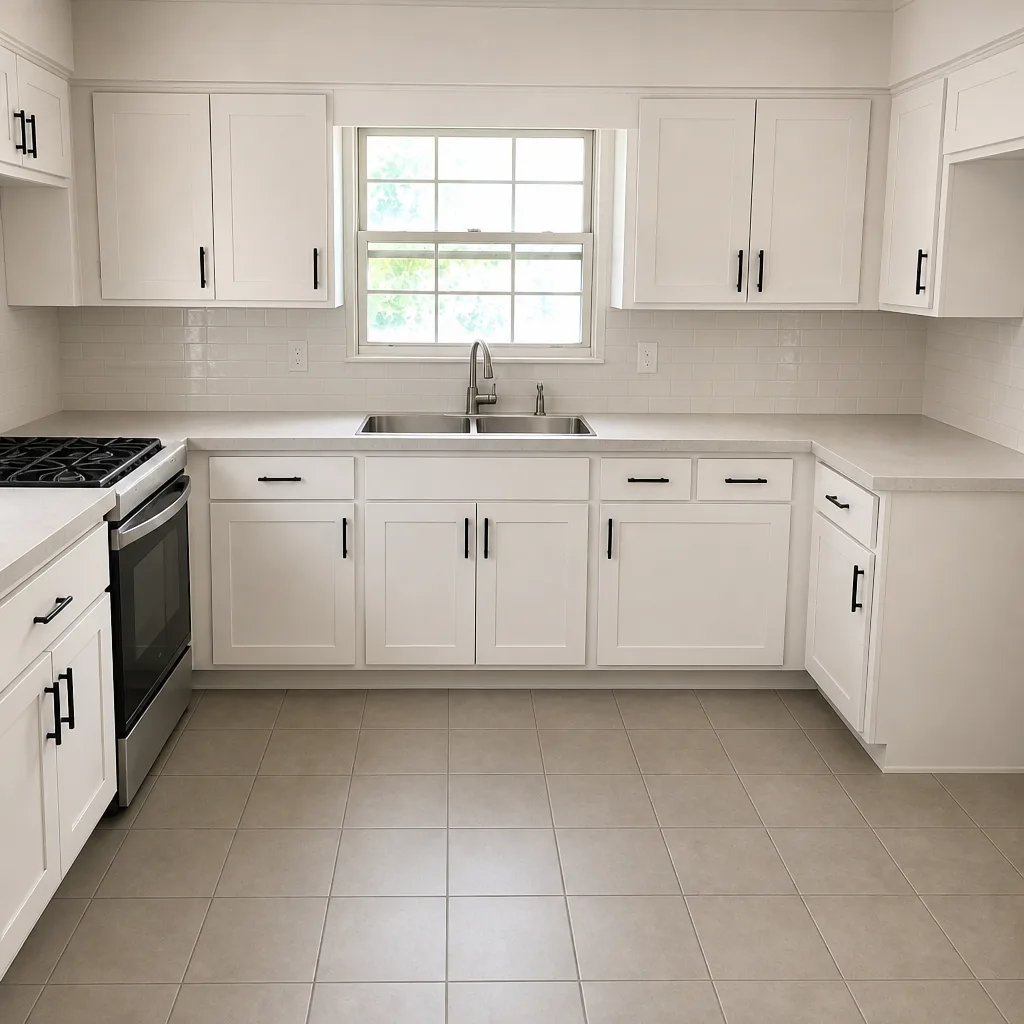 After
When to Call a Professional
Anything that touches the building envelope in Westchester deserves professional documentation. That includes roofs, exterior doors, impact windows, structural additions, and any exterior work where an HOA needs a formal submission. The work that most often goes wrong on a DIY basis is the work that involves approval pathways – a homeowner can sand and paint; a homeowner cannot easily pull a product through Miami-Dade product review or argue an HOA substitution request alone. If your project crosses more than one category – resurfacing the drive and roofing the house, for example, in the same season – the coordination alone justifies a single point of accountability. Westchester Construction Co offers free estimates in Westchester – call (888) 334-0815. We answer 24/7. Fast dispatch from 7am to 7pm, Sunday through Friday.
Frequently Asked Questions
A Miami-Dade NOA is a Notice of Acceptance issued by the county’s Product Control Section that documents a specific product’s compliance for use in the High Velocity Hurricane Zone. It matters because the HVHZ rules what’s approved for exterior installation here, and a brand’s marketing claims don’t substitute for a NOA. Ask for the NOA number tied to your exact product and confirm it in the county database. Call (888) 334-0815 for a free estimate and we’ll walk through it with you.
Neither is universally better; the right pick depends on the specific product lines that carry current Miami-Dade approval, your HOA’s roof standard, and the warranty tier you’re buying. Both manufacturers offer qualifying lines, so the comparison has to happen at the product-line level, not the brand level. Call (888) 334-0815 for a free estimate and we’ll compare qualifying products side by side.
Yes. HOA approval is a separate standard from product approval – Miami-Dade confirms the product is safe to install, and the ARC confirms it meets the community’s architectural standards. If the product isn’t on the association’s approved list, the HOA can still require a comparable substitute. Submit a documentation package with the data sheet, NOA reference, color sample, and installation description to speed the review. Call (888) 334-0815 for a free estimate if you want the package assembled for you.
Not necessarily. Most major manufacturers produce multiple product lines at different tiers – retail, spec, and premium – that can share a brand name while differing in material, warranty, and finish. Ask the contractor for the exact product line in writing. Call (888) 334-0815 for a free estimate with specific product lines named on the quote.
Transferability varies by product line and manufacturer registration process, not by brand alone. Some warranty programs transfer fully to a buyer, some transfer for a shorter remaining term, and some are non-transferable. Ask for the warranty terms in writing and confirm whether the coverage transfers. Call (888) 334-0815 for a free estimate and we’ll flag the transferable tiers before you commit.
They’re approved as different systems. Shingles are approved as individual product and installation pairs, while tile systems are evaluated as tile, underlayment, and attachment method together – often at a higher installed cost and with different maintenance expectations. The right pick depends on your roof structure, HOA standards, and warranty goals. Call (888) 334-0815 for a free estimate on either system.
The Bottom Line
Brand selection for a Westchester construction project isn’t a preference question. Three filters – current Miami-Dade NOA, HOA architectural standards, and transferable warranty – eliminate most nationally marketed products before a sample board is requested. Once a brand clears those filters, the product-line choice, the installer’s documented technique, and the transferable warranty become the deciding factors. Westchester Construction Co works across all seven categories, from driveways and pavers to roofing, windows, additions, and kitchen and bath remodels, with access to name-brand materials at every tier. One contractor, every trade. Call (888) 334-0815 for a free estimate. We answer 24/7. Fast dispatch from 7am to 7pm, Sunday through Friday.
Written by the team at Westchester Construction Co.