
Last updated November 17, 2026
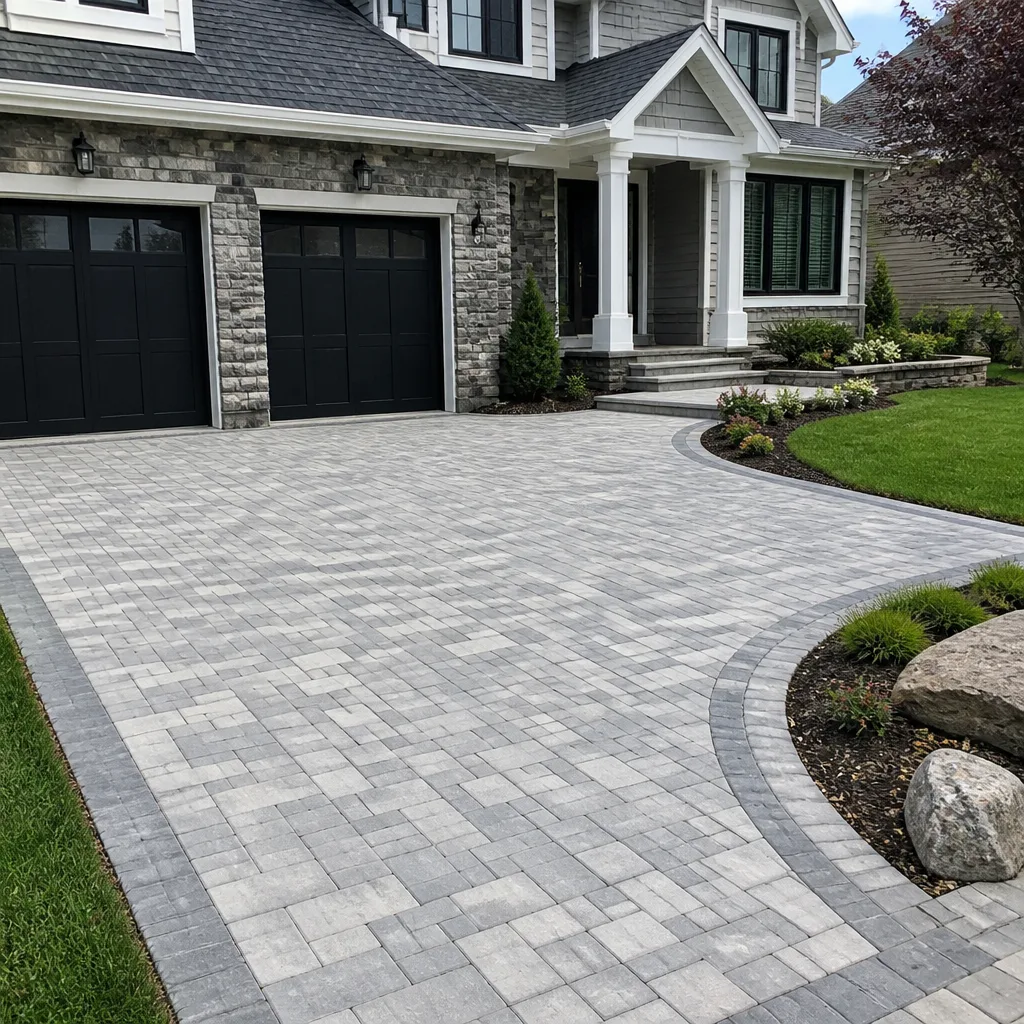 Driveway & pavers
 Kitchen remodeling
 Bathroom remodeling
 Home additions & ADU
 Roofing
 Windows & doors
 Fence
Free written scope consultation - allowances, timeline, and change-order rules on paper before a single trade is scheduled
The Complete Driveway & Pavers Guide for Westchester Homeowners
Most driveway failures in South Florida start six inches underground, not at the surface. The paver style you picked didn’t fail. The compacted base beneath it did. That’s the part nobody photographs and most homeowners never see, and it’s the reason a driveway that looks perfect in March can show rutting, settling, and wobbling edges by the next rainy season. In Westchester, where the soil holds water and the afternoon storms arrive like clockwork, base prep and drainage are the whole ballgame. This guide walks you through the full project sequence – soil, base, slope, paver choice, sealer, and timeline – so the finished driveway actually lasts instead of getting relevelled in a few years.
Quick Answer
A driveway that lasts in Westchester, FL depends far more on what’s under the pavers than on the pavers themselves. That means a deeper, modified compacted base sized for the area’s clay-heavy soil, a slope graded so water runs away from the house, and a paver material matched to how the surface will handle heat, rain, and foot and vehicle loads. Get those three right and almost any quality paver will perform; skip them and even premium pavers will move.
Styles & brands we work with
- Kitchen remodeling
- Bathroom remodeling
- Home additions & ADU
- Roofing
- Windows & doors
- Driveway & pavers
- Fence
Table of Contents
- Why Westchester’s Soil Changes the Whole Project
- Concrete vs. Brick vs. Porcelain Pavers: A Side-by-Side Breakdown
- Reading Your Driveway’s Slope Before a Single Paver Is Set
- Base Prep: The Step That Decides Everything
- Sealer Types: Penetrating vs. Topical in Heavy UV and Rain
- Borders, Edges, and Drainage Working Together
- A Full Project Timeline, Permit to Final Walkthrough
- Keeping a New Driveway Looking New
Why Westchester’s Soil Changes the Whole Project
Westchester sits on soil with a high clay content, and clay behaves very differently from the sandy soils people picture when they think of Florida. Clay holds water. It swells and softens when saturated and shrinks as it dries, and that movement is what pushes a poorly built driveway out of shape. A base that would be fine on well-draining sand can turn into a sponge here, flexing under every tire and letting individual pavers rock loose.
The fix is a deeper, modified base. Standard install specs often assume a thinner layer of compacted aggregate, which works when water drains away quickly. In Westchester, we plan for more depth and for a base material that resists holding moisture, compacted in lifts rather than dumped and smoothed in one pass. Each lift gets compacted before the next goes down, because a single thick layer traps air and never reaches the density the surface needs.
What happens when a contractor skips that step is predictable. The driveway looks great for the first season. Then the soil beneath the base stays wet longer after storms, the base loses compaction, and the pavers start to settle in low spots where water pools. Homeowners often blame the pavers or the sealer. The real problem is six inches down. If you take one thing from this guide, take this: in Westchester, ask about base depth and compaction before you ask about paver color.
We handle this as part of a full driveway & pavers build, where base, drainage, and surface are planned together instead of treated as separate jobs.
Concrete vs. Brick vs. Porcelain Pavers: A Side-by-Side Breakdown
The right paver for your Westchester driveway comes down to three things: how much load it will carry, how much water it will absorb, and how it handles sustained heat and UV. Here’s how the main options compare on those measures. The numbers below are typical ranges for each material class, not a quote for your specific driveway – a written estimate sets your final price.
- Concrete pavers – load capacity in the range suited to residential driveways, low absorption, and strong heat tolerance. A practical, widely available choice, and easy to source in consistent sizes and colors. Bagged base and setting materials from brands like Quikrete and Sakrete are common on these builds.
- Clay brick pavers – high compressive strength and excellent long-term color stability under UV, but a higher absorption rate than concrete or porcelain, which makes sealing more important. Classic look, heavier installation.
- Porcelain pavers – very low absorption and strong fade resistance, which suits the Florida sun well. The trade-off is a more demanding install: porcelain needs a very stable, well-compacted base because it has less give than concrete.
- Stamped or poured concrete – a solid, continuous surface, but it cracks along stress lines and is harder to repair locally than interlocking pavers, where you can lift and reset individual units.
For most Westchester driveways, interlocking concrete pavers from established manufacturers offer the best balance of durability, repairability, and heat performance. If you want the load rating on a specific paver, ask for the manufacturer’s spec sheet – a reputable supplier will provide it. For a full comparison of surface styles for this climate, see our guide to driveway pavers in Westchester.
Material choice also extends to the base and bedding, which is where brands like Oldcastle come into play for aggregate and hardscape products. You choose the brand; we handle the build.
Reading Your Driveway’s Slope Before a Single Paver Is Set
South Florida lots are flat, and flat ground gives water nowhere to go unless you design it a way out. That’s why grading isn’t a finishing touch on a Westchester driveway – it’s the first decision. The surface needs a consistent slope that carries stormwater toward the street, a swale, or a drain, and away from the house foundation.
The general rule of thumb for hardscape is a grade of about 2 percent, meaning roughly a quarter inch of fall per foot, so water moves steadily without running so fast it erodes the edges. On a flat lot, that grade has to be built in deliberately, and it has to stay consistent across the whole run. Localized low spots become puddles, and puddles find their way into base, joints, and eventually the slab beneath.
Here’s how a proper slope review works before any paver goes down:
- Walk the existing grade. Note where water already pools after rain and where it drains now, if anywhere.
- Check the relationship to the house. The driveway must fall away from the structure, never toward it.
- Set the outlet. Decide where water leaves the driveway – street, swale, or a drainage channel – and confirm it can handle the volume from a heavy afternoon storm.
- Build the grade into the base. The slope is formed in the compacted base, not adjusted by tilting pavers at the end.
- Verify before finishing. The grade is checked again before the final compaction pass.
Get the slope wrong and no paver or sealer will save you. The good news is that when base and grading are handled together, the flat-lot challenge becomes routine. If your driveway ties into other exterior work, such as a new fence installation, coordinating the grading across both prevents one project from undoing the other.
Base Prep: The Step That Decides Everything
We’ve said it more than once because it deserves repeating: the base is the driveway. Everything else is the finish. Here’s what good base prep looks like on a Westchester project, from excavation forward.
First comes excavation to the right depth for the paver thickness plus the base layer. On clay-heavy soil, that means digging deeper than a thin standard spec would call for. Next comes the base material itself, chosen for stability and good compaction, spread in layers rather than one thick pour. Each layer is watered to the right moisture content and compacted with a plate or roller until it’s dense and flat.
Then comes the bedding layer that the pavers actually sit on – a thin, level sand course, not a thick cushion. Joint sand goes in last, worked into the gaps and compacted so the pavers lock together as a single surface. A properly built driveway distributes a tire’s load across many pavers through tightly set joints and a dense base, rather than letting any single unit sink.
Two things separate a base that lasts from one that fails:
- Depth and material matched to the clay-heavy soil, not a generic spec.
- Compaction in lifts, with density checked, rather than one quick pass at the end.
When we build a driveway, base, borders, and drainage are laid out as one system, and that’s the coordination advantage of one contractor handling the whole scope. It’s also the reason we can move into structurally complex exterior and interior work such as a home additions & ADU project on the same property without gaps between trades.
Sealer Types: Penetrating vs. Topical in Heavy UV and Rain
Sealer isn’t cosmetic for a Westchester driveway – it’s protection against the two forces that wear a surface here: sustained UV and frequent afternoon rain. There are two broad families, and they behave quite differently.
Penetrating sealers soak into the paver and protect from within. They leave the surface looking natural and don’t build a film, which means they won’t peel or flake. They’re a good fit on clay brick, where managing absorption matters most, and they tend to be more forgiving of the heat and sun.
Topical sealers form a film on the surface. They can deepen color and give a wet-look finish, but a film is more exposed to UV and to wear, and it can need reapplication sooner. On a driveway that takes direct Florida sun, a topical sealer is more likely to show dulling or scuffing over time.
- UV exposure: penetrating sealers resist UV wear better because there’s no film to break down.
- Rain cycles: both help repel water, but film-forming topical sealers are more sensitive to application conditions.
- Maintenance: penetrating sealers generally need reapplication on a longer cycle; topical films need refreshing more often.
- Look: choose topical only if you specifically want the color-enhancing film finish and accept the upkeep.
For most Westchester driveways, a penetrating sealer is the more durable choice. Apply it only after the pavers and base have settled and cured, not the same day the driveway is finished.
Borders, Edges, and Drainage Working Together
A driveway’s edges are where movement starts. Loose pavers almost always begin at the border, where there’s nothing holding the field of pavers in tension. That’s why a proper build includes a restraint edge – a solid border or edge restraint – that keeps the whole surface locked and prevents the outer course from spreading under load.
Borders also help with grading. A defined edge gives water a clear line to follow toward the drainage outlet and keeps the driveway and the lawn from fighting over where runoff goes. If your driveway meets a planted area or a new fence line, the border and the grading need to be coordinated, so the water runs past the fence and not under it. That’s the kind of cross-trade detail that gets missed when separate contractors handle each piece. One contractor, every trade means the driveway edge, the drainage outlet, and the fence base are set as one plan.
Drainage options worth discussing for a Westchester build include a slight swale along the edge, a channel drain at the low point, or a graded tie-in to the street, depending on your lot. The right choice comes from walking the property, not from a standard package.
A Full Project Timeline, Permit to Final Walkthrough
A full driveway build is a sequence, and each step depends on the one before it. Here’s how a project runs when one contractor handles base, borders, and drainage together. Timelines vary with size, access, and weather, so treat these as the order of work rather than fixed dates.
- Site visit and estimate. We walk the property, measure, note the soil and existing grade, and give you a written line-item estimate. This is free.
- Permit and planning. Most cities require a permit for driveway work that affects grading or the public right-of-way, so we confirm the local building department’s requirements and pull what’s required. Permits are pulled and inspections passed as part of the scope.
- Excavation. Old surface and soil are removed to the depth the base requires on clay-heavy ground.
- Base and compaction. The modified base goes down in compacted lifts, with the grade formed as it’s built.
- Drainage and borders. Edge restraint, drainage channels or swales, and the outlet are set before the paver field.
- Paver installation. Pavers are laid in the chosen pattern, with borders and cuts finished.
- Joint sand and final compaction. Joint sand is worked in and the whole surface is compacted to lock it.
- Sealer (once cured). The sealer goes on after the surface has settled.
- Final walkthrough. We walk the finished driveway with you, check the grade and edges, and hand over the care notes.
Once the site and estimate are set, the physical work usually runs several days for a typical residential driveway, with curing and scheduling adding time. Weather can shift the calendar – heavy afternoon storms pause work, as they do on any site here. The written estimate lays out the scope, so there are no surprise change orders.
Keeping a New Driveway Looking New
A well-built driveway asks for very little, but a few habits extend its life. Keep joints filled with sand, since missing joint sand lets water into the base. Rinse off debris and any oil spots promptly rather than letting them soak in. Watch for weeds in the joints, which signal gaps that need topping off. When the surface starts to lose its water repellency – water soaks in instead of beading – it’s time to reseal. Mixing a stiff paver sealer with a soft base won’t help; the base is what holds. If your driveway ties into a broader exterior refresh, from the driveway to the kitchen, our team at Westchester Construction Co handles the whole scope with a single point of accountability. And for the rest of the home’s exterior work, we carry the same name-brand access.
Common Mistakes to Avoid
- Choosing pavers before checking the base plan. A beautiful paver on a shallow base still fails. Ask about base depth and compaction first.
- Using a standard spec on clay-heavy soil. A base sized for well-draining sand is too thin here, and it will soften and settle after the first wet season.
- Ignoring the flat-lot slope. On flat Westchester lots, a driveway with no consistent fall grows puddles that work into joints and base.
- Compacting the base in one thick pass. Density comes from compaction in thin lifts, not one quick run over the top.
- Mismatched trades. When the driveway, the fence, and the grading are handled by different contractors, the drainage often ends up pointing in a different direction than the plan.
- Sealing too soon. Sealer applied the same day a driveway is finished traps moisture and doesn’t adhere properly. Wait for the surface to settle and cure.
- Choosing a topical sealer for the look and forgetting the upkeep. In heavy UV, film-forming sealers need refreshing more often than penetrating ones.
See the difference
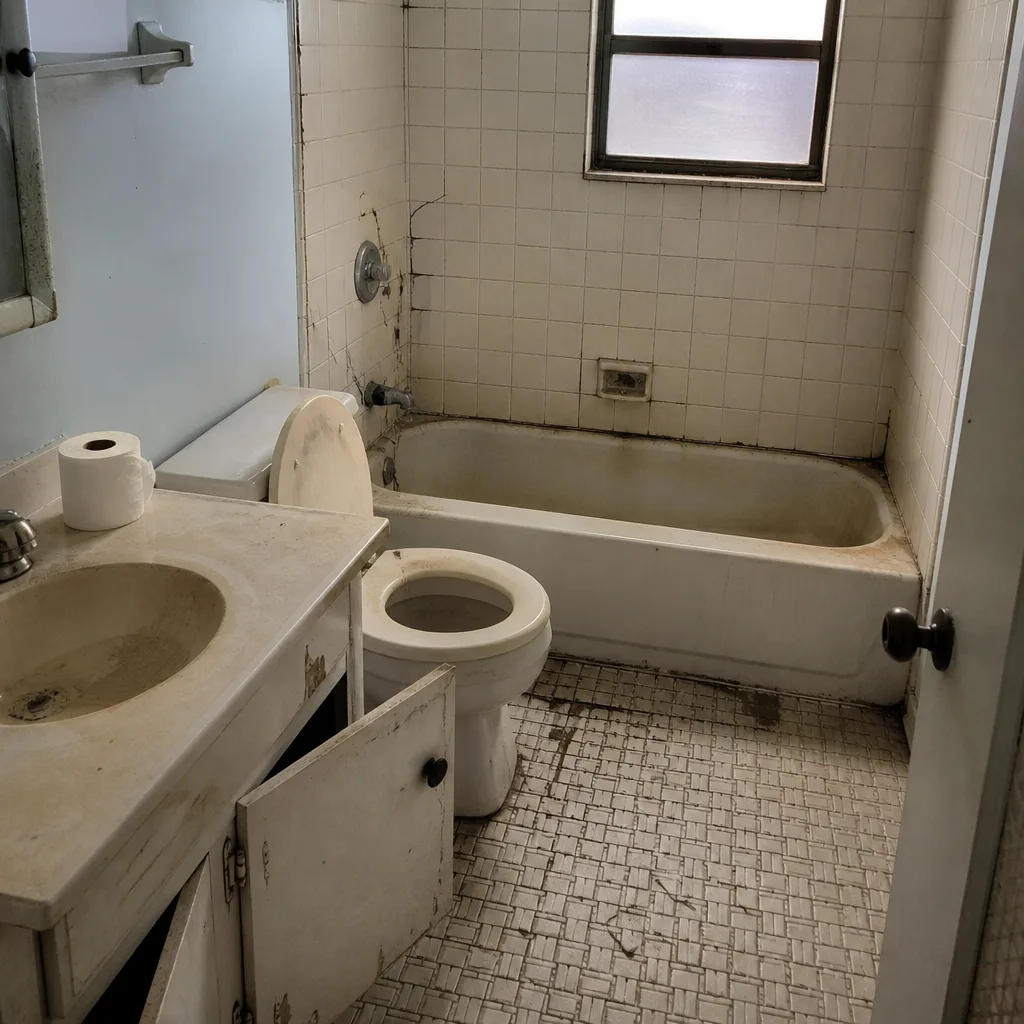 Before
 After
 Before
 After
 Before
 After
When to Call a Professional
Some driveway issues are cosmetic and easy. Others are structural and get worse with every rain. Call us when pavers are rocking or settling in a spot that keeps coming back, when water pools against the house after storms, when the border is spreading or the edges are opening up, or when you’re planning a full replacement and need the base and grading designed correctly from the start. If a contractor’s estimate quotes pavers without mentioning base depth, compaction, or drainage, get a second look. Westchester Construction Co offers free estimates in Westchester – call (888) 334-0815. Our technicians have up to 9 years of experience, and you get a written line-item quote with fixed pricing and no change orders.
Frequently Asked Questions
A paver driveway is priced per job and by material, size, and base requirements, so the written estimate sets your final price. Because Westchester’s clay-heavy soil needs a deeper, modified base, the base portion carries real weight in the total, and that’s the part a cheap quote tends to skip. Call (888) 334-0815 for an exact quote – estimates are free.
Most failures start in the base, not the surface. On clay-heavy soil, a base that’s too thin or under-compacted holds water, loses density, and lets pavers settle in low spots. The paver you chose didn’t fail; the compacted layer beneath it did.
Most cities require a permit for driveway work that affects grading or the public right-of-way, so ask your city’s building department what applies to your lot. When we handle the project, permits are pulled and inspections passed as part of the scope. Call (888) 334-0815 to talk through your project.
Penetrating sealer is usually the more durable pick here because it leaves no film to break down under heavy UV, which suits the sun and afternoon rain. Topical sealers give a deeper color finish but need more frequent refreshing. For an exact quote on sealing, call (888) 334-0815.
Once the estimate and permit stage are set, the physical work usually runs several days for a typical residential driveway, with curing and weather adding time. Afternoon storms can shift the schedule, as on any site in this climate. Call (888) 334-0815 for a timeline on your specific driveway.
No. Your written line-item estimate is the price, with fixed pricing and no surprise change orders. If the scope has to change for a reason we find after work begins, we discuss it with you before anything proceeds. Call (888) 334-0815 to schedule your free estimate.
The Bottom Line
A Westchester driveway that lasts is built from the ground up. The clay-heavy soil needs a deeper, modified base, compacted in lifts. Flat lots need a purpose-built slope so water has somewhere to go. The paver you choose matters, but it matters second, and a penetrating sealer protects the finish against heavy sun and rain. When base, borders, and drainage are planned as one system by one contractor, the finished driveway performs instead of getting relevelled in a few years. That’s the difference between a surface and a foundation. For a free estimate on a driveway done right, driveway & pavers work starts with a call.
Ready to plan your Westchester driveway? Call (888) 334-0815 for a free estimate. We answer 24/7. Fast dispatch from 7am to 7pm, Sunday through Friday.
Written by the team at Westchester Construction Co.