
Last updated November 17, 2026
 Home additions & ADU
 Kitchen remodeling
 Bathroom remodeling
 Roofing
 Windows & doors
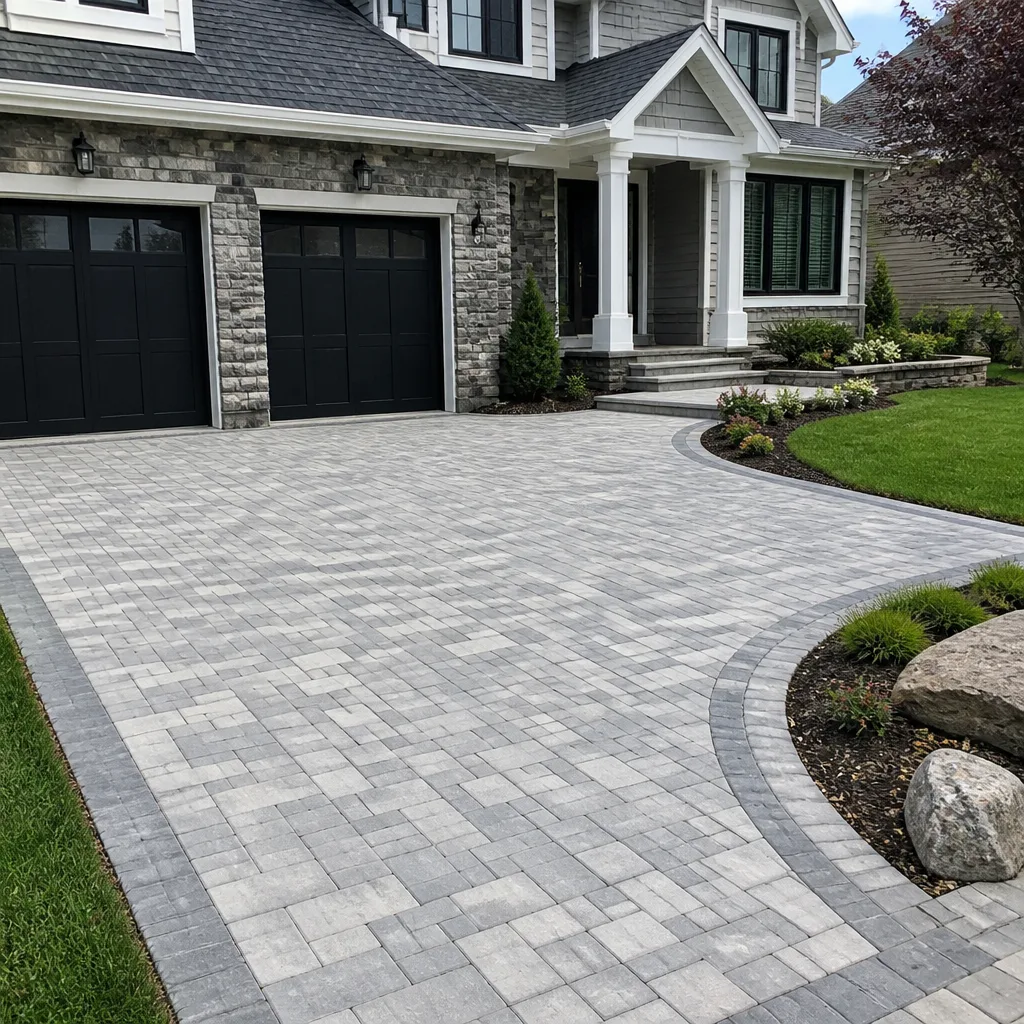 Driveway & pavers
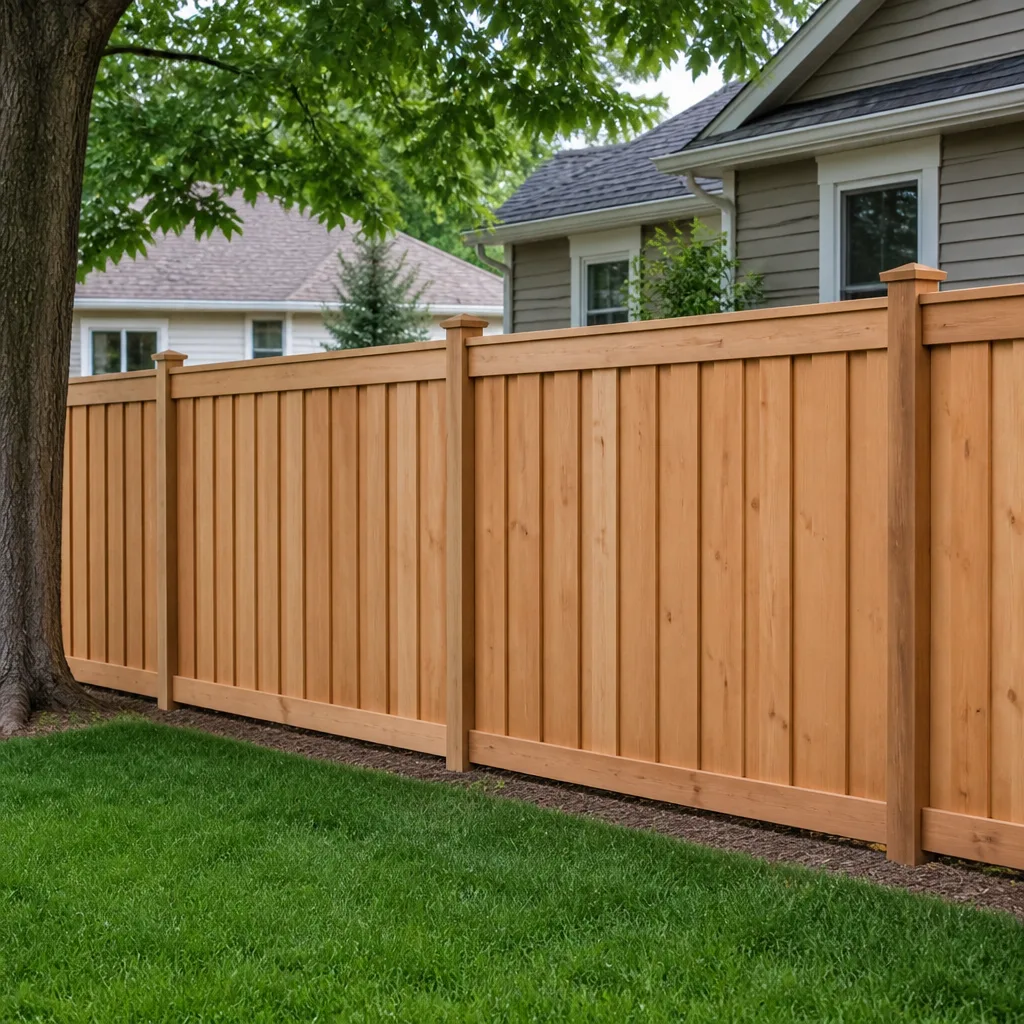 Fence
Free written scope consultation - allowances, timeline, and change-order rules on paper before a single trade is scheduled
Seasonal Construction Care for Westchester: Year-Round Homeowner’s Guide
Most South Florida roofing failures don’t start with a hurricane. They start in a dry April afternoon nobody spent on the roof. By the time the June and July rains settle in for six weeks of steady moisture, every cracked sealant joint, lifted shingle tab and clogged gutter has had weeks to work water into places it should never reach. The fix that costs a few hundred dollars in the dry season becomes a much bigger project by August. Westchester has a rhythm, and homes that follow it stay ahead. This guide lays out that rhythm month by month, trade by trade, so you can plan repairs and projects around the weather instead of reacting to it.
Quick Answer
Home maintenance in Westchester runs on two seasons, not four: a dry season from roughly November through March, when you should do exterior painting, driveway sealing, fence work and break ground on additions or ADUs, and a wet season from June through September, when you inspect, document and monitor instead of starting vulnerable exterior work. The six to eight weeks of April and May are the critical prep window – roof, gutters, caulk and drainage grading need attention before the first sustained rains arrive.
Styles & brands we work with
- Kitchen remodeling
- Bathroom remodeling
- Home additions & ADU
- Roofing
- Windows & doors
- Driveway & pavers
- Fence
Table of Contents
- Why Westchester Has Two Seasons, Not Four
- The Pre-Wet-Season Checklist: April and May
- What to Monitor During the Rainy Season (June through September)
- Post-Storm Inspection: Tree Canopy and Impact Points
- The Dry-Season Project Window: November through March
- Pulling Permits and Ordering Materials Before the Weather Turns
- Year-Round Care, Trade by Trade
- Common Mistakes to Avoid
Why Westchester Has Two Seasons, Not Four
If you moved here from a climate with distinct spring, summer, fall and winter, your maintenance calendar may still be built around that old pattern. It doesn’t fit Westchester. What you actually get is a wet season and a dry season, and the projects that hold up in one will fail in the other.
The practical result is that timing matters as much as the work itself. An exterior paint job started in the wrong month can blister and peel within a single wet season because moisture trapped under the coating has nowhere to go. A driveway sealant applied ahead of heavy rain can wash out before it cures. A fence installed during a saturated stretch of ground can shift before its posts fully set. None of these are material failures – they’re scheduling failures.
Once you plan around two seasons instead of four, the calendar gets simpler, not harder. Here’s the split we use when we’re advising Westchester homeowners on when to launch which project:
- Dry season (roughly November through March): the window for exterior painting, driveway sealing and resurfacing, fence installation or replacement, roof replacement and window and door installation. It’s also when you want to break ground on home additions & ADU projects so foundation and framing work isn’t fighting constant rain.
- Pre-wet window (April into May): the inspection and prep period. Clean gutters, re-seal exterior joints, check roof flashing, walk the grading around the foundation. This is the highest-return work of the entire year.
- Wet season (June through September): interior projects move to the front – kitchen remodeling, bathroom work, interior trim and flooring. Exterior monitoring continues, but you don’t start a project that needs consistent dry days to cure.
Treat that calendar as a starting point rather than a rulebook. Westchester’s wet season has its own personality from year to year, and a homeowner who tracks their own property’s behavior will always make better calls than one following a generic checklist.
The Pre-Wet-Season Checklist: April and May
The six to eight weeks before the wet season settle in are when a little attention goes further than at any other point in the year. Every task below is designed to catch the small issue before it becomes a wet-season leak, a drainage problem or a wood-rot repair.
- Walk the roof from the ground first. Binoculars will tell you a lot: lifted shingles, missing granules, dark staining near flashing, rust at nail heads. If anything looks questionable, get a roofer up there for a closer look rather than climbing yourself. Roofs are the highest-risk surface on the home to inspect from on top.
- Clear and test every gutter and downspout. Plant debris and matted leaf matter in a Westchester gutter hold water against the fascia and backing. Flush each downspout and confirm it dumps water at least several feet from the foundation – not into a puddle right at the wall.
- Re-caulk exterior joints. Windows, doors, plumbing and electrical penetrations, and the joint where siding or stucco meets concrete. Old caulk that’s shrunk or cracked is one of the most common entry points for wind-driven rain once the season starts. This is a modest job in April and a much bigger one in July.
- Check grading and drainage. Water should slope away from the house, not pool against it. Look for settled low spots, sunken swales and gutters that empty into grade that doesn’t drain anywhere.
- Inspect exterior wood and fencing. Gates, fence rails and posts, deck boards and window trim take a beating through a wet season. Loose posts, soft spots and grey, dried-out wood are all worth addressing now.
- Test windows and doors for seal tightness. A draft now will be a wet-season leak risk later. Check weatherstripping and hinge hardware; older windows with failed seals should be flagged for replacement before the rains arrive.
- Book dry-season projects before the calendars fill. Contractors working exterior schedules in a two-season climate get booked quickly once the dry window opens. Early booking in the spring is how you launch on the first dry week instead of the middle of the wet season.
None of those steps is expensive, and together they represent the highest-return maintenance hours on the Westchester calendar. Do them every year and the wet season gets boring – which is exactly what you want.
What to Monitor During the Rainy Season (June through September)
Once the rains start, the job changes. You’re not repairing anymore; you’re observing, recording and getting ready. Attempting to repair roofing, sealants or paint in standing-water conditions just creates a second problem on top of the first. What you should do instead is watch for the specific signals that something needs attention once the weather clears.
Here’s a monitoring list for the wet season:
- Ceiling and wall stains. Any brownish ring, damp patch or bubbling paint on an interior ceiling is a leak signal. Note the date, take a photo with a phone, and mark the spot. That record becomes gold if you end up filing an insurance claim.
- Water intrusion at windows and doors. Look for moisture on interior sills, dark streaks on the casing and pooling on the floor near thresholds during heavy rain.
- Gutter overflow. If water is sheeting off the edge of a full gutter during a downpour even though you cleared it in spring, the hangers or pitch may have shifted and need re-setting once the ground dries.
- Standing water in the yard. Low spots that hold water for days after rain indicate a grading or drainage issue. Watch where the water sits, and photograph it.
- Fence and gate movement. Saturated ground can loosen posts. Note which posts or panels have shifted while everything is still soft, so they can be reset correctly in the dry season.
- Deck and exterior wood condition. Soft spots, splintering and occasional termite activity become more visible in the wet months. Flag them for repair, not for wet-season attempts.
Document as you go. A dated folder of photographs and short notes on what you saw and when turns a stressful insurance conversation into a straightforward one. It also gives any contractor you call a clear picture of what’s been seen and when.
Post-Storm Inspection: Tree Canopy and Impact Points
Westchester’s tree canopy is one of the things that makes the neighborhood feel the way it does. It’s also the reason a storm here can leave a specific pattern of damage that a generic inspection misses. Mature oaks, palms and pines drop limbs and debris onto roofs and fences, and the impact points tend to be predictable.
After a significant storm, work through these checks in order:
- Stay off the roof. Wet, wind-damaged roofs are dangerous, and impact damage isn’t always obvious from above. Inspect from the ground with binoculars.
- Look at ridge lines and valleys first. Those are the highest-stress points on a roof and where branch scrapes and lifted shingles usually show up first.
- Walk the fence perimeter. Look for leaning posts, split rails and panels pulled out of their fasteners. Even a glancing limb impact can compromise a fence line without knocking it down.
- Check gutters for debris and damage. Storms drop enough leaf and branch material to clog gutters in a single afternoon. Clear them once it’s safe, and note any sections that have separated from the fascia.
- Inspect windows and doors from the interior. Look for moisture at frames, cracks in glass and bent hardware. Impact-resistant windows may look fine but have compromised seals after a hit.
- Photograph everything before you start cleaning up. We can’t stress this enough. The pile of branches, the toppled fence panel, the stain on the ceiling – all of it should be photographed before it’s cleared or repaired.
If a storm has compromised roofing, windows or fencing, that’s the point to call a professional. Roof access and structural repairs aren’t a homeowner task, and the wrong repair can hide damage that resurfaces later. Westchester Construction Co can assess storm damage across multiple trades – roofing, windows, fencing and structure – rather than sending you to three different contractors who each see only their own slice.
The Dry-Season Project Window: November through March
This is the part of the year that most homeowners underuse. The dry season is when the projects that need consistent weather have the best chance of finishing on schedule and holding up. If you’re planning exterior work, this is your window. If you wait until the rains return, you’re either delaying the project a full year or accepting a compromised result.
The projects that belong on the dry-season calendar:
- Exterior painting. Paint needs clean, dry surfaces and multiple dry days to cure. Starting in the wet season is where most premature peeling and blistering comes from.
- Driveway sealing and resurfacing. Sealant needs to cure before rain – a wet-season application can wash out. If you’re replacing or resurfacing a driveway, the dry window is when it should happen. Take a look at our driveway & pavers options while you’re planning.
- Fence installation or replacement. Wood and composite fence posts set better in drier soil, and installed materials cure without soaking up excess moisture. Looking at brands like Barrette or Master Halco, plan to install during the dry window so the fence is fully settled before the heavy rain months. Our fence installation work is scheduled around exactly this timing.
- Roof replacement. A roof installed on a dry week is a roof installed with clean decking and properly seated underlayment. A GAF or CertainTeed system applied during a wet stretch can trap moisture under the field.
- Window and door replacement. An install on a dry day is faster, cleaner and lets sealants cure without interference. If you’re considering impact windows from a manufacturer like PGT or CGI, book the dry window.
- Home additions and ADUs, start-to-finish framing. Foundation work, framing and roof tie-in all benefit from dry scheduling. Starting an ADU in November means the structure is weather-tight before June. This is what makes Westchester Construction Co the practical choice for a multi-trade project: one contractor, every trade, coordinating the schedule around the same weather window instead of three calendars.
The trick to the dry season is treating it as a construction window, not a vague three-month block. Line up your projects in the fall, and by the time the weather is right, your team is already moving.
Pulling Permits and Ordering Materials Before the Weather Turns
The most common dry-season delay isn’t weather. It’s the wait on permits and materials. Homeowners who line these up between October and December launch their projects on the first good week. Homeowners who start the permit process in January often find themselves waiting weeks to break ground while the dry window quietly closes.
Here’s the sequence that keeps a project moving:
- Scope the project in early fall. Decide what you’re building or replacing, and get line-item estimates from your contractor. Confirm materials, brands and finishes now. Kitchen surfaces from Cambria, Silestone or Caesarstone, roofing from GAF or CertainSceéd, windows from PGT or ViewLux – every one of those has a lead time.
- Start permits immediately. Westchester permitting timelines are always longer than homeowners expect, and no amount of dry weather helps a job that’s still waiting on paperwork.
- Place material orders against the approved plans. Once permits are in hand, order the materials so they arrive before the first good week of weather – not in week three of the dry season when the crew is already on site and waiting.
- Stage the trades in logical order. For a coordinated project – say, new roof, new windows, exterior paint and interior remodel – the sequence is deliberate: roof first, then windows and doors, then exterior paint, then interior. Get the sequence right and you’re not undoing one trade’s finish to make room for another.
- Confirm inspection dates on the permit. Build inspection milestones into the schedule from the start, and don’t let a missed inspection stall the following trades.
If your project touches more than one trade, the biggest scheduling risk is coordination between contractors. That’s exactly what the multi-service structure of Westchester Construction Co is built to prevent: one schedule, one point of contact, one accountability line.
Year-Round Care, Trade by Trade
The two-season calendar applies differently across each trade. Here’s how to think about each one across the year.
Roofing
The pre-wet-season inspection is the single most valuable roofing task on the calendar. Check flashing, lift shingles and any hardware. The dry months are when roof replacement happens – dry decking, clean install, properly cured sealants. During wet months, monitor for interior stains and record what you find. Post-storm, inspect from the ground and call a roofer for anything beyond a simple repair.
Windows and Doors
Test seals in April. During the wet season, look for water at frames and sills. Install replacements in the dry window – if you’re considering impact-rated lines like PGT, CGI or ES Windows, dry-day installs are cleaner and faster. Screen and hardware checks are easy to do any time of year.
Fencing
Spring check on posts and gate hardware. During the wet months, watch for posts that shift or lean in saturated soil, and record it – don’t reset them mid-season. Install and replace in the dry window; brands like Barrette, Master Halco, Ameristar and ActiveYards are worth reviewing in the fall so ordering doesn’t hold up the install.
Driveways and Pavers
Spring cleaning: wash off winter grime, check for cracks and drainage. Dry season is the window for sealing, resurfacing and new installs. A new paver installation in Belgard, Techo-Bloc or Unilock should be scheduled in the dry months so bedding materials and joint sand cure properly.
Kitchen and Bath
Interior work is the wet-season sweet spot. You can gut and remodel a kitchen any time, but the wet months are when disruption to outdoor work is least costly. Book dry-season exterior trades and wet-season interior trades together if you’re doing a full-home renovation, and let one contractor sequence it.
Home Additions and ADUs
This is structural-grade work and it belongs on a serious schedule. Permits in the fall, foundation in the dry window, framing through the dry window, weather-tight before the rains. Prefab systems from Abodu, Dvele or Plant Prefab change the timeline but don’t change the principle: line up permits, materials and trades before the weather window opens.
Common Mistakes to Avoid
- Treating the wet season as a repair season. Roofing, exterior paint and driveway sealant applied in wet conditions set up a second, more expensive problem. Schedule these for the dry window and do monitoring in between.
- Skipping the April and May prep window. Clearing gutters, re-caulking joints and checking grading takes a few hours and prevents the majority of wet-season surprises. Homeowners who skip this step pay for it by August.
- Not documenting water intrusion when it first appears. A photograph, a date and a short note on where the leak shows up is what turns a stressful insurance conversation into a straightforward one. Start the folder now.
- Starting the permit process too late. Westchester permit timelines don’t compress because the weather is good. Start paperwork in the fall so you’re not waiting on approvals during the best building weeks of the year.
- Letting materials lead times sneak up. Ordering a GAF or Owens Corning roofing system, Cambria or Silestone surfaces, or PGT or ViewLux windows is a lead-time exercise. Order in fall for a dry-season install, not in week one of the schedule.
- Hiring a different contractor for every trade and hoping they coordinate. That’s how a well-planned multi-trade project turns into a scheduling mess. One contractor, every trade, one accountable schedule is the difference between an on-time project and a stalled one.
- Inspecting the roof yourself. Roof access is genuinely dangerous and damage isn’t always obvious from up there anyway. Binoculars from the ground and a roofer when in doubt.
See the difference
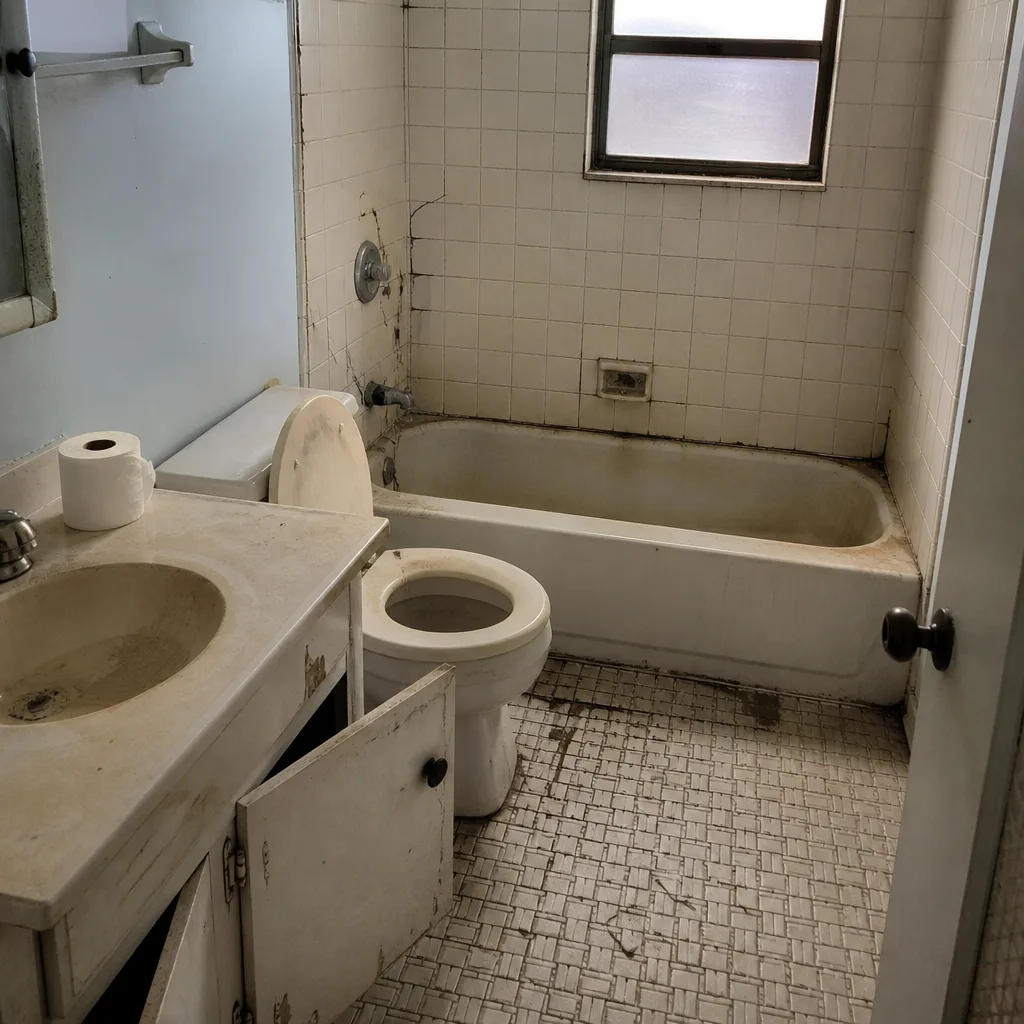 Before
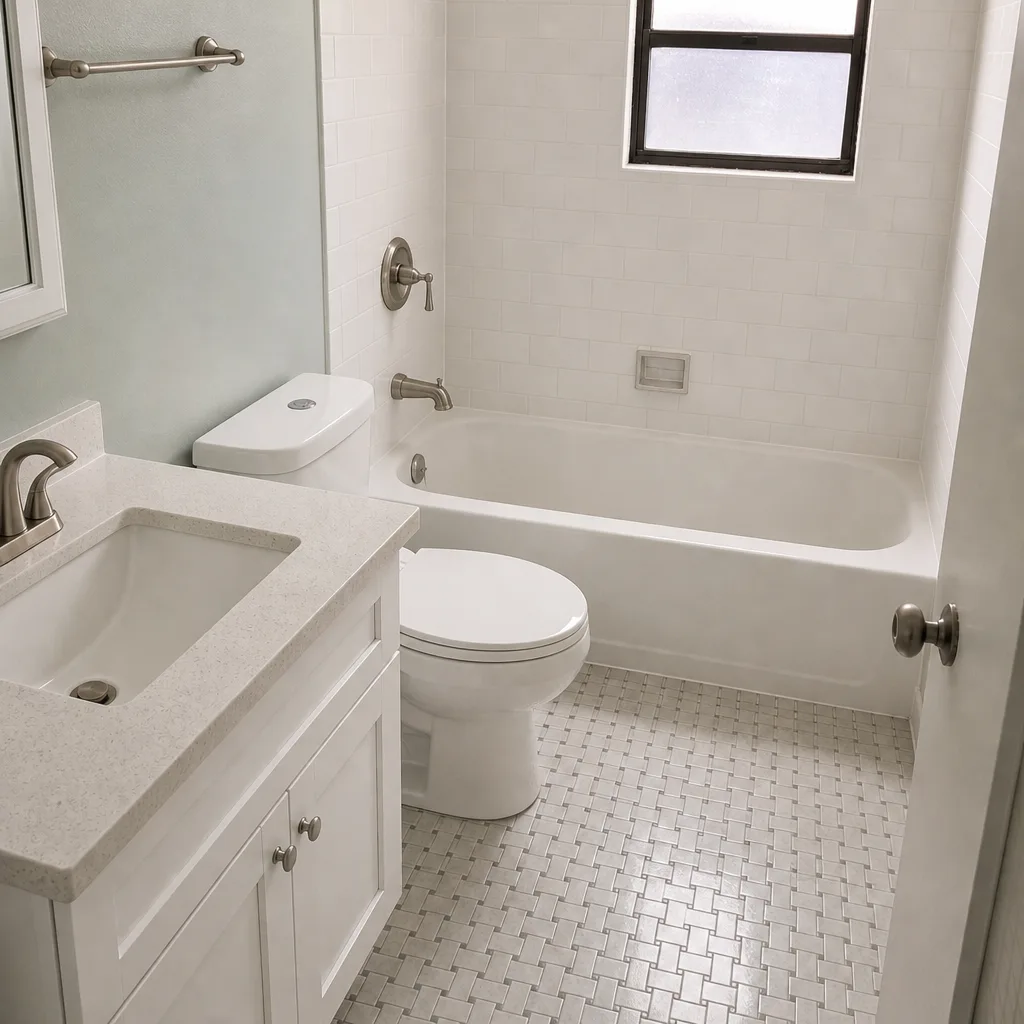 After
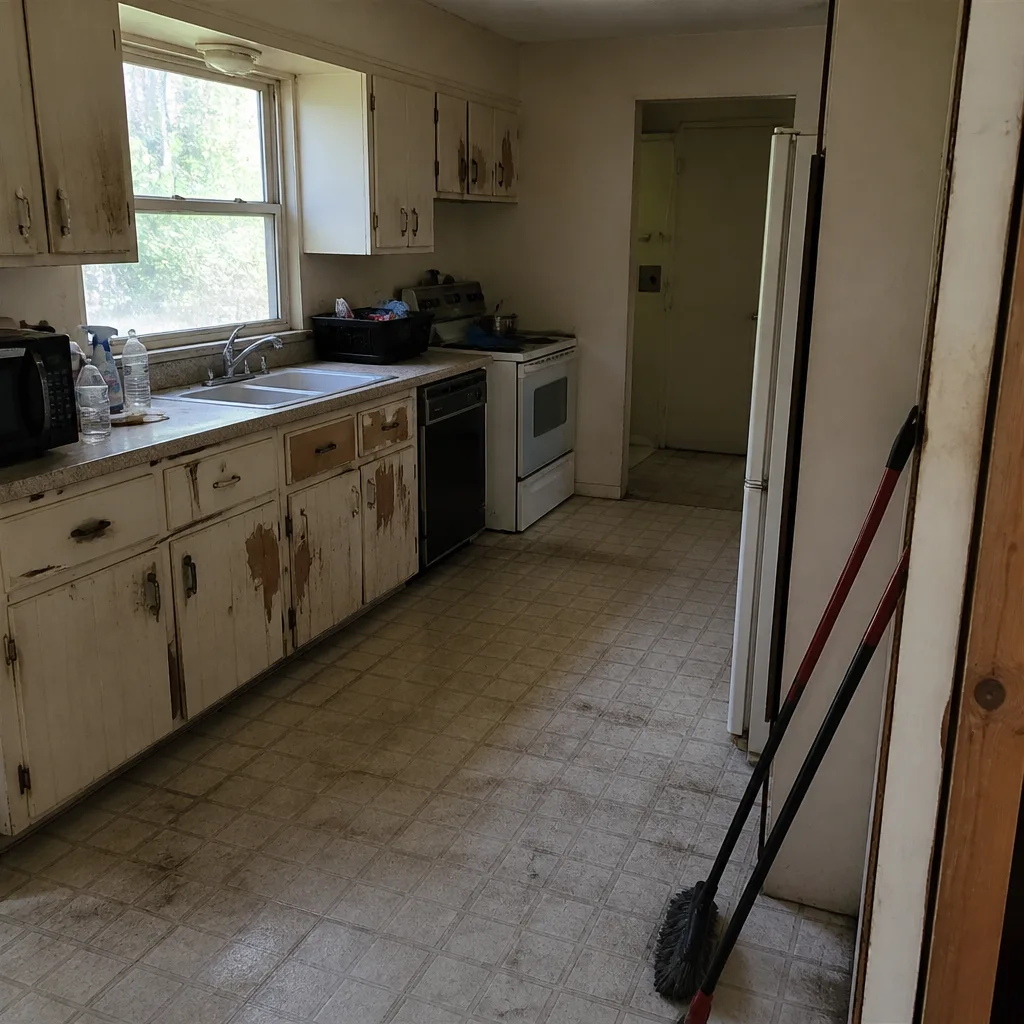 Before
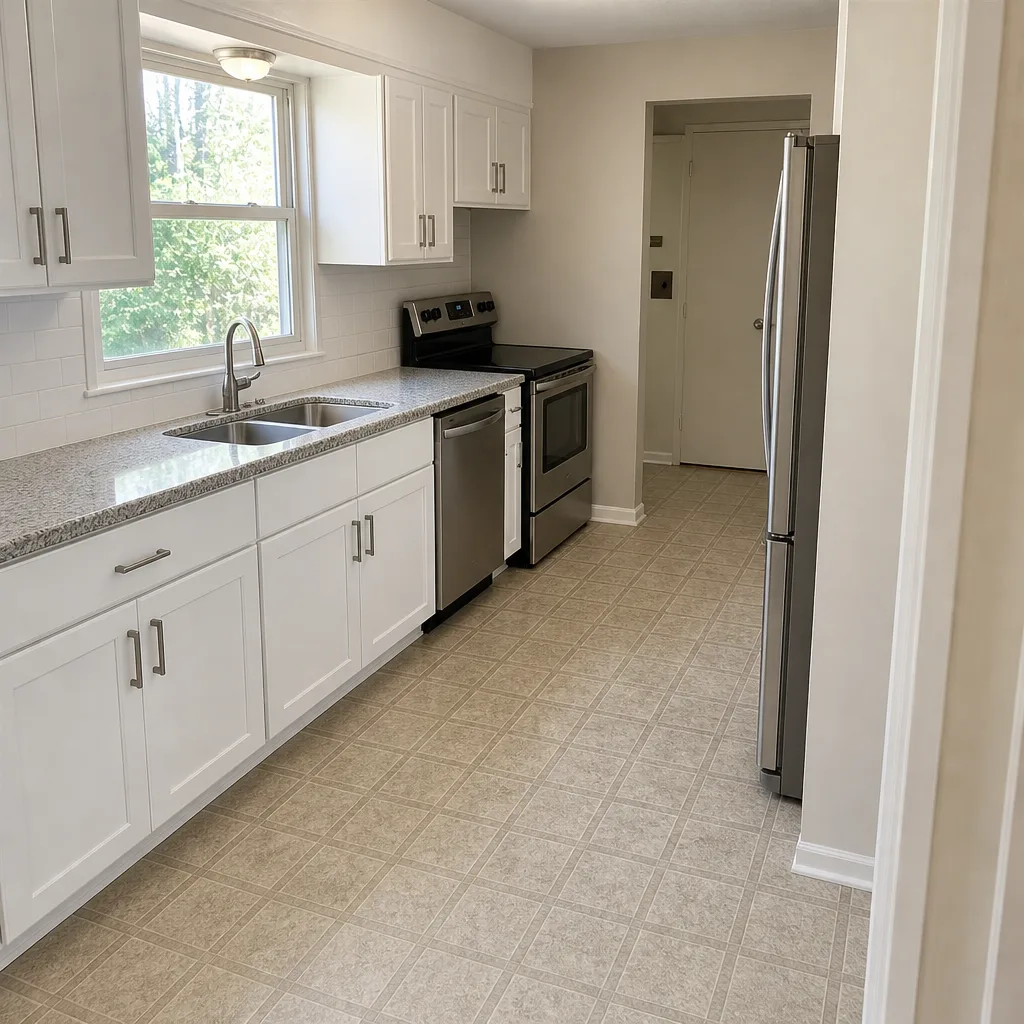 After
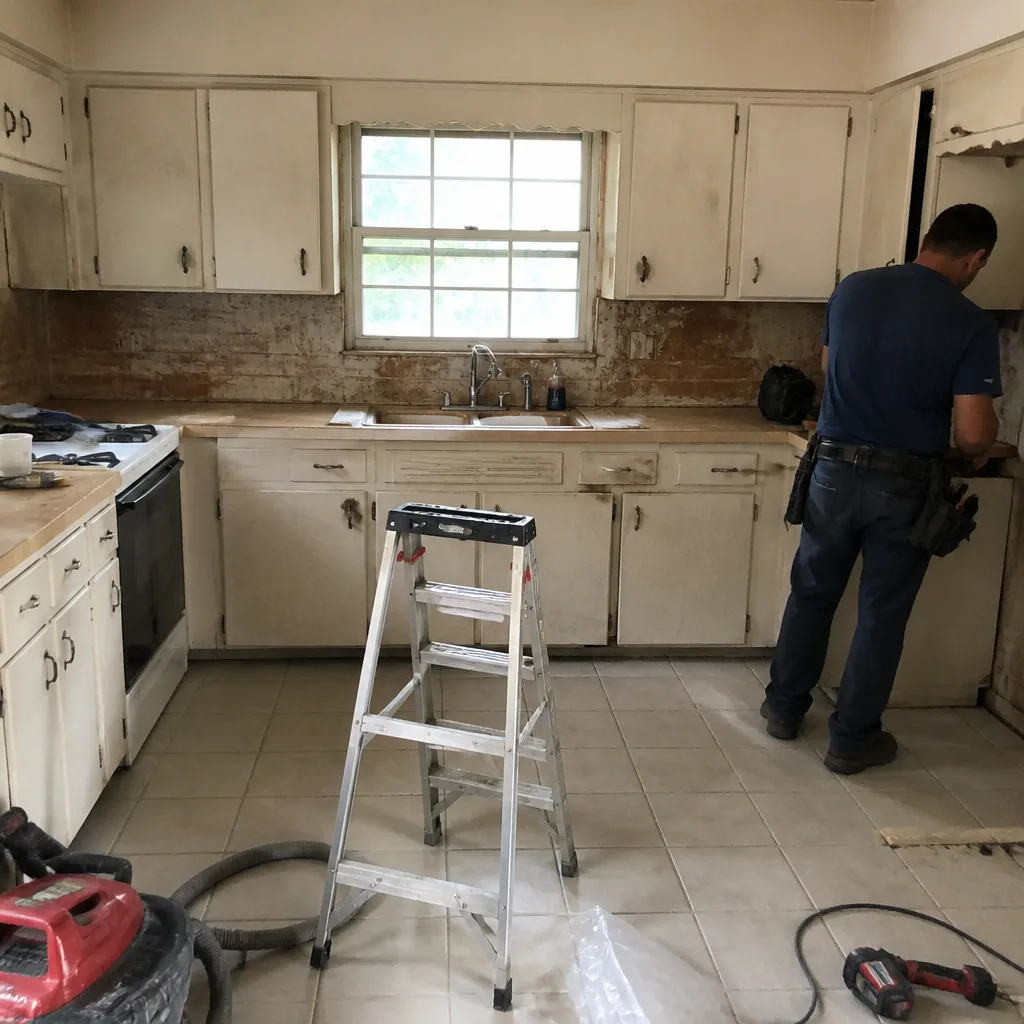 Before
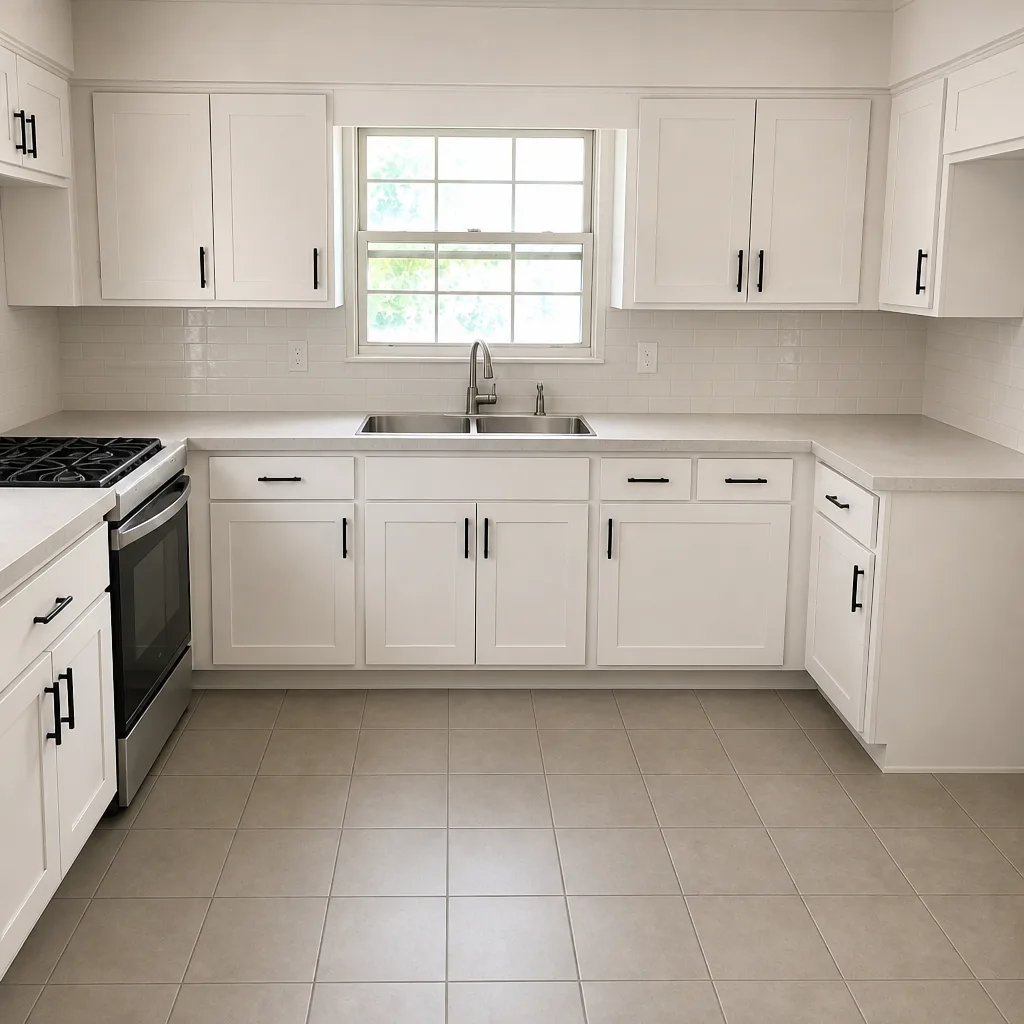 After
When to Call a Professional
Call a professional for anything involving roof access, structural repairs, window and door replacement, driveway resurfacing, fencing replacement or any coordinated project that touches more than one trade. Even in the monitoring season, a suspected water intrusion is worth a professional assessment before it becomes a larger repair – especially when the damage could be limited by early attention. For multi-trade projects, one scheduling point matters even more than it does for a single trade, because coordination is where most projects slip.
Westchester Construction Co offers free estimates in Westchester and works across seven service categories from driveways and fencing to additions, ADUs, roofing and remodels. Call (888) 334-0815. We answer 24/7. Fast dispatch from 7am to 7pm, Sunday through Friday.
Frequently Asked Questions
The single highest-value task is the pre-wet-season roof and gutter inspection – checking flashing, clearing gutters and downspouts, and re-sealing exterior caulk joints before the sustained rains start. On a typical Westchester home, a few hours of inspection and caulking in April prevents most of the water intrusion problems that show up in July. Book it into your calendar the same way you’d book an annual doctor’s visit.
You can, but it’s better to schedule it for the dry window from November through March. Installing a roofing system on a dry week lets the decking stay clean and lets sealants and underlayment cure properly; installing during the rainy months risks trapping moisture under the field. If a wet-season leak forces a mid-season replacement, an experienced roofer can sequence it around weather, but plan ahead for a dry-season install whenever you can.
Photograph everything before you touch it – the damaged fence, the fallen branch on the roof, the ceiling stain, the pooled water in the yard – and keep a dated record. Start a folder on your phone or email the photos to yourself with the date in the subject line. If you need an assessment from a professional before filing, note the date of the assessment too. Insurance claims depend on clear before-and-after documentation, and it takes almost no time to build if you start early.
Yes – sealant and paver installations need dry conditions to cure properly. Schedule them between November and March so sealant and joint sand have time to set before the wet season. A dry-season install on a new driveway in pavers from Belgard, Techo-Bloc or Unilock avoids the washout and settling problems that a wet-season install invites.
You can if the project is indoor-driven, but foundation and framing through the wet months means delays and higher risk of moisture in the structure. The practical sequence is: permits and materials ready in the fall, break ground in the dry window, and be weather-tight by June. Prefab systems can shift the timeline but not the principle. Our team plans ADU schedules around exactly that calendar.
Note the date, take a photo, and mark the spot with a piece of tape before doing anything else. Don’t attempt repairs on the roof in wet conditions. If the leak is active, place a bucket underneath, move valuables out of the affected area and call a professional. The photograph and date you took at the first sign of the leak is the single most useful thing you can give your contractor and your insurer.
Call (888) 334-0815 for an exact quote – estimates are free. We answer 24/7. Fast dispatch from 7am to 7pm, Sunday through Friday.
The Bottom Line
Westchester runs on two seasons, and the whole game is timing. April through May is your inspection and prep window – roof, gutters, caulk, grading – and it pays back more than any other month of the year. June through September is monitor-and-document season, not repair-season, and the photos you take pay off later if insurance enters the picture. November through March is when you actually build: exterior paint, driveways, fencing, roofing, windows, additions and ADUs. Line up permits and materials in the fall so you’re not waiting on paperwork when the weather cooperates. Do that and you spend less, repair less and finish projects on the timeline you planned. Call (888) 334-0815 for a free estimate – we answer 24/7, with fast dispatch from 7am to 7pm, Sunday through Friday.
Written by the team at Westchester Construction Co.