
Last updated November 17, 2026
 Kitchen remodeling
 Bathroom remodeling
 Home additions & ADU
 Roofing
 Windows & doors
 Driveway & pavers
 Fence
Free written scope consultation - allowances, timeline, and change-order rules on paper before a single trade is scheduled
How to Hire a Construction Contractor in Westchester: A Step-by-Step Guide
Most hiring advice stops at the handshake. Get three bids, read the reviews, check the license, sign the contract. That part matters, but it’s the easy part. The expensive mistakes usually happen after you’ve already picked someone you like: a scope line that says “standard grade” where it should name a product, an insurance certificate that leaves your project uncovered, a draw schedule that puts too much of your money in the contractor’s hands too early. We’ve watched homeowners in Westchester learn these lessons the hard way on projects that should have gone clean. This guide walks through the steps that come after the hire, the ones that decide whether a build stays on budget and on schedule. Westchester Construction Co works across seven trades, and the same discipline applies whether you’re resurfacing a driveway or building an ADU.
Quick Answer
To hire a construction contractor in Westchester, FL, verify the license and insurance first, then focus your energy on the contract itself: name every material by brand and model, demand a draw schedule tied to completed milestones, and confirm who actually performs each trade before you sign. The steps below cover what to check after you’ve found a contractor you trust, because that’s where projects are won or lost.
Styles & brands we work with
- Kitchen remodeling
- Bathroom remodeling
- Home additions & ADU
- Roofing
- Windows & doors
- Driveway & pavers
- Fence
Table of Contents
- Step 1: Verify the License and Insurance Before Anything Else
- Step 2: Read the Insurance Certificate and Ask for Additional Insured Status
- Step 3: Build a Scope of Work That Names Products, Not Grades
- Step 4: Understand What a Fair Draw Schedule Looks Like
- Step 5: Confirm Who Actually Does the Work
- Step 6: Set a Communication Structure Before Work Starts
- Step 7: Withhold Final Payment Until Documentation Is Complete
- Common Mistakes to Avoid
- When to Call a Professional
Step 1: Verify the License and Insurance Before Anything Else
In Florida, a contractor’s license number tells you they passed a test. It doesn’t tell you whether they carry the right liability limits for your project size, or whether their sub-trades are covered under their policy or carrying their own. That’s why license verification is only half of this step.
Start with the state database. Florida requires contractors to hold a state or local license depending on the scope and value of the work, and the license should be active with no complaints that concern you. Search by the license number on the contract, not the number on a business card. Those don’t always match.
Then ask for two documents: a certificate of insurance for general liability and a certificate for workers’ compensation. Look at three things on each:
- Coverage limits. A policy sized for handyman work looks small next to a full home addition. Match the limit to what you’re building, not to what the contractor happens to carry.
- Policy dates. The certificate must be current and stay current through your project. An expired certificate is the same as no certificate.
- Named insured. The company on the certificate should match the company on the contract, exactly.
Ask the contractor to have their insurer send certificates directly to you. A document that comes straight from the carrier is harder to alter than one handed over as a photocopy. When we quote a project in Westchester, we send the certificate alongside the estimate so you can review both at once and ask questions while the numbers are still fresh.
Step 2: Read the Insurance Certificate and Ask for Additional Insured Status
Additional insured status is a line on a contractor’s liability policy that extends their coverage to you, the homeowner, for claims arising from their work. It doesn’t replace your homeowner’s policy. It sits alongside it and gives your insurer someone to recover from when a claim is tied to the contractor’s operations.
Most homeowners never think to ask for it until after a problem. Here’s when it matters most:
- Structural work. Additions, ADUs, and anything that opens a wall or changes a load path raises the stakes on liability.
- Exterior work near property lines. Fencing, pavers, and roofing can affect neighbors, and neighbor claims go where the money is.
- Subcontracted trades. If a sub-trade causes damage and isn’t covered under the general contractor’s policy, you want your additional insured status working for you.
Ask for a certificate specifically naming you as additional insured before work begins. If the contractor hesitates, that’s information. A well-run company keeps an insurance agent who can produce the endorsement quickly. We treat it as a routine request, not a favor, and we can coordinate it with your project timeline so it’s not the day-before-mobilization scramble.
One more thing to confirm: whether the contractor’s workers’ compensation policy covers everyone on your job site, or whether some trades are expected to carry their own. If it’s the latter, you’ll want certificates from those trades too. The right answer depends on your project, but you should know which structure you’re getting before you sign.
Step 3: Build a Scope of Work That Names Products, Not Grades
The single most common source of change orders is a scope line that says “standard grade” or “builder’s choice” where it should name a product. If you can’t read the scope and know exactly what you’re getting, the contractor has room to substitute. Five items must be named by brand, model, or specification before you sign:
- Primary structure materials. For a roof, name the system: GAF, CertainTeed, Owens Corning, IKO, Atlas, or Tamko, with the specific product line. “Architectural shingles” alone is not enough, because brand tiers carry different warranties.
- Surfaces and finishes. For a kitchen, name the engineered stone: Cambria, Silestone, or Caesarstone, and specify the edge profile and thickness. “Quartz countertop” leaves you an open door.
- Fixtures and hardware. Kohler, Moen, Grohe, Delta, Toto, American Standard, and Blanco all make good products, but a spec that names only the finish leaves model selection open. Name the model.
- Windows and doors. PGT, CGI, ECO Window Systems, and ES Windows each carry product families with different performance ratings. Specify the series and the glass package.
- Exterior hardscape and fencing products. Belgard, Unilock, Tremron, and ActiveYards each publish product catalogs. Name the paver or fence style, not just the material type.
Write the scope the way you’d write a shopping list. You choose the brand; the contractor handles the build. That’s not a power move. It’s the simplest way to guarantee you get what you paid for. When we build a scope for a Westchester project, every line ends in a brand and model, and the written estimate locks the price against substitutions you didn’t approve.
Step 4: Understand What a Fair Draw Schedule Looks Like
A draw schedule is the pacing of payments against completed milestones. Get this wrong and you can end up funding a project that stalls with half the money spent and half the work done. The right structure depends on project size.
Projects under $50,000
- A small deposit to secure materials and scheduling is standard. It should be a defined amount, not a percentage of the whole job, and it should be documented in the contract.
- The bulk of payments should follow completed phases: demolition and rough-in, then finish work, then final walkthrough.
- Final payment should sit at 5 to 10 percent of the contract, held until you sign off on completion.
Projects over $100,000
- Draws should be tied to a schedule of values, which is a line-item list of every phase with its own price. Ask for it. A serious contractor already has one.
- Each draw releases after the phase is substantially complete, inspected if required, and photographed.
- Retainage of 5 to 10 percent should hold until final completion, including punch list items.
Here’s where upfront payment becomes a red flag. A request for half the project cost before any work has started is not standard, and it’s not a sign of confidence. A contractor working inside their cash flow asks for enough to cover the first phase and no more. If your project is unusually material-heavy, a large opening draw can make sense, but only if it’s itemized against actual purchase orders. Ask for that documentation.
The scope and the draw schedule should agree with each other. When we quote a Westchester project, the schedule of values maps directly to the brand-name items in the scope, so every payment releases against a deliverable you can see.
Step 5: Confirm Who Actually Does the Work
Most residential work happens through a mix of the general contractor’s own trade teams and independent sub-trades. Both structures can work well, but they behave differently when something goes wrong. A GC who directly controls their trades has fewer handoffs between trades, and every handoff is a place where scope can shift and change orders can grow.
Ask three questions before you sign:
- Which trades are in-house, and which are subbed? Write the answer into the contract. If the answer changes mid-project, you want documentation.
- Who is the project lead, and are they on site regularly? Get a role and a cadence, not a name. The answer should be a management structure, not a personality.
- What happens if a sub-trade’s work fails? The answer should be the contractor’s warranty, not a referral back to the sub.
This matters less for a single-trade job than for a multi-trade project. If you’re resurfacing a driveway and adding a patio, that’s one or two trades. If you’re building an home additions & ADU while replacing the roof and windows, that’s four or five trades with dependencies between them. A single contractor coordinating the whole scope delivers fewer change orders because the handoffs happen inside their own system.
This is where a full-scope residential contractor earns their fee. Westchester Construction Co handles driveways and pavers, fencing, additions and ADUs, bathrooms, windows and doors, roofing, and kitchens, which means the sequencing between trades is managed by the same company that signs the contract. That’s a real advantage when a project touches the exterior and the interior at the same time, like a roof replacement and a kitchen remodel running together.
Step 6: Set a Communication Structure Before Work Starts
Communication breakdowns account for a huge share of contractor disputes, and almost all of them are preventable by agreeing on a rhythm before the first nail is driven. Here’s the structure to ask for:
- A weekly written update. One email or message per week covering what was completed, what’s scheduled next, and anything that needs a decision from you. Verbal-only updates leave you without a paper trail.
- Photographs at phase completion. Before each draw is released, you should have photos of the completed work, including anything that will be covered by later phases, like rough-in or framing.
- A single point of contact. You should have one person to talk to, and they should know the whole project, not just one trade.
- A defined change-order process. Any change to scope, price, or schedule should come as a written document with your signature before the work happens. No verbal changes, ever.
- A punch list before final payment. The punch list is your last chance to catch small items. Document it in writing and hold final payment until every line is closed.
Ask the contractor what their standard cadence looks like. A serious one has an answer ready. If the answer is “we’ll keep you posted,” keep asking questions. When you hire Westchester Construction Co for a Westchester project, the update cadence and the change-order process are part of the contract, so the structure exists independent of who’s managing your project on any given week.
Step 7: Withhold Final Payment Until Documentation Is Complete
Final payment is your leverage, and it should stay in your hands until a specific list of items is closed. Before you release it, collect:
- Signed lien releases from the contractor and any sub-trades. This is the most important document you’ll get at the end of a project. It confirms no one can file a lien against your property for work on your job.
- Manufacturer warranty registration. Roofing warranties from GAF, CertainTeed, Owens Corning, and others often require registration after installation. Confirm the registration is complete and that you have the certificate in your files.
- Any inspections passed and documented. If your project required permitting, you should have the signed-off inspection cards or reports.
- Warranty documents in writing. What’s covered, for how long, and what voids it. Get the specific terms, not a verbal promise.
- Final lien waivers. Separate from the releases above, these confirm everyone has been paid in full through completion.
None of this is unusual, and a well-organized contractor will hand it to you without being asked. If getting these documents requires multiple reminders, that’s a sign about how the project was managed throughout. Use the documents as a checklist, not a negotiation. The final payment releases when the checklist is complete, and no earlier.
Common Mistakes to Avoid
- Accepting a scope that names grades instead of brands. “Standard grade” is a placeholder that lets the contractor substitute products after you’ve signed. Insist on product names and model numbers on every line that matters.
- Paying a large deposit before work begins. A defined materials deposit is normal. A request for 20 to 50 percent of the total up front, before mobilization, is not. It leaves you exposed if the project slows.
- Skipping additional insured status. A certificate of insurance alone doesn’t protect your project if a claim arises. Name yourself as additional insured before work starts.
- Taking a verbal change order. Even a small shift in scope, like a different paver color from the Belgard line or a substitute window series, should come as a written change order with a price and a schedule impact.
- Not asking who the subs are. A contractor’s management capability is only as good as their relationships with their trades. If they can’t tell you who’s doing the wiring, that’s a gap.
- Releasing final payment before lien releases arrive. A lien filed against your property after final payment is a headache you can avoid by holding the check until the paperwork is done.
- Forgetting the manufacturer registrations. Roofing and window warranties often require registration within a set window. Skip it and you may have a warranty on paper that doesn’t work when you need it.
When to Call a Professional
Some projects are worth doing yourself. Most Westchester residential work isn’t. Call a professional contractor when the job touches structure, when it requires permits, when it involves electrical or gas, or when multiple trades have to work in sequence. Roofing, window replacement, home additions, ADU construction, and any remodel that moves walls fall into that category. Exterior work like a driveway or a fence is sometimes DIY-friendly on a small scale, but a full driveway replacement or a property-line fence with a permit requirement is a different project. If you’re pricing out more than one of these at a time, coordinating the sequence is its own skill. Westchester Construction Co offers free estimates across Westchester, and we’re set up to handle everything from driveway & pavers to a full kitchen remodel under one contract. Call (888) 334-0815 to talk through your project.
See the difference
 Before
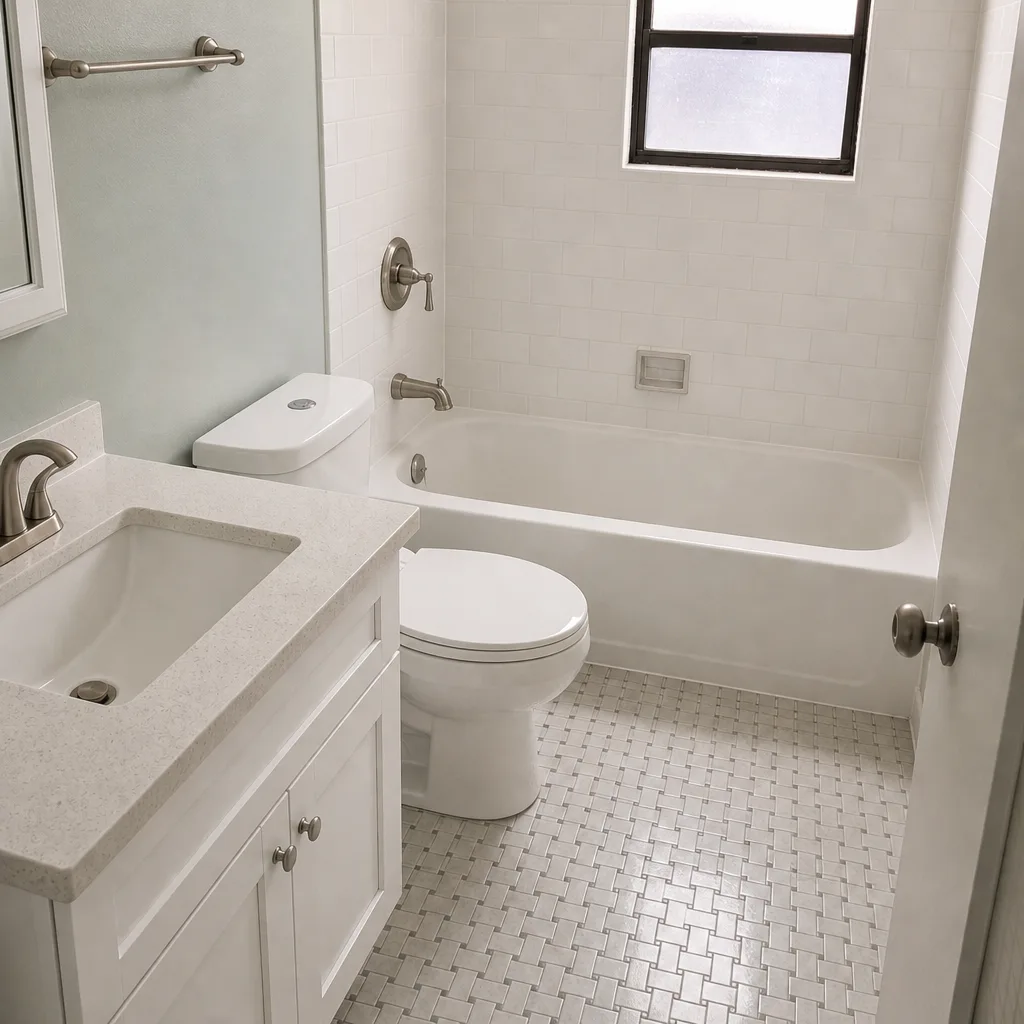 After
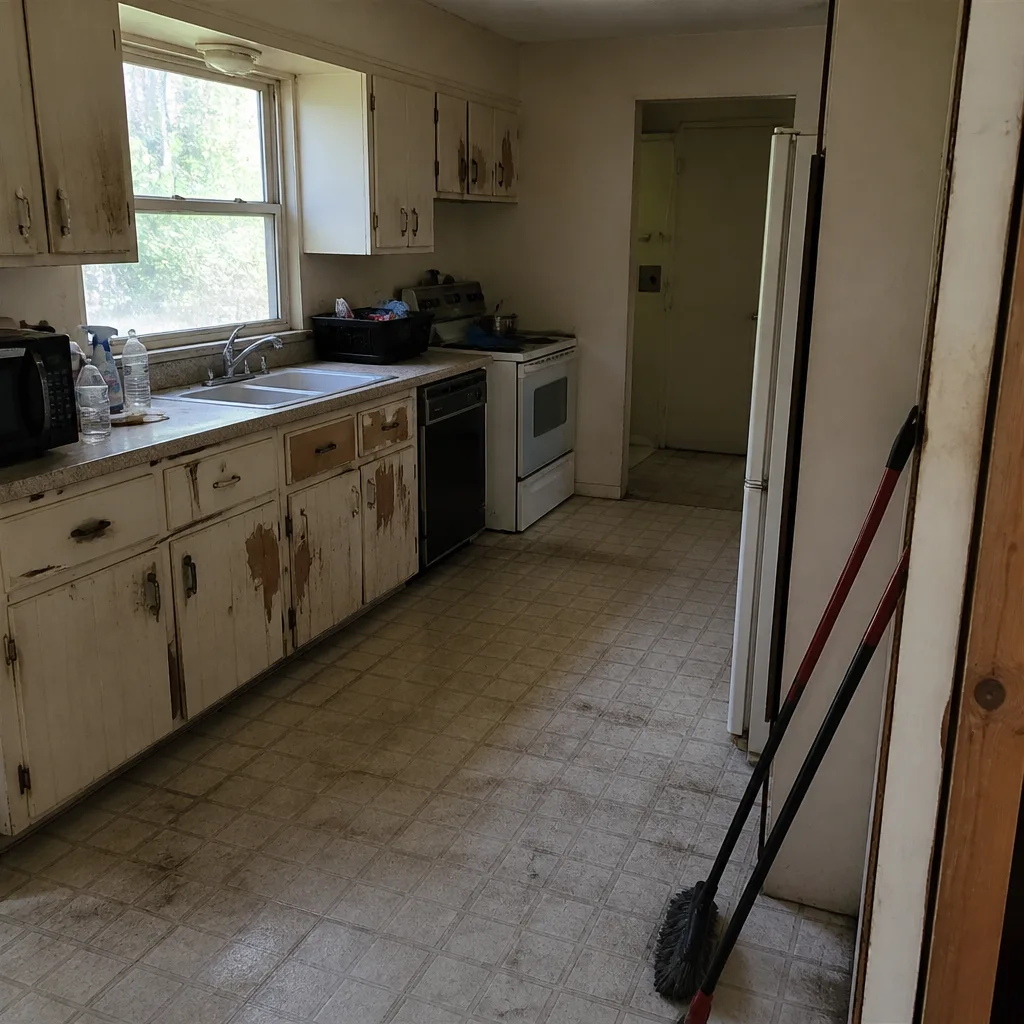 Before
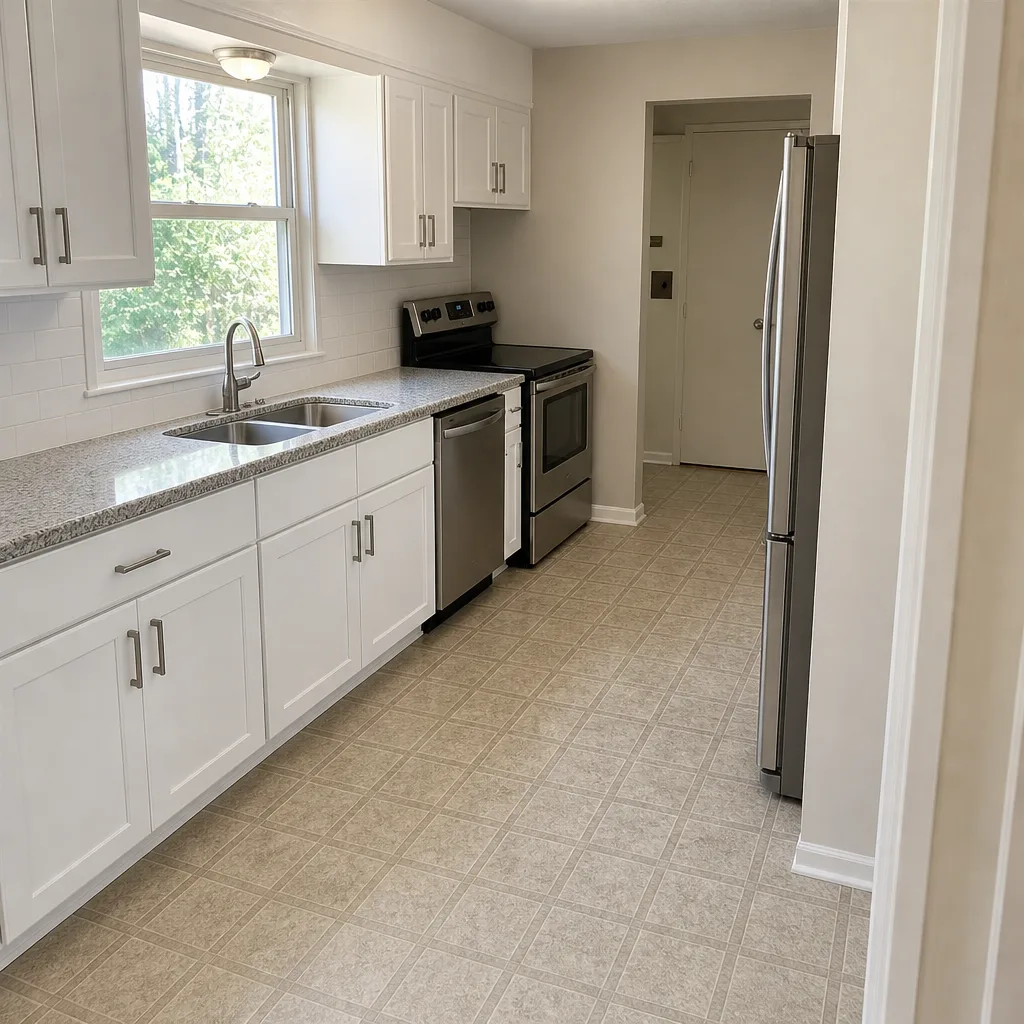 After
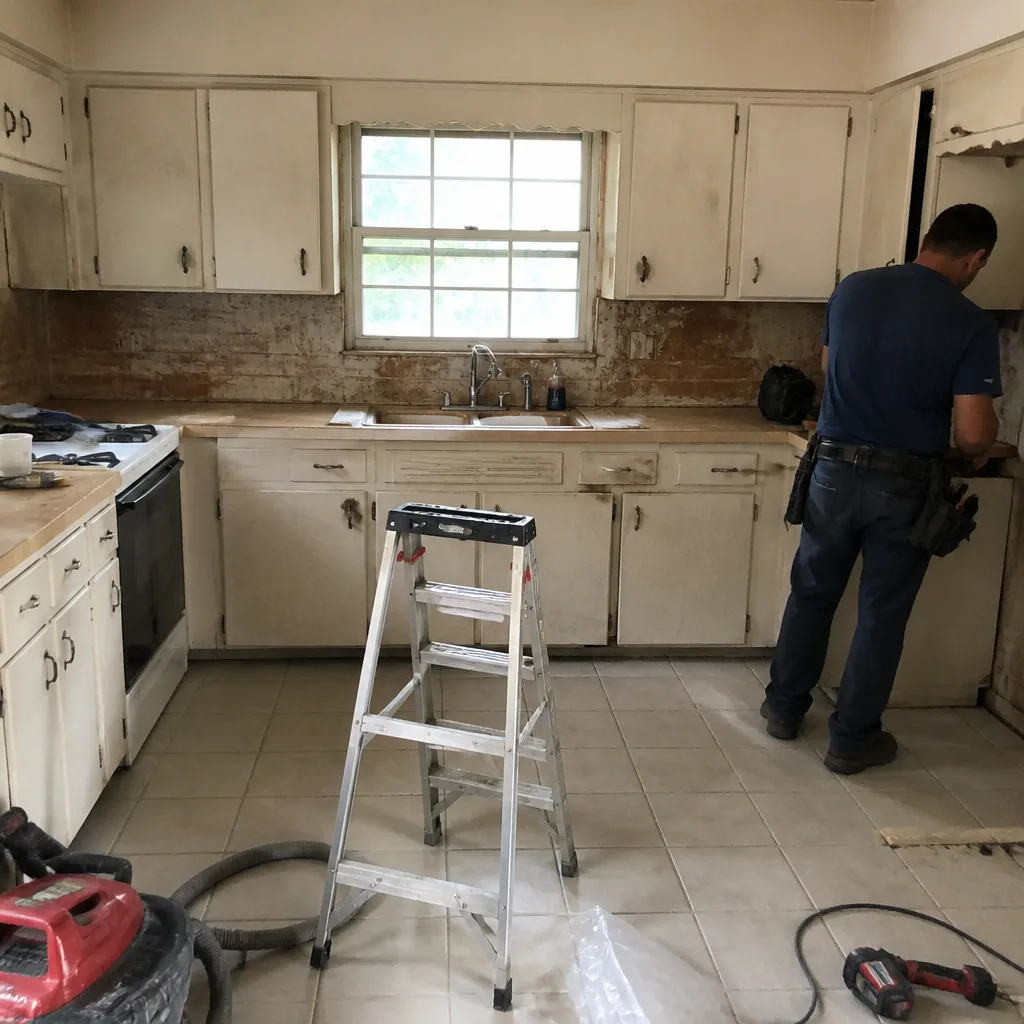 Before
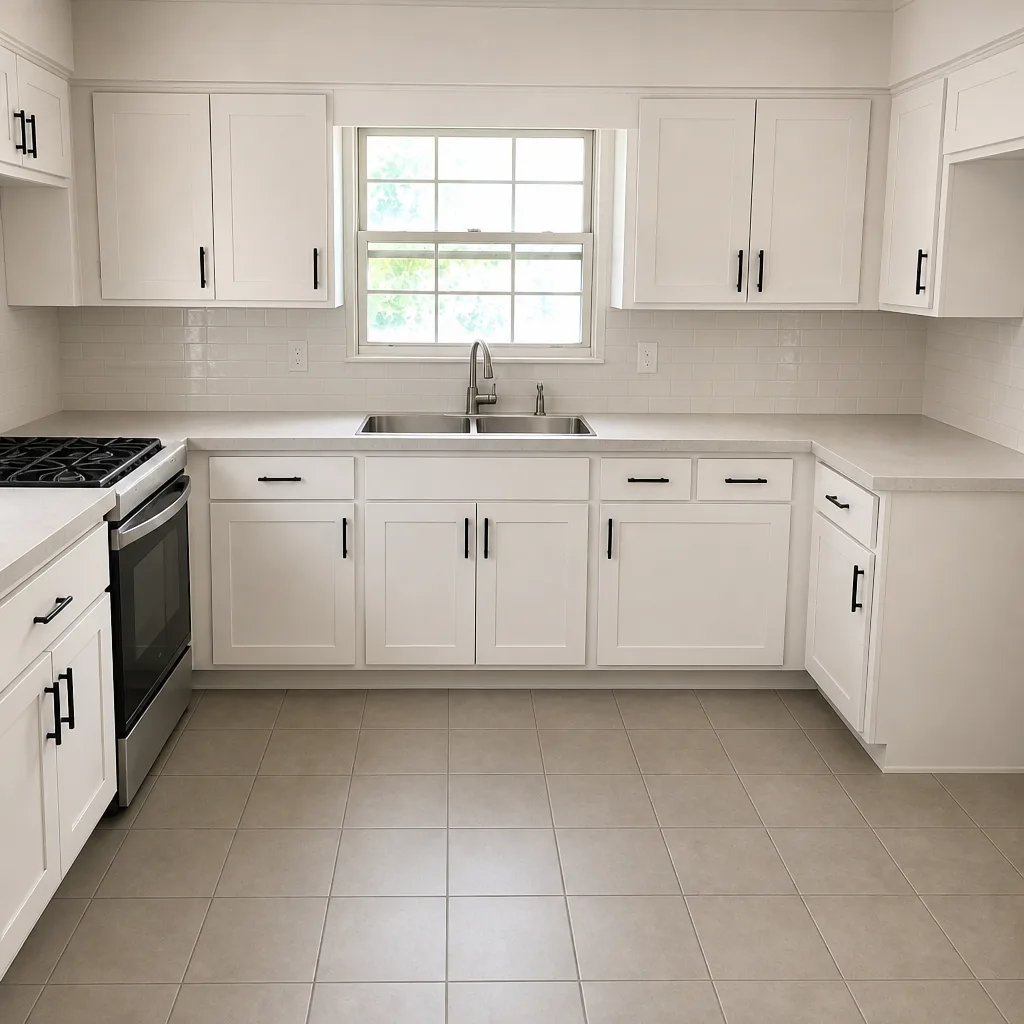 After
Frequently Asked Questions
You verify a Florida contractor’s license through the state licensing database using the exact license number that appears on your contract. Confirm the license is active, matches the name on the contract, and hasn’t been revoked. Then move on to insurance, because the license only confirms testing, not coverage. For a project of any size, ask for certificates of insurance directly from the insurer. Call (888) 334-0815 to schedule a free estimate with Westchester Construction Co and review the documents together.
Additional insured status is an endorsement that extends a contractor’s liability policy to include you, the homeowner, for claims related to their work. It’s worth asking for on any project where liability exposure is meaningful, which includes home additions, ADUs, roofing, and any work near property lines. You don’t strictly need it for a small paint job, but for a project over six figures it should be automatic. Ask for the endorsement in writing before work starts. Estimates from Westchester Construction Co are free, and the insurance conversation happens alongside pricing.
A well-written scope of work names the five primary material categories by brand and model: structure materials (roofing system, framing), surfaces (countertops, tile), fixtures (plumbing, hardware), windows and doors (series and glass package), and exterior products (pavers, fencing). It should also specify quantities, allowances if any, and the assumption about site conditions. Anything less gives the contractor room to substitute. Our estimates name every material category in your scope, which makes the comparison against competing bids straightforward. Call (888) 334-0815 for a free estimate.
A deposit on a residential project should cover the first phase’s materials and mobilization, not a large share of the total project value. For most projects, that means a defined amount rather than a percentage, and the amount should be documented against specific purchase orders. Projects over $100,000 typically run on a draw schedule tied to a schedule of values, with 5 to 10 percent retainage until final completion. If a contractor asks for 30 percent or more before mobilization, get another bid. Westchester Construction Co prices projects per job with a written line-item estimate, so the deposit is tied to actual materials.
For a single-trade job like a fence replacement, hiring the trade directly can work. For any project that touches more than one trade or requires structural work, a general contractor managing the sequence usually saves money and time. The trade-off is coordination cost: a GC’s fee has to be earned by managing handoffs, permits, and inspections. When the GC has the trades in-house, that calculation tips in their favor because change orders from trade handoffs are less likely. Westchester Construction Co handles fence installation, roofing, windows, ADUs, kitchens, and bathrooms as one coordinated scope. Call (888) 334-0815 for a free estimate.
Before final payment, collect signed lien releases from the contractor and every sub-trade, manufacturer warranty registrations for products that require them, signed-off permit inspections, written warranty terms, and final lien waivers confirming everyone was paid. These documents protect your title and your coverage. No release of payment without them, no exceptions. When you work with Westchester Construction Co, the documentation package is part of the completion process, so nothing is an afterthought. Call (888) 334-0815 to get started on a free estimate.
The Bottom Line
The steps that decide whether a construction project in Westchester goes smoothly happen after the hire, not before it. Verify the license and insurance, ask for additional insured status, and write a scope that names every material by brand and model. Structure your draw schedule against completed milestones, hold final payment until the paperwork is complete, and agree on a communication cadence before the first work begins. Those five habits prevent the change orders and disputes that turn good projects into expensive ones. Whether you’re pricing a single trade or planning a project that touches the exterior and the interior at once, one contractor with the full scope of trades is simpler to manage. Westchester Construction Co works with name-brand products across every category, from ActiveYards fencing and Belgard pavers to GAF roofing and Cambria countertops. See the full line of services at Westchester Construction Co, and when you’re ready to price your project, call (888) 334-0815 for a free estimate. We answer 24/7, with fast dispatch from 7am to 7pm, Sunday through Friday.
Written by the team at Westchester Construction Co.